



by Rosa Parra
My most anticipated film at Sundance Film Festival 2026 is the first in-person screening of American Pachuco: The Legend of Luis Valdez. I had the great chance to attend the documentary’s premiere, where the cast was also present. The screening was followed by a brief Q&A session. Afterwards, I went to a Mexican restaurant for some much-needed Mexican food and unexpectedly sat next to the cast and crew of the documentary. It turned out to be a perfect day.
Edward James Olmos gained fame through his role as El Pachuco in Luis Valdez’s play and film Zoot Suit. Valdez revolutionized theater and cinema as the first Chicano to stage a play about the Chicano experience, later turning it into a film. He’s not just the quintessential American Pachuco but also the godfather of Chicano cinema. His work laid the groundwork for future Chicano films following Zoot Suit and La Bamba. Long before Lin-Manuel Miranda, Luis Valdez was a pioneering figure.
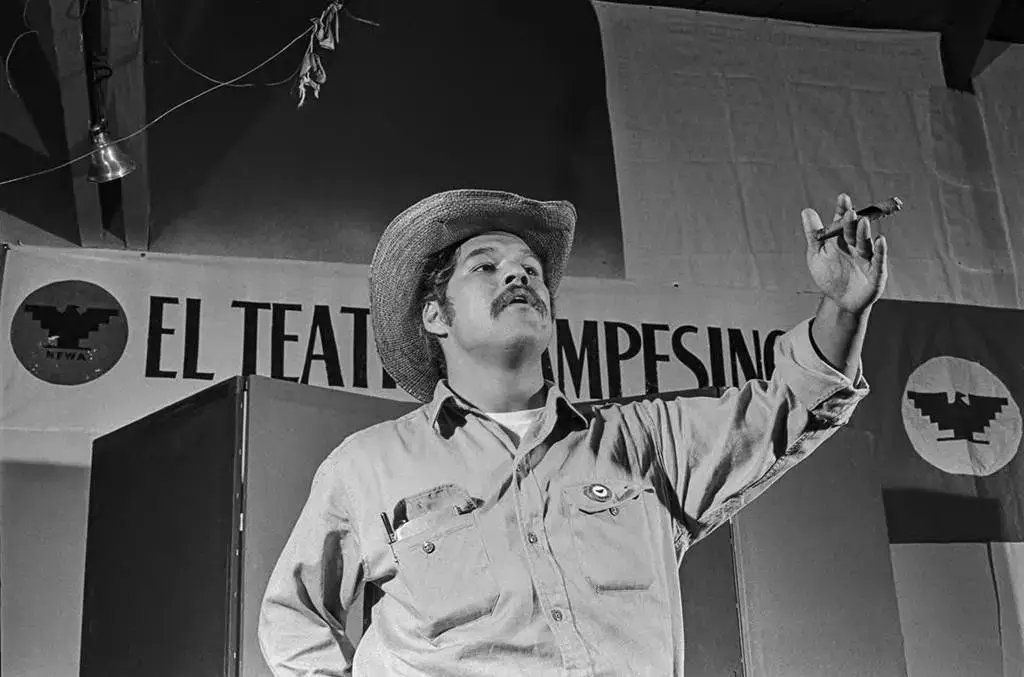
I was somewhat familiar with Luis Valdez and his role in the Chicano community as a film director and playwright. However, this documentary revealed the wider influence he has had beyond the arts. Valdez, raised as the son of farm workers, collaborated closely with Cesar Chavez during strikes advocating for higher wages and better living conditions for laborers.
American Pachuco: The Legend of Luis Valdez, directed by David Alvarado and narrated by Edward James Olmos in his iconic El Pachuco persona, includes interviews with notable figures such as Luis Valdez, Edward James Olmos, Lou Diamond Phillips, Dolores Huerta, Cheech Marin, Linda Ronstadt, Sal Lopez, and others. The documentary covers Valdez’s life, from his childhood and activism as a farm worker to his work in theater and film, ending with his honor of receiving the National Medal of Arts for his efforts in highlighting Chicano stories.
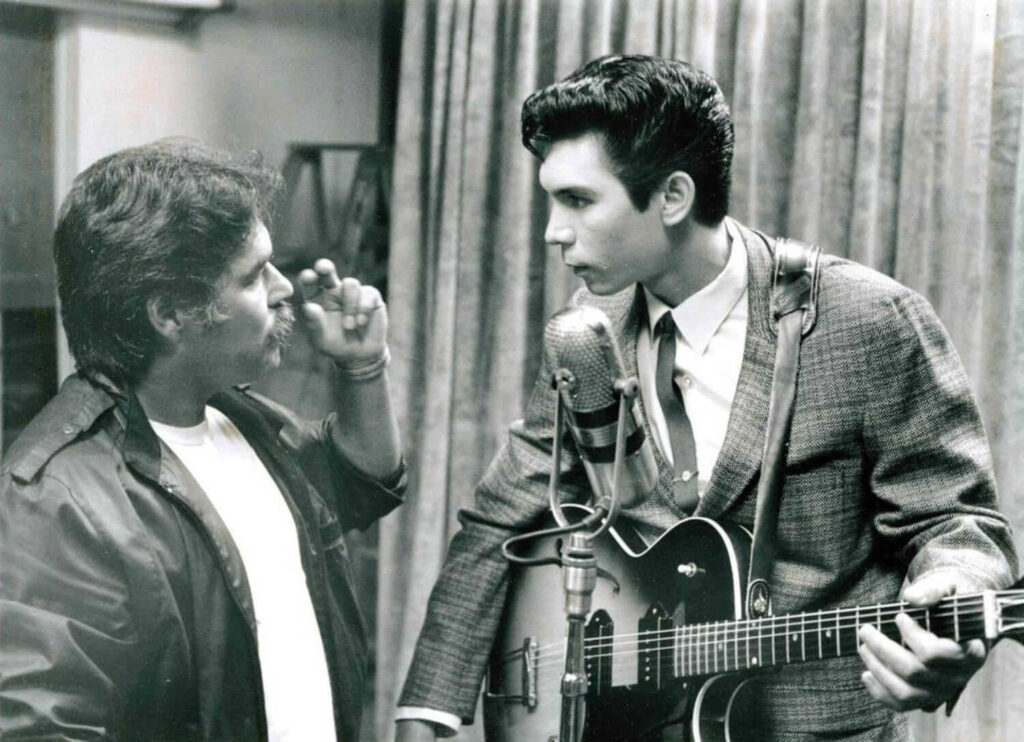
A particularly moving part was learning about his bond with his older brother, Frank. Luis and Frank, being the oldest two among ten siblings, had a significant influence on each other’s lives. Their relationship notably impacted Luis’s acting career, especially in the film La Bamba. Originally, both had planned to become engineers to support their family, but Luis eventually chose to pursue his passion for the arts. This choice created the first rift in their relationship, which grew larger over the years.
Luis stayed true to himself by honoring and celebrating his heritage, whereas Frank decided to assimilate into a society that frequently overlooked his efforts and treated him differently. Eventually, they lost touch until years later, when they reunited and recorded that moment on video.
Previously, I might have responded negatively to a fellow Latino adopting “American” culture by abandoning their ethnic name, background, and physical features. However, I now realize that such decisions can be driven by the need to survive in a society that frequently judges those who do not conform to the norm.
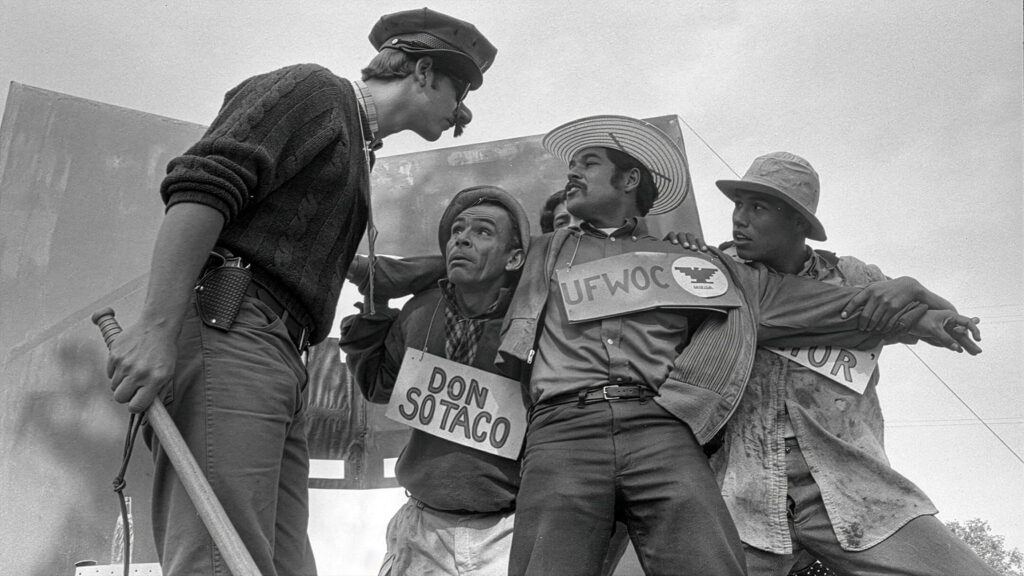
Growing up in East L.A. and attending local schools might lead one to believe I was familiar with the Sleepy Lagoon trial and subsequent riots. However, I was unaware of this key historical event until I saw Luis Valdez’s film. This highlights the importance of Chicano filmmakers sharing our stories; without them, future generations could remain unaware of such pivotal moments.
The Zoot Suit riots* involved mainly white police officers and Navy personnel attacking Mexican Americans dressed in Zoot Suits. This historical event prompts discussions about current issues like ICE’s actions. Many young Mexican American men during the 1943 riots experienced profiling and violence, with some being stripped of their clothing and left in their underwear.
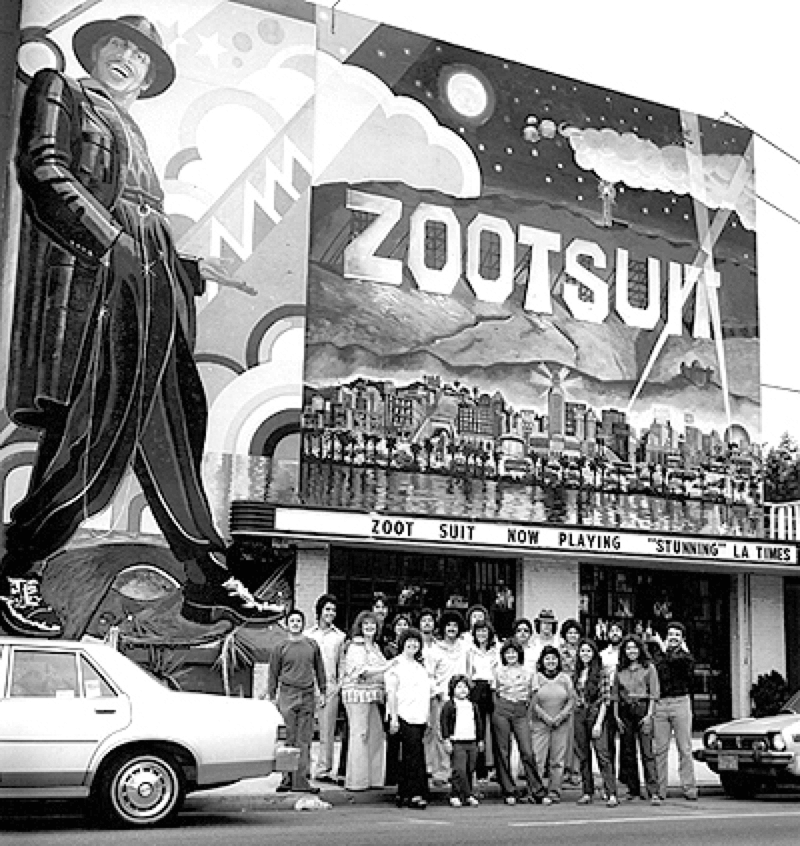
Luis Valdez compellingly portrayed this imagery in his play, using the image of a Mexican American stripped of clothing as a symbol of how Chicanos are marginalized and robbed of their identity. Despite frequent attacks on our community, we continue to show resilience.
The film explores Luis Valdez’s challenges with disrespect in theater and filmmaking, highlighting his perseverance as a Chicano. It offers valuable insights into the casting choices for his plays and films. This documentary is a must-watch for its extensive archival footage and its educational perspective on the roots of Chicano theater and cinema.
Overall, American Pachuco: The Legend of Luis Valdez is a daring Chicano documentary that explores the life of a director who is considered the godfather of Chicano cinema. Narrated by an influential figure in Chicano film, Valdez’s primary goal has always been to tell Chicano stories from his point of view. This documentary is essential viewing.
Rating: 9/10
*During the 1940s, the press played a pivotal role in sensationalizing the zoot suit and its wearers, contributing directly to the racial violence known as the Zoot Suit Riots in 1943. Newspapers used inflammatory language and biased narratives to frame Mexican American, African American, and Filipino youth as dangerous criminals and unpatriotic subversives.
The press sensationalized the zoot suit through several specific strategies:
- Criminal Branding: Media outlets like the Los Angeles Times and the Herald Express portrayed zoot suiters as “hoodlums,” “thugs,” and “gangsters.” This narrative peaked during the Sleepy Lagoon murder trial of 1942, where the press characterized the defendants’ clothing as evidence of a “Mexican crime wave.”
- Wartime Unpatriotism: During World War II, the U.S. War Production Board restricted fabric use for the war effort. The press framed the oversized, fabric-heavy zoot suits as a deliberate act of unpatriotism and waste, even labeling wearers as “draft dodgers.”
- Encouraging Vigilantism: When white servicemen began attacking zoot suiters in June 1943, many newspapers praised the violence. The Oakland Tribune described a mob as a “vengeance squad” cleaning up the city, while other reports hailed the attacks as an act of “cleansing.”
- One-Sided Reporting: Journalists frequently ignored or minimized the aggression of white sailors and soldiers, instead focusing on the “menace” of the youth they targeted. This created a public climate where violence against marginalized communities was excused or encouraged.
- Counter-Narratives: While the mainstream press was largely hostile, the African American weekly The California Eagle, edited by Charlotta Bass, defended the victims and blasted the mainstream media for its “race-baiting.” First Lady Eleanor Roosevelt also publicly criticized the press’s role, stating the riots were caused by long-standing racial issues, though the Los Angeles Times responded by accusing her of stirring discord.