




by D. Movieman
“But way before the record deals
Streets that nurtured Lauryn Hill
Made sure that I’d never go too far.
Every ghetto, every city
And suburban place I been
Make me recall my days in New Jerusalem.”
— Lauryn Hill, “Every Ghetto, Every City” (The Miseducation of Lauryn Hill)
When released in 1998, Lauryn Hill’s The Miseducation of Lauryn Hill immediately took the music world by storm. Universally acclaimed and heavily awarded (including a Grammy for Album of the Year), it’s an album that continues to remain present in the zeitgeist of black culture and musicianship nearly 30 years after its debut. However, beyond its accolades, there is a sense of honesty, authenticity, and celebration that permeates the music and always resonated with me as a young child in the late 90s. The track “Every Ghetto, Every City” in particular is one that spoke to the richness of childhood experiences, urban life, and hometown. Who would understand that more than me? Though my Midwestern years largely belong to the 1990s and early 2000s, my love for my hometowns—Gary, Indiana, and Chicago, Illinois—endures to this day.
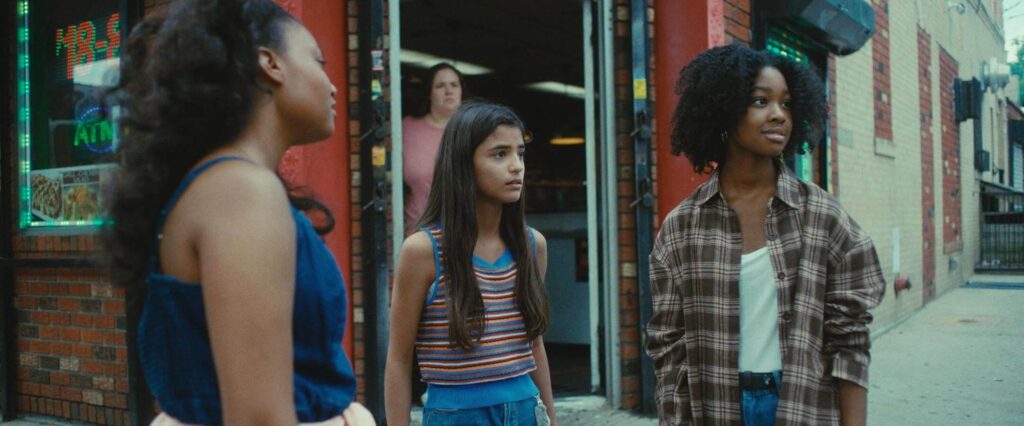
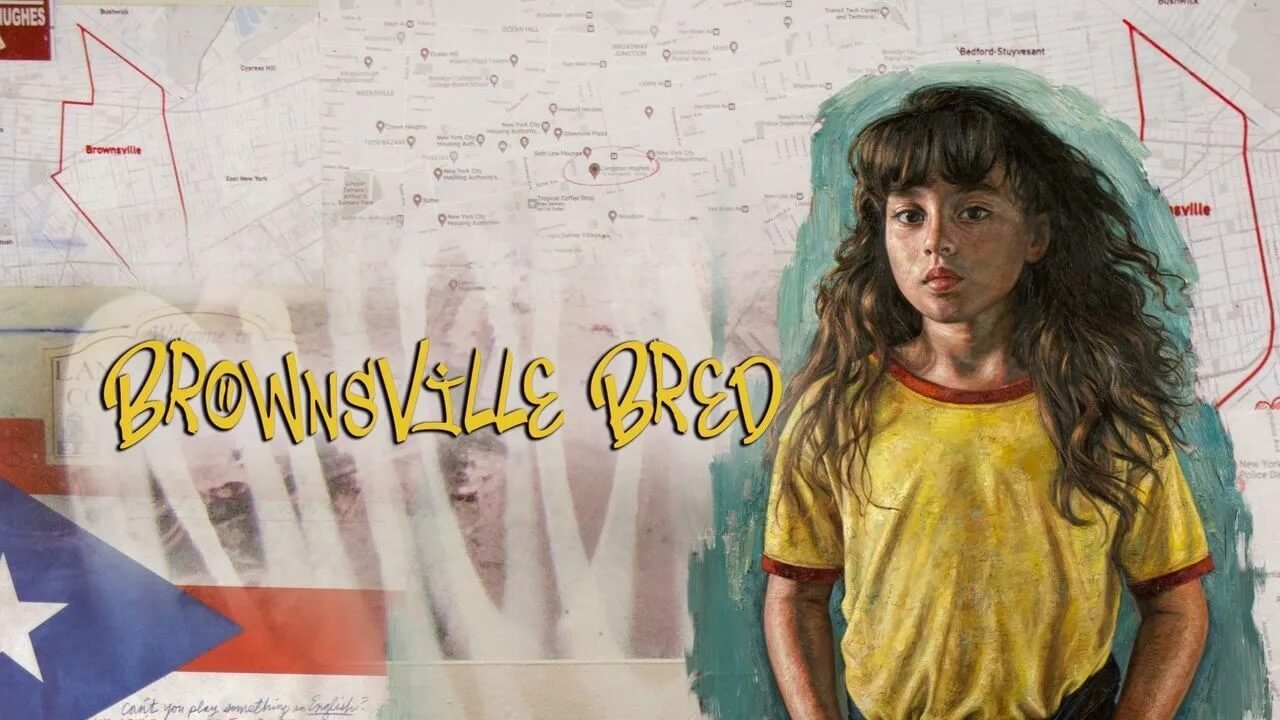
That sense of enduring attachment to home lies at the heart of Brownsville Bred. Written and directed by Elaine Del Valle, the film is an adaptation of her semi-autobiographical stage play and novel. It traces Elaine’s childhood and teenage years as she navigates a fractured relationship with her father, an uneasy distance from her mother, and a neighborhood steadily eroded by crime and poverty. Speaking with the Latino Film Institute, Del Valle expressed wanting her films to inspire compassion and connection, urging audiences to recognize pieces of themselves in stories shaped by different cultures or circumstances. For her, cinema is an act of transformation—a way of reframing struggle as something that can ultimately make us whole. That desire for connection is embodied in the film’s portrayal of Elaine, whose emotional depth elevate the story beyond “a series of unfortunate events.”
Elaine’s journey is shared between Summer Rose Castillo, who portrays her as an idealistic child, and Nathalia Lares, who inhabits her teenage years with growing resentment and disillusionment. Although Nathalia’s portrayal is afforded more dramatic weight and emotional conflict, both performances demonstrate remarkable control and depth. I found myself smiling watching Summer Rose open the film with a charming and quirky monologue. It immediately set the tone for me as an introduction of warmth and intimacy, even as the film ventures into more challenging emotional territory. While the supporting performances aren’t afforded much room to fully develop, they remain effective within the film’s constraints. Notably, Javier Muñoz stands out as Manny, Elaine’s father, delivering a performance of quiet authority and emotional grounding.
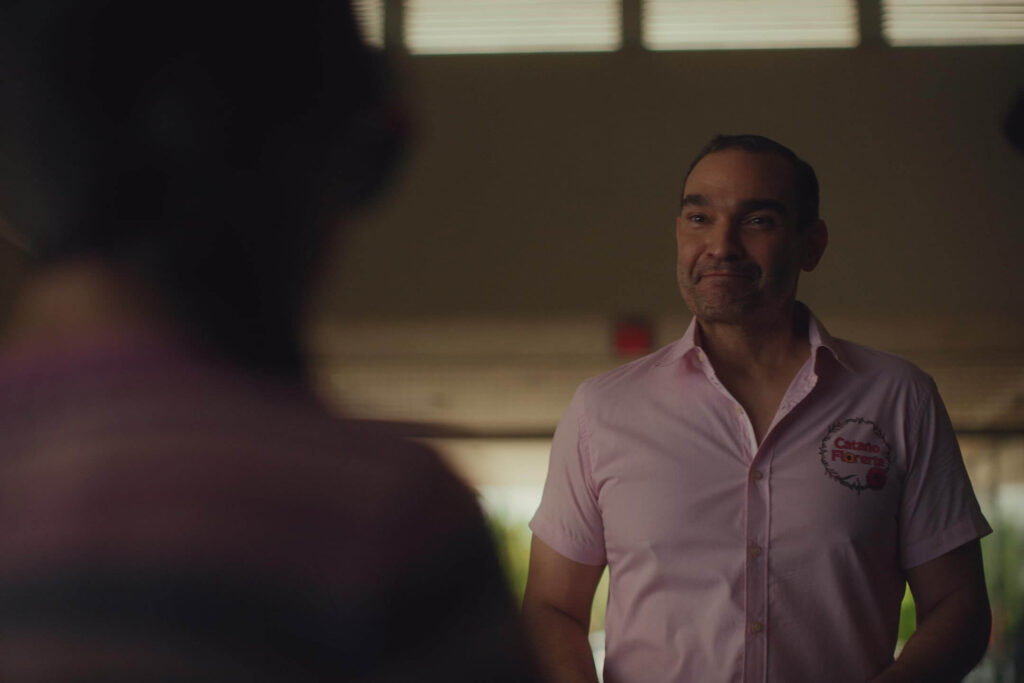
The core of the film centers around Elaine’s disenchanted relationship with Manny. Salsa music becomes an early language of intimacy between Elaine and her father, wherein she finds his singing a source of joy, comfort, and connection. Tragically, when the weight of his hidden life surfaces, Elaine is left struggling to reconcile the man she loved with the choices that have permanently fractured her family. Conversely, her reluctant visit to Manny in Puerto Rico later in the film provides a welcome tonal shift, marked by quirky charm. I also understood its function as a necessary step in Elaine’s self-discovery—leaning into her Puerto Rican identity while simultaneously reframing her understanding of her father. It also lays the groundwork for a reckoning between the two that brought an unexpected tear to my eye.
While Brownsville Bred effectively gives voice to its central emotional arc, it also struggles to extend similar depth to its supporting elements. While a significant portion of the screenplay explores Elaine’s detachment from Manny, it affords far less attention to her mother or siblings, leaving the far-reaching consequences of his absence largely unexplored. It also provides a missed opportunity to deepen Elaine’s characterization through these familial bonds. Furthermore, despite the narrative emphasis on Elaine’s identity and relationship with Brownsville, the film’s exploration of the borough is relegated to a few isolated locations. Perhaps limited by budgetary constraints, the film leaves much of Brownsville’s wider community and surrounding spaces unexplored.
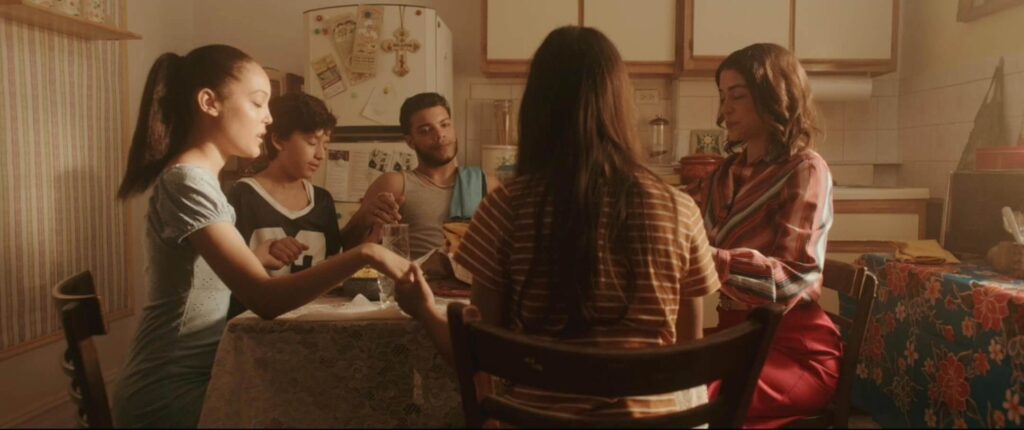
In returning to the visceral language of “Every Ghetto, Every City,” Brownsville Bred is a film that honors the foundational roots of the places that “raise” us, long after we’ve left them behind. Much like Gary and Chicago for me, Brownsville is permanently interwoven into the tapestry of Elaine’s life. These are places that have left an indelible mark, and their formative impact lies not only in the past but also in how they continue to shape us in the future.
Rating: 8/10