


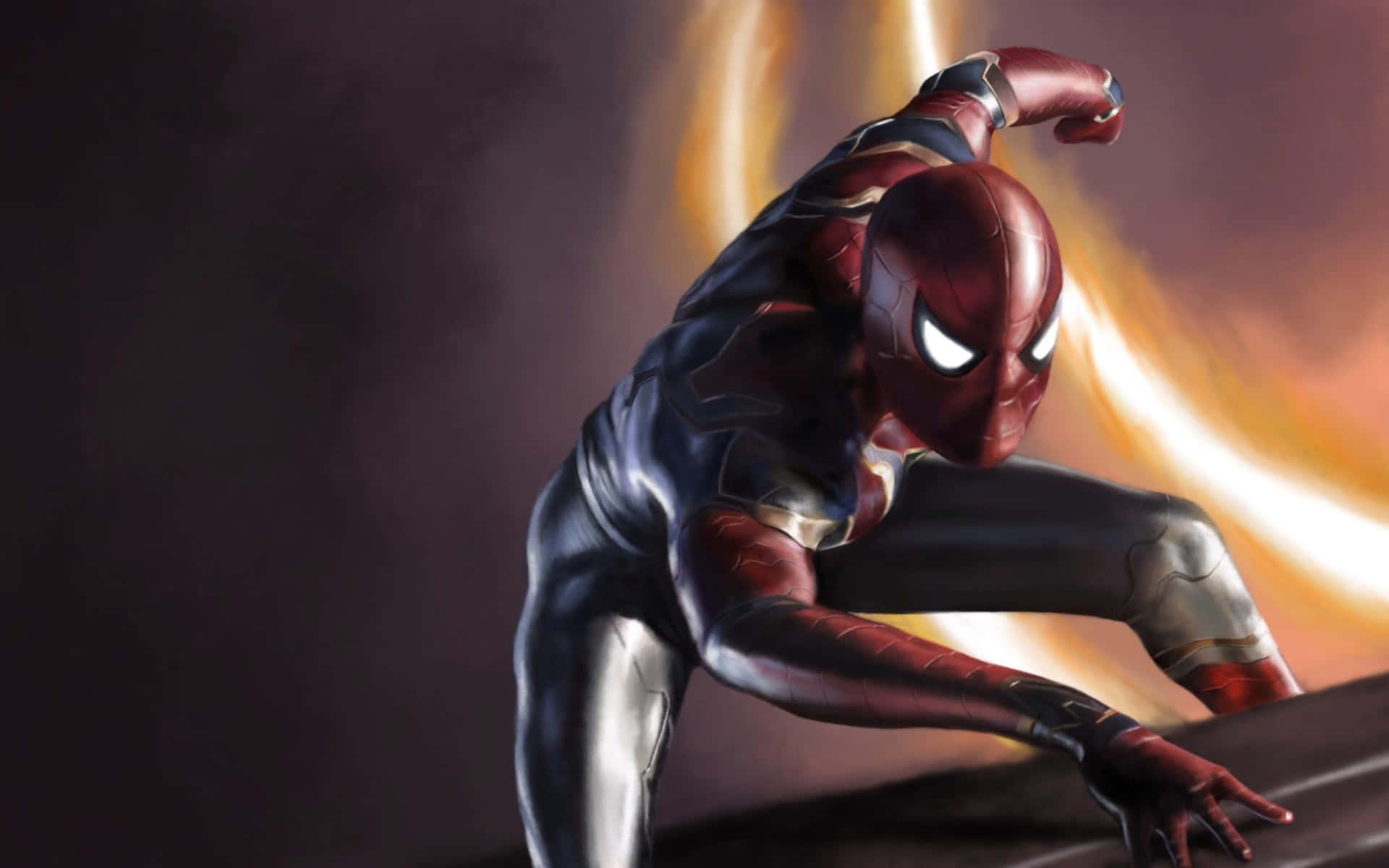
With Spider-Man: Brand New Day upon us and there being so much love surrounding Peter Parker’s return to the big screen, we thought it would be fun to take a look beyond the original wall-crawler and celebrate the various spider characters who have ties to Hispanic and Latino culture.
Over the years, the Spider-Verse has grown into one of the most diverse corners of the Marvel Universe. The idea that anyone can wear the mask has allowed readers from a variety of backgrounds to see themselves represented through these characters. From Brooklyn and Mexico to Puerto Rico, Peru, Argentina, and the futuristic streets of Nueva York, Hispanic and Latino characters have made a lasting impact on Spider-Man’s world as heroes, villains, and everything in between.
Miles Morales
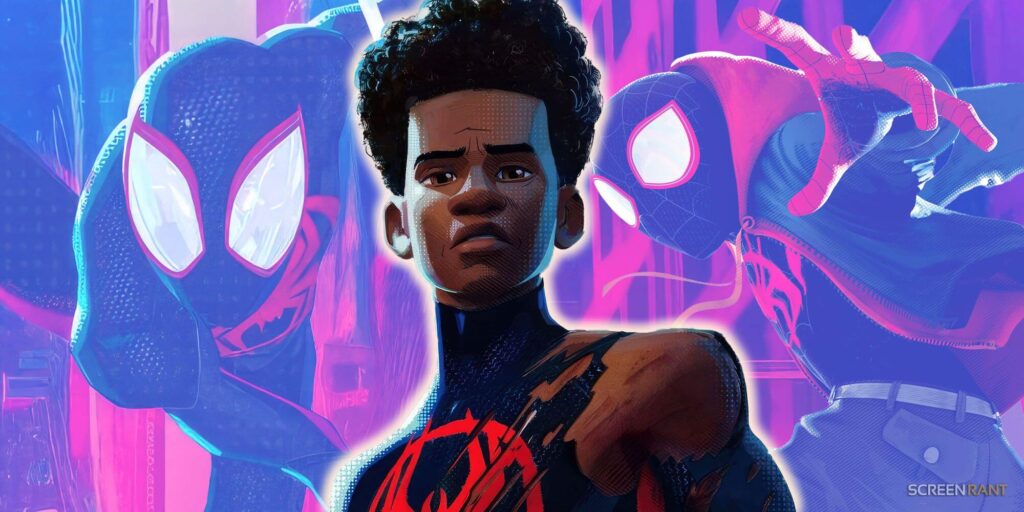
There is no better place to start than with Miles Morales, who has become one of the most popular superheroes in the world.
Miles was introduced in Ultimate Fallout #4 in 2011 following the death of the Ultimate Universe’s Peter Parker. Born and raised in Brooklyn, Miles is the son of an African American father, Jefferson Davis, and a Puerto Rican mother, Rio Morales. His identity as both a Black and Puerto Rican teenager has been an important part of the character from the very beginning.
After being bitten by a genetically altered spider, Miles developed many of the traditional abilities associated with Spider-Man. However, he also gained powers that helped him stand apart from Peter Parker, including the ability to camouflage himself and produce bioelectric attacks commonly known as venom blasts.
Miles eventually became one of the few characters to survive the destruction of the Ultimate Universe and was integrated into Marvel’s main comic-book universe. Since then, he has fought alongside Peter Parker, the Avengers, the Champions, and countless heroes from across the Multiverse.
While Peter Parker will always be the original Spider-Man, Miles has grown far beyond simply being another version of the character. He has his own supporting cast, family relationships, villains, personal struggles, and cultural identity. His Puerto Rican heritage is regularly represented through his relationship with his mother, his family, the Spanish language, and the communities around him.
Miles reached an even larger audience through the animated Spider-Verse movies and the Marvel’s Spider-Man video games. However, the actors most closely associated with those adaptations, including Shameik Moore and Nadji Jeter, are not themselves Hispanic or Latino. Because of that, they are not the focus of this celebration, even though their performances helped turn Miles into a worldwide icon.
Miguel O’Hara, Spider-Man 2099
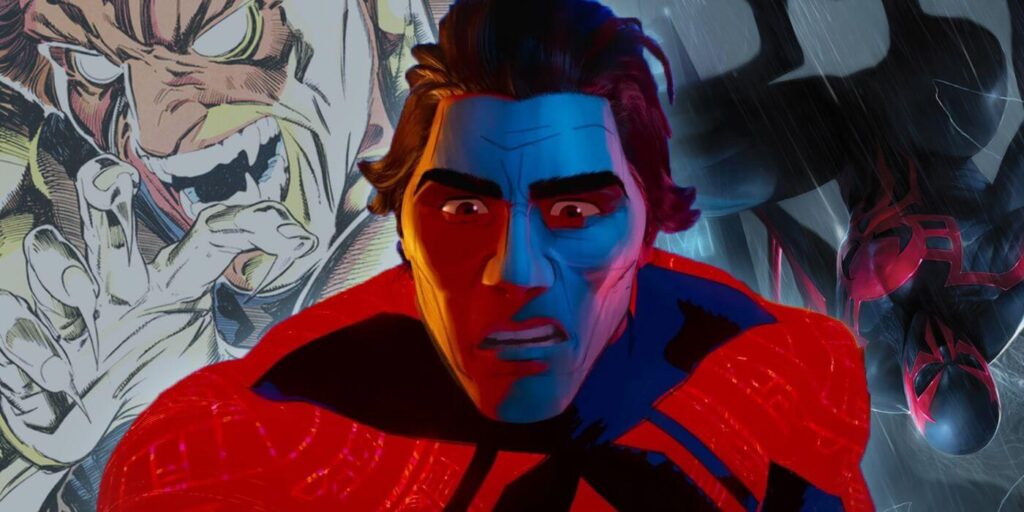
Long before Miles Morales wore the mask, Miguel O’Hara became Marvel’s first prominent Latino character to carry the Spider-Man name.
Introduced in the early 1990s, Miguel is a brilliant geneticist of Mexican and Irish descent living in the futuristic world of 2099. Rather than being bitten by a radioactive spider, Miguel receives his abilities when an experiment alters his genetic structure and combines his DNA with that of a spider.
Miguel operates in Nueva York, a futuristic version of New York City controlled largely by powerful corporations. His adventures frequently place him against the corrupt Alchemax corporation and the forces attempting to control the city.
Although Miguel carries the Spider-Man name, he is significantly different from Peter Parker. He has enhanced vision, organic webbing, talons, fangs, and a much more aggressive personality. He is often impatient, confrontational, and willing to make difficult decisions that Peter or Miles might reject.
Miguel’s popularity grew considerably through his appearances in animated projects, comics, and video games. His most recognizable adaptation came in Spider-Man: Into the Spider-Verse and Spider-Man: Across the Spider-Verse, where he was voiced by Oscar Isaac.
Isaac was born in Guatemala to a Guatemalan mother and a Cuban father, making him one of the clearest examples of a Latino performer playing one of Marvel’s Latino Spider-Men. His performance emphasized Miguel’s intensity, physical presence, anger, and belief that protecting the Multiverse sometimes requires making painful sacrifices.
Anya Corazon, Araña and Spider-Girl
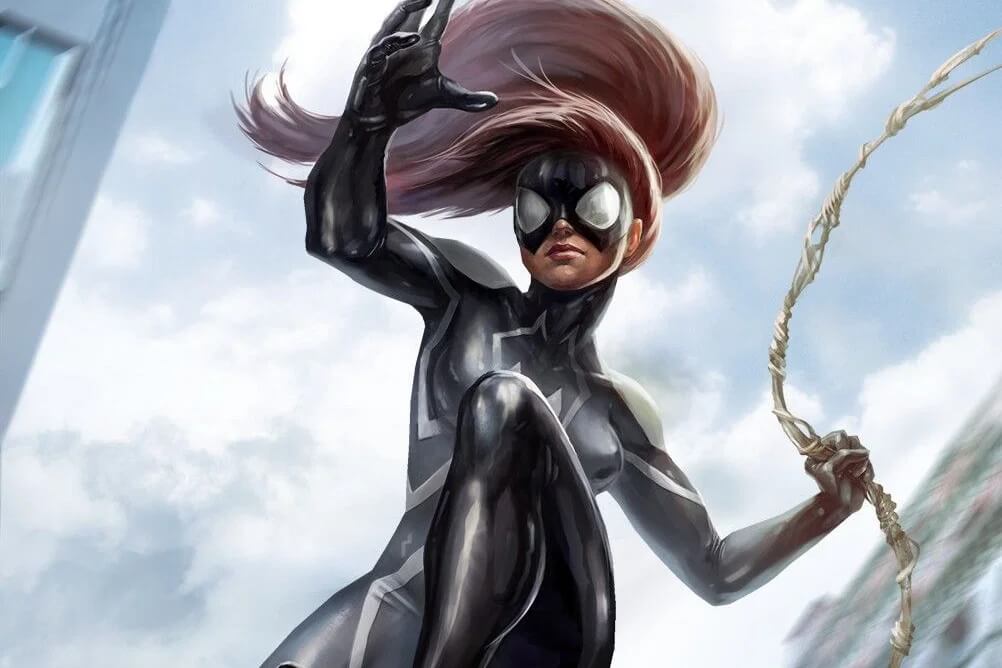
Anya Corazon is another major Latina hero within the Spider-Man universe.
Anya is the daughter of a Puerto Rican father and a Mexican mother. She was born in Mexico before moving to the United States with her father following her mother’s death. Her experiences adjusting to life in New York became part of her earliest stories and helped establish her as a young hero balancing personal tragedy, cultural identity, school, and superhero responsibilities.
Anya initially operated under the name Araña, the Spanish word for spider. Her abilities were originally connected to the Spider Society, a secret organization devoted to mystical forces associated with spiders. After being critically wounded, Anya received a spider-shaped tattoo that granted her enhanced strength, agility, reflexes, and a protective exoskeleton.
She later abandoned the Araña identity and became Spider-Girl, wearing a costume previously used by Julia Carpenter. While the change gave her a more recognizable superhero name, her Mexican and Puerto Rican background remained an important part of who she was.
Anya has fought alongside Spider-Man, Miles Morales, and other members of the Spider-Verse. She has also appeared as a member of teams such as the Young Allies and the Web Warriors. Her stories have explored grief, immigration, belonging, family, and the challenge of establishing an identity within a superhero community filled with people carrying similar names and abilities.
Although Anya has appeared in animation and games, there has not yet been a major theatrical portrayal of the character by a Latina actress comparable to Oscar Isaac’s performance as Miguel. She remains one of the most deserving Spider-People still waiting for a larger adaptation.
Taran and the Spider-Clan of Peru
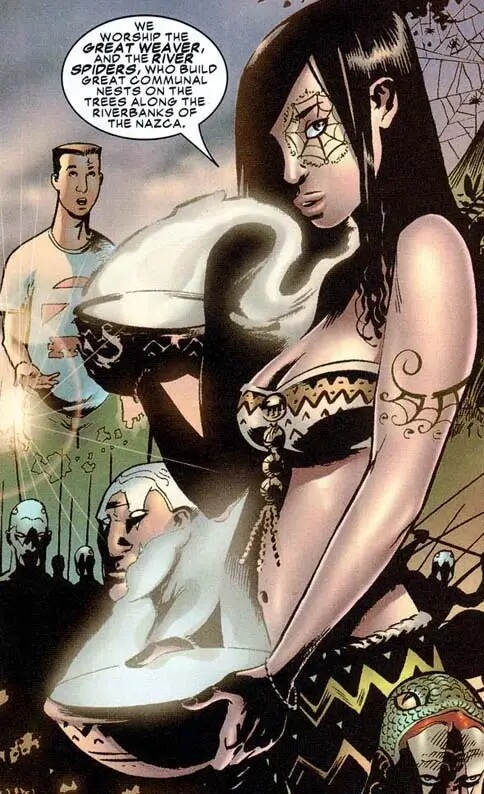
One of the more obscure Hispanic and Latino characters connected to Spider-Man mythology is Taran, the Peruvian high priestess of the Spider-Clan.
Taran was introduced in Peter Parker: Spider-Man Annual 2001. She belonged to an ancient Spider-Clan located in the jungles of Peru and served as the high priestess of the Temple of the Great Weaver. Her abilities were magical rather than scientific and were connected to the Spider-Clan’s sacred amulet.
The Spider-Clan’s mythology presented another way of exploring spider powers beyond radioactive accidents and genetic experiments. Their connection to Peruvian culture and ancient traditions placed them within the mystical side of Spider-Man’s world.
Taran has never reached the popularity of Miles, Miguel, or Anya, but she represents an interesting chapter in Marvel’s attempts to connect spider mythology with cultures beyond the United States.
Donna Diego, Scream
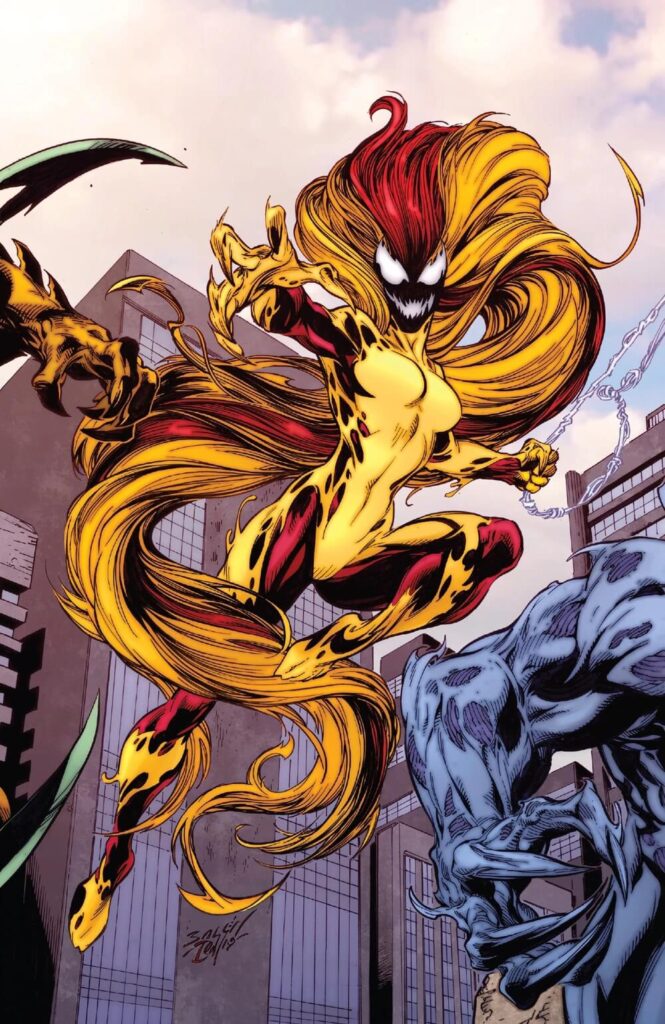
Not every Hispanic or Latino character connected to the Spider-Verse has been a hero.
Donna Diego was one of several people selected by the Life Foundation to become bonded with symbiotes created from Venom. She became the host of Scream, a yellow and red symbiote with long tendrils resembling hair.
Marvel has included Donna among the Hispanic characters connected to Spider-Man’s world, although her specific national heritage has never been explored as clearly as the backgrounds of Miles, Miguel, or Anya.
Donna suffered from severe psychological instability even before bonding with Scream. The symbiote amplified many of her existing struggles, and she eventually turned against the other Life Foundation symbiotes. Her story became increasingly tragic as her identity was consumed by violence, manipulation, and the destructive influence surrounding the symbiotes.
Scream has continued to appear in comics, games, toys, and other Spider-Man media, although later versions of the symbiote have bonded with different hosts. Donna Diego remains the original person most closely associated with the name.
Anton Miguel Rodriguez, Tarantula
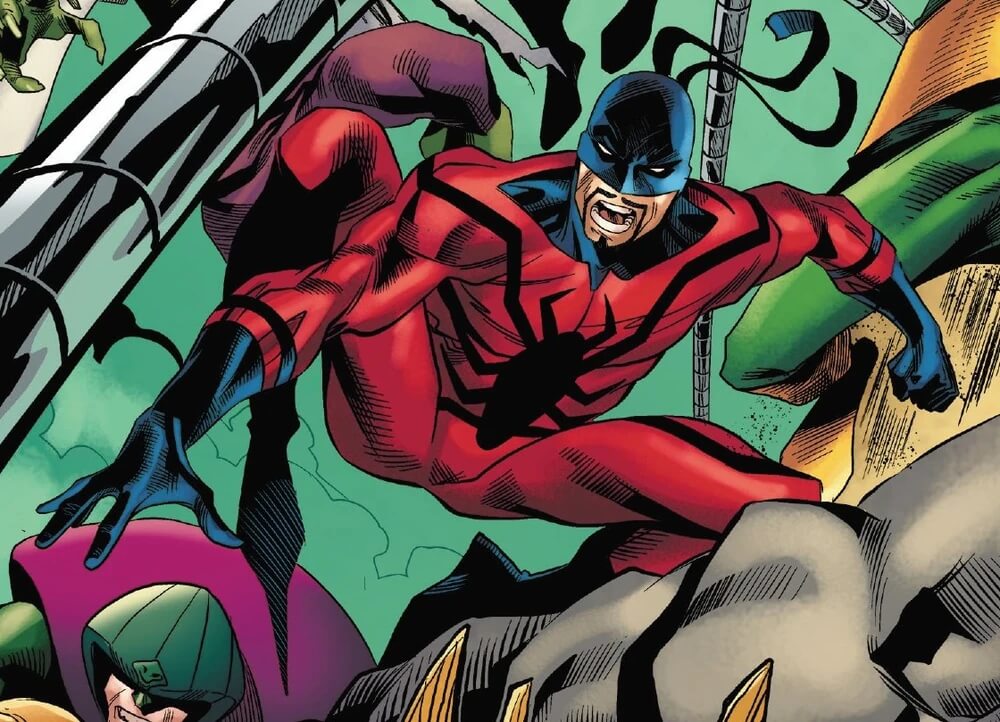
Anton Miguel Rodriguez was the original Marvel character to use the Tarantula identity.
Rodriguez came from Delvadia, a fictional South American nation frequently portrayed as being controlled by an oppressive dictatorship. He originally participated in revolutionary activity but was expelled after committing murder. He then betrayed his former cause and became a government operative, adopting the Tarantula identity as a national enforcer.
Tarantula wore a red costume with a black spider emblem and used poisoned blades attached to his gloves and boots. He was designed as a dark reflection of patriotic superheroes, serving a corrupt government rather than defending ordinary people.
Rodriguez repeatedly fought Spider-Man and eventually underwent an experiment intended to give him spider-like powers. Instead, the procedure transformed him into a monstrous human tarantula. Horrified by what he had become, he ultimately died after falling from a building.
Although Delvadia is fictional, the character was clearly built around political conflicts, revolutions, and dictatorships associated with parts of Latin America. His story serves as one of Marvel’s more tragic examples of a revolutionary abandoning his ideals and becoming a weapon for the government he once opposed.
Luis Alvarez, the Second Tarantula
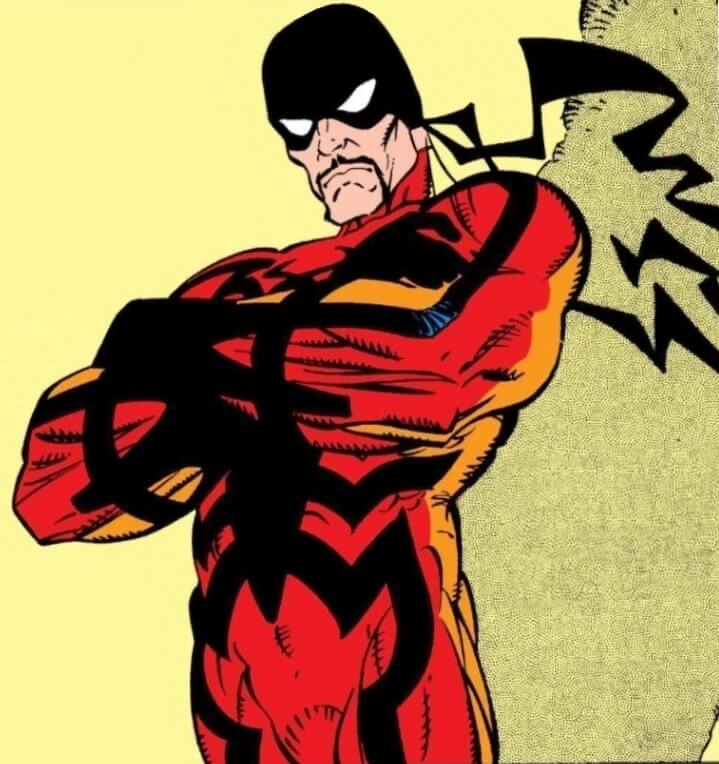
Luis Alvarez later inherited the Tarantula name and served as another operative of Delvadia.
Like Anton Rodriguez, Alvarez was trained as a skilled fighter and equipped with the signature poisoned blades used by Tarantula. He became an enemy of Spider-Man after being sent to the United States on behalf of Delvadia’s government.
Alvarez never achieved the same level of recognition as his predecessor, but his existence showed that Tarantula was not simply one individual. It was a political identity that could be passed to another operative whenever the Delvadian government needed a new enforcer.
Because Delvadia is a fictional South American country, Alvarez’s precise real-world ethnicity cannot be identified. However, he remains part of Marvel’s collection of Latin American-coded Spider-Man adversaries.
Maria Vasquez, Tarantula
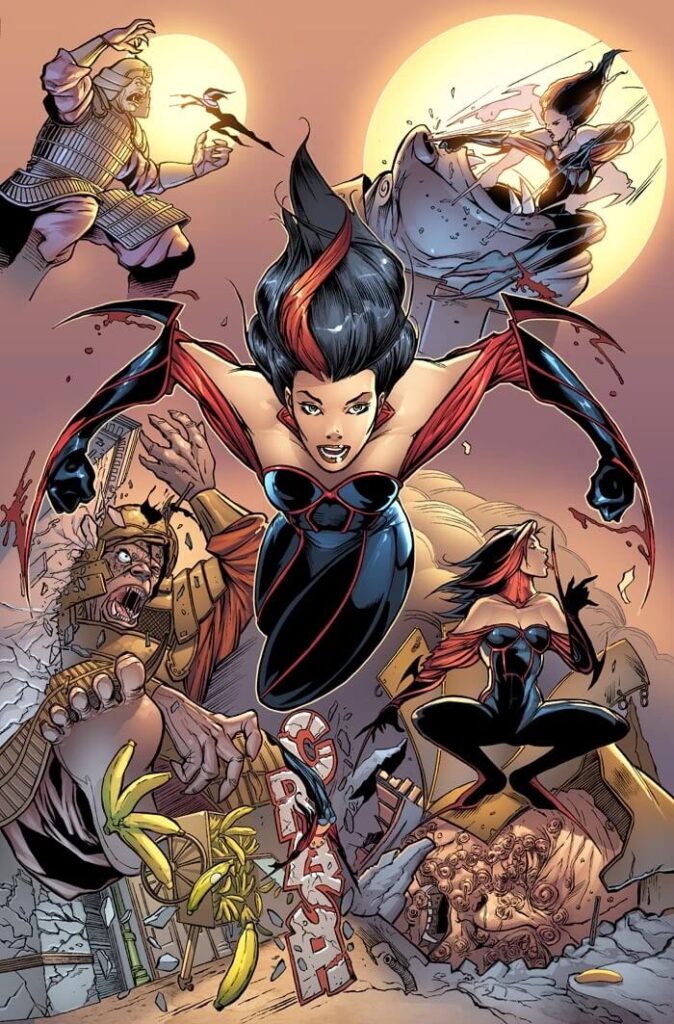
Maria Vasquez offered a very different interpretation of the Tarantula identity.
Introduced in the second volume of Heroes for Hire, Maria was a Latina martial artist whose younger sister, Rosa, was killed during the Stamford disaster that helped trigger Marvel’s Civil War storyline. Maria responded to her grief by becoming increasingly violent and adopting the name Tarantula.
Unlike Anton Rodriguez and Luis Alvarez, Maria was not created as an agent of Delvadia. She became a member of the Heroes for Hire and worked alongside characters such as Misty Knight, Colleen Wing, Shang-Chi, Black Cat, and Paladin.
Maria frequently crossed the line between hero and antihero. She wanted to protect people and punish criminals, but her anger and willingness to use deadly force often created tension with the other members of her team.
Her version of Tarantula retained the martial arts, blades, and spider imagery associated with the name while giving the identity to a Latina woman driven by grief rather than political loyalty.
Carlos LaMuerto, Black Tarantula
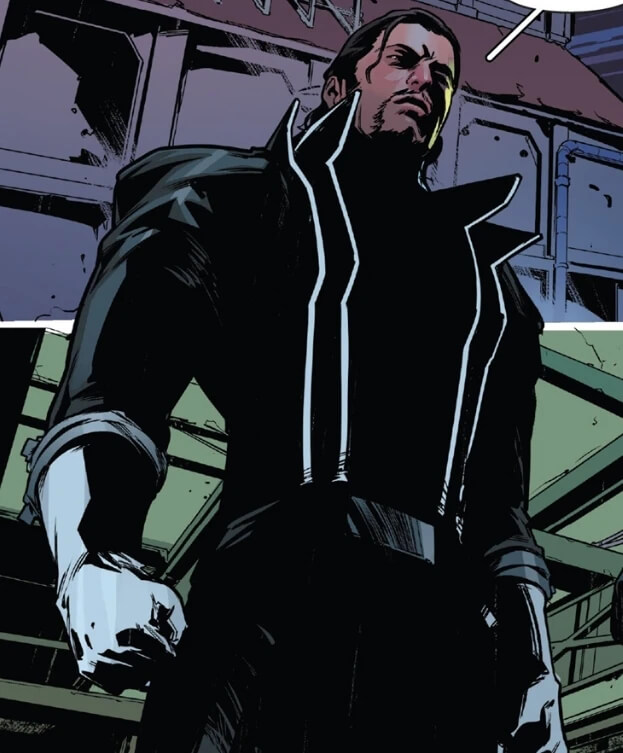
Carlos LaMuerto, better known as Black Tarantula, is one of the most powerful Latin American characters to face Spider-Man.
Carlos operated as a South American crime lord whose organization had influence throughout Argentina, other parts of South America, and Europe. The Black Tarantula identity had supposedly been passed from father to son for centuries, with each generation allowing outsiders to believe the same man had survived for hundreds of years.
Black Tarantula possessed superhuman strength, speed, durability, reflexes, healing abilities, and the power to fire energy from his eyes. He was powerful enough to defeat Spider-Man in direct combat but was not always portrayed as completely evil.
Carlos followed a personal code and occasionally showed mercy, even while operating as a criminal. He eventually attempted to leave parts of his former life behind and became involved in stories with Daredevil and the Hand. At different points, he acted as a villain, reluctant ally, antihero, and neighborhood protector.
His wife, Marina Caches, was Brazilian, and their son Fabian LaMuerto later inherited the Black Tarantula legacy in the alternate MC2 universe. The family’s history made the Black Tarantula identity one of the more extensive multigenerational legacies associated with Spider-Man.
El Muerto
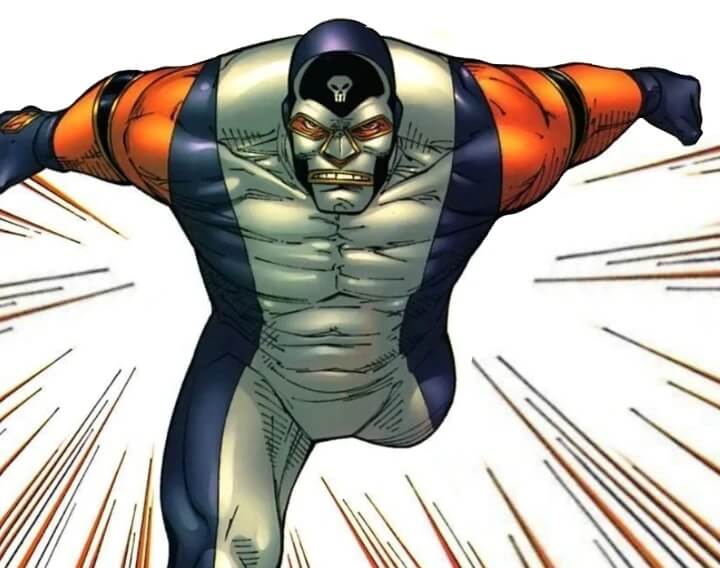
El Muerto may not possess spider powers or wear a spider symbol, but he is one of Spider-Man’s most recognizable Latino adversaries.
Juan-Carlos Sánchez comes from a family of masked wrestlers who pass the El Muerto identity from one generation to the next. The wearer receives superhuman strength from a mystical luchador mask, but each successor must prove himself by defeating the supernatural being known as El Dorado.
When Juan-Carlos hesitated to fight El Dorado, the entity gave him ten years to prepare and demanded that he defeat and unmask another masked hero. Juan-Carlos selected Spider-Man and challenged him to a wrestling match.
El Muerto nearly unmasked Spider-Man before being poisoned by one of Spider-Man’s stingers. Spider-Man later helped protect Juan-Carlos from El Dorado, turning their relationship from one of simple enemies into something closer to reluctant allies.
The character is heavily inspired by lucha libre, the Mexican tradition of professional wrestling in which masks, family legacies, secret identities, and personal honor carry enormous importance.
Puerto Rican musician and actor Bad Bunny, whose real name is Benito Antonio Martínez Ocasio, was previously attached to play El Muerto in a planned live-action film. However, that project did not move forward in its originally announced form. The casting still represented a rare instance in which a major Latino performer was selected to portray one of Spider-Man’s Latino comic-book characters.
A Spider-Verse That Continues to Grow
Peter Parker will always be at the center of Spider-Man’s history, but the character’s greatest legacy may be the idea that heroism is not limited to one person, culture, neighborhood, or universe.
Miles Morales has become one of the most popular superheroes of his generation. Miguel O’Hara helped bring Latino representation to the Spider-Man name decades before the current wave of superhero diversity. Anya Corazon has carried the identities of both Araña and Spider-Girl while representing her Mexican and Puerto Rican heritage. Characters such as Taran have connected spider mythology to Peru, while villains and antiheroes like Tarantula, Scream, Black Tarantula, and El Muerto have brought different pieces of Latin American culture into Spider-Man’s world.
Some of these characters have become worldwide icons. Others have only appeared in a handful of comics and remain largely unknown outside of dedicated Marvel readers. Together, however, they show how much the Spider-Verse has expanded since Peter Parker first put on the mask.
With Spider-Man: Brand New Day bringing Peter back to theaters on July 31, 2026, and the Spider-Verse continuing to expand across comics, movies, animation, and video games, there is plenty of room for more of these characters to receive the spotlight they deserve.