




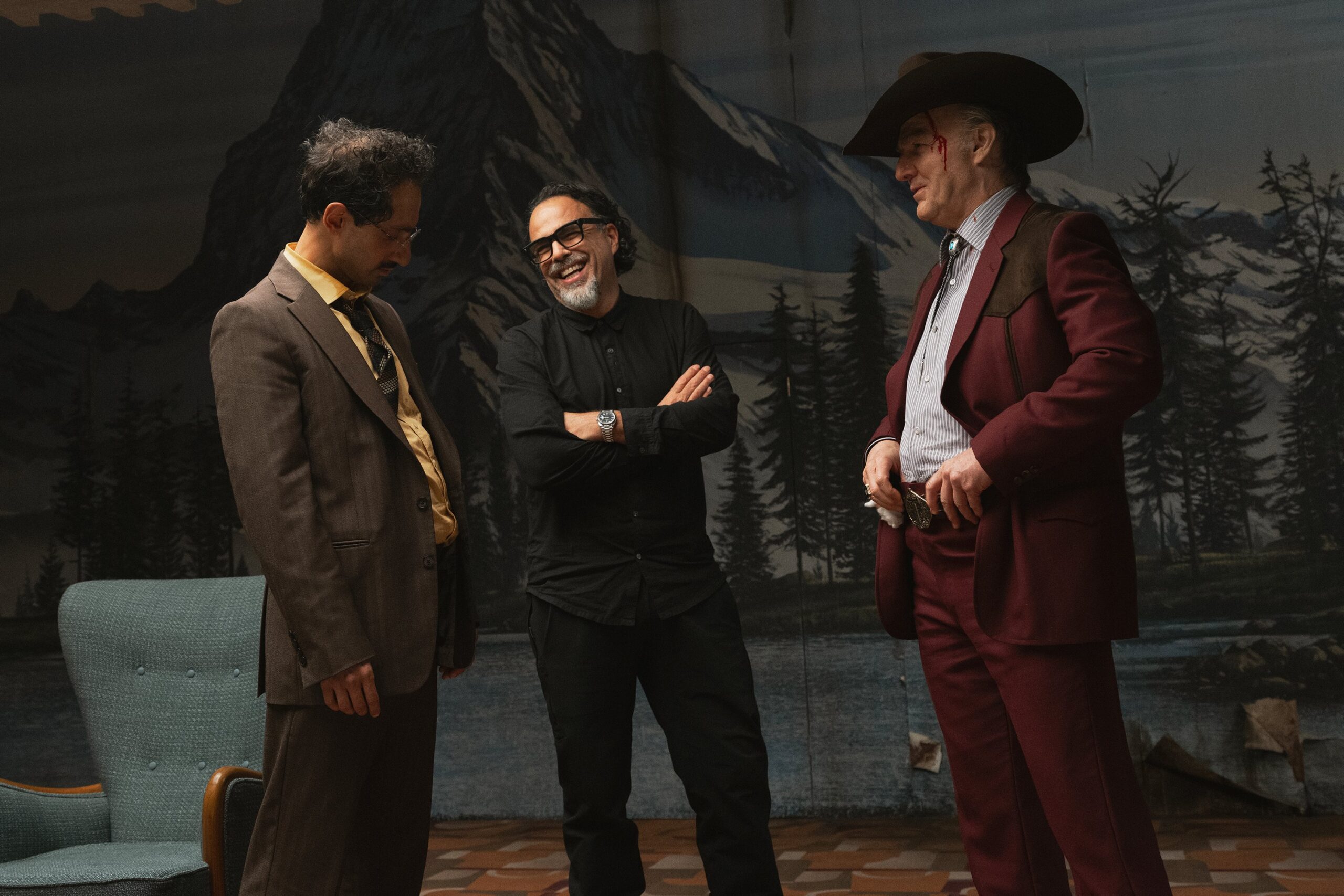
Why Hollywood Crashed Digger at the Box Office
Stepping out of an opening-night screening of Digger, the lobby hummed with raw Stepping out of an opening-night screening of Digger, the lobby hummed with raw energy. Moviegoers were not shuffling out half-asleep under their smartphone screens. Instead, heated arguments broke out across the room. Dissecting the theatrical madness they had just witnessed became an immediate priority for the crowd.
Yet outside those few buzzing theaters, the reality across America was stark. Multiplexes showed vast seas of empty seats. Tracking reports indicate a disastrous opening weekend near $8 million. With an estimated production cost between $140M and $160M, the trades are already branding the project a catastrophic studio misfire.
Pundits will predictably point fingers at audience fatigue. Many commentators will blame the abrasive material or a split C+ CinemaScore. However, that diagnosis misidentifies the true failure. Digger did not crash because it is weird or uncompromising. Studio executives committed a cardinal distribution sin. They treated a Mexican absurdist satire as if it were a standard Tom Cruise action vehicle.
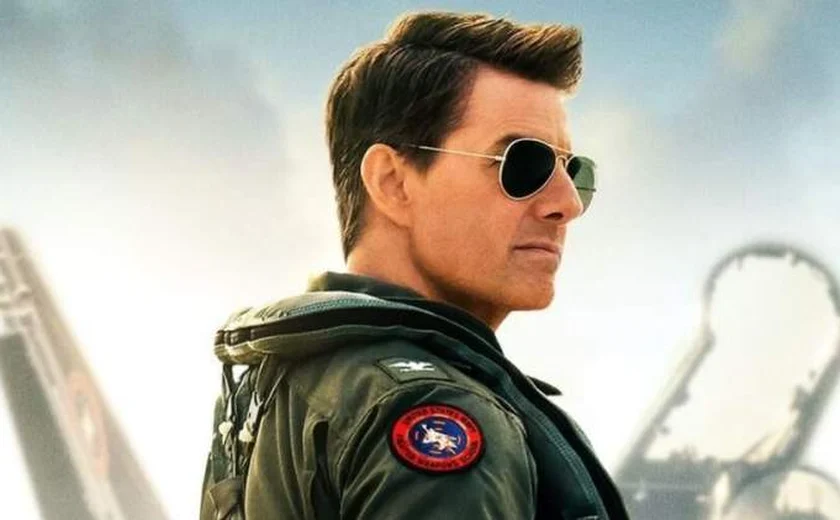
The Broken Social Contract of Tom Cruise
For four decades, Tom Cruise has maintained an ironclad brand contract. When general audiences buy a ticket to his films, they expect specific thrills. Kinetic precision, wild stunts, and heroic victories remain the core promise. Viewers look forward to a protagonist who saves the day through pure willpower.
Cruise has taken dark psychological swings before. During the late 1990s, he starred in Eyes Wide Shut and Magnolia. Back then, studios sold those projects honestly as provocative adult dramas.
With Digger, Warner Bros. attempted a cynical sleight of hand. The promotional engine operated like a traditional blockbuster rollout. Studio planners booked premium IMAX and Dolby Cinema screens across the country. Vague teaser trailers showed Cruise running through dust clouds. Massive citywide installations rounded out the expensive push.
This strategy created a toxic mismatch:
- The Pitch: A major Tom Cruise event movie packed with high-octane spectacle.
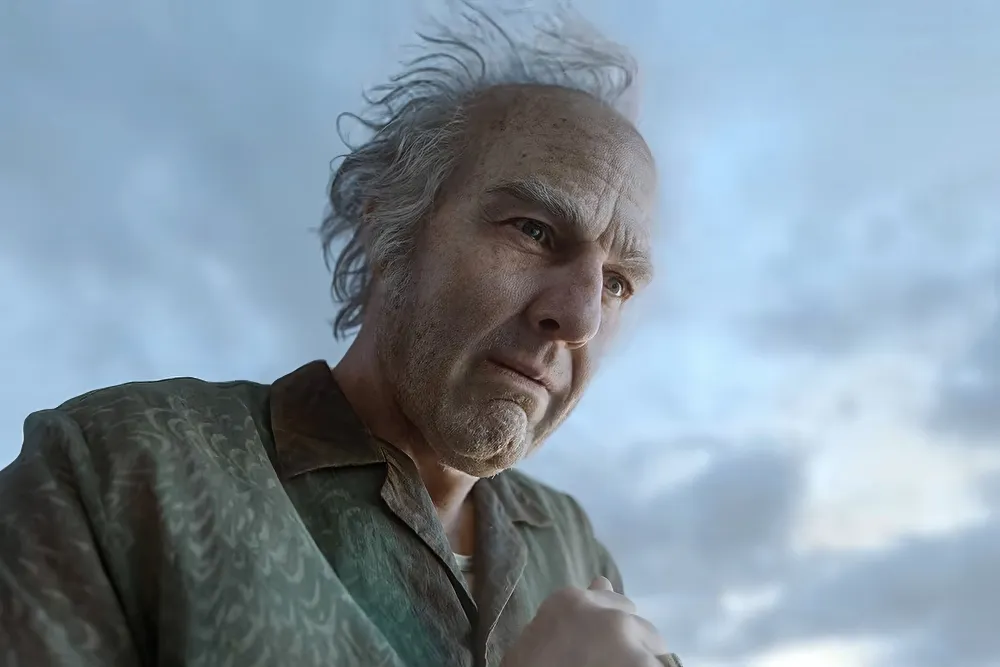
- The Reality: An abrasive, dialogue-dense, deeply theatrical satire. Cruise wears rubber prosthetics and delivers unhinged monologues about oil, decay, and societal collapse.
Cruise did not let audiences down. In fact, he delivered his most daring and vulnerable performance in twenty-five years. Unfortunately, the deceptive marketing hid the film’s true identity. Mainstream popcorn crowds felt cheated. Meanwhile, art-house filmgoers stayed home, assuming the film was just another glossy studio vehicle.

Erasing the Cultural DNA: The Mexican Fatalistic Comedy
The biggest mistake was erasing the authorial voice of Alejandro González Iñárritu. Digger is not a generic Hollywood disaster film. In reality, it stands as an unapologetically Mexican story.
Iñárritu operates within a rich cultural tradition. He confronts mortality with a sharp grin, staging a cinematic “dance with death.” The narrative stares directly into human greed and societal decay. Despite the gloom, he discovers divine absurdity, grotesque humor, and deep tenderness within the ruins.
Surreal elements echo the visual style of Terry Gilliam alongside the backstage theatricality of Birdman. This distinct Mexican worldview explicitly rejects tidy moralizing and neat third-act redemptions.
Only a Mexican auteur can view our fractured world and find such dark farce. Throughout this film, death and life dance together in broad daylight. Studio executives clearly panicked at that premise. Fearing the alienation of four-quadrant audiences, marketers sanitized the bite and packaged an art-house experiment as a sterile prestige product.
The Alternative Playbook: 5 Ways Hollywood Should Have Marketed Digger
Audiences have not lost their appetite for challenging cinema. The real issue is that studios no longer know how to build a proper runway for unique art. Dropping an avant-garde theatrical satire onto 3,300 screens on day one is sheer malpractice.
To turn Digger into a slow-burn success, Warner Bros. needed an indie playbook. Manufacturing scarcity and building genuine word-of-mouth should have anchored the entire plan.
1. Film School Residencies and Grassroots Groundswell
Scrap the sterile corporate junkets and cookie-cutter red carpets. Instead, send Iñárritu and Cruise directly to film students. Masterclasses and interactive Q&As should have taken place at premier film institutions, including USC School of Cinematic Arts, NYU Tisch, and UNAM / CUEC in Mexico City.
This approach is not an unproven theory; it is living history. Twenty-five years ago, the buzz around Amores Perros did not start with corporate billboards. Word of mouth caught fire at an intimate USC screening and Q&A. Iñárritu held court and laid bare his vision to young film lovers. Bringing Cruise and Iñárritu into that collegiate environment frames Digger as a vital artistic event.
2. The Curated Four-Wall Platform Rollout
Abandon the nationwide wide-release blitz entirely. The film should have debuted on just 6 to 10 screens in key cultural hubs. Ideal venues include the Angelika in New York, Vidiots in Los Angeles, and Cineteca Nacional in Mexico City.
Capping supply produces packed houses and lines around the block. High demand yields eye-popping $80K+ per-screen averages. Instead of flop headlines, the entertainment press screams: “The Movie Audiences Are Fighting to See.”
3. Market the Auteur, Not the Action Star
Pivot the entire promotional angle around Iñárritu’s unique cultural lens. Hiding the absurd tone does nobody any favors, so put it front and center.
Pitch the film honestly as a dark, fatalistic Mexican comedy. Describe it as a surreal dance with death that holds up a funhouse mirror to modern society. Clear expectations attract the right cinephile crowd and protect critical exit scores.
4. The “Midnight Cult” Media Campaign
Divert wasted television ad dollars into subversive cultural spaces. Commission screenprints from underground and Mexican graphic illustrators. Independent video critics and cinema podcasts should have received early access to spark debate.
Embrace polarizing pull-quotes directly on one-sheet posters. Highlight words like “Disturbing,” “A fever dream,” and “Uncompromising.” Seeing Digger then becomes a badge of honor for adventurous viewers.
5. Staged Territorial Expansion
Widen screen counts only after discourse reaches critical mass. Expansion should move gradually from 10 screens to 150, then to 500 theaters. Distributors can ride waves of online debate and early year-end awards chatter. By the time Digger arrives in suburban multiplexes, the title stands as an essential cultural event.
The Bonus Play: The AMC Retrospective Curated by Tom Cruise
The smartest move should have happened three months before release. Warner Bros. missed a massive opportunity by not partnering with AMC Theatres for an exclusive retrospective: “Tom Cruise Presents: The Vision of Alejandro González Iñárritu.”
Special programming could feature weekly screenings of Amores Perros, Birdman, and The Revenant. Every presentation would include an exclusive recorded intro from Cruise.
Hearing Cruise break down Iñárritu’s kinetic genius accomplishes two things:
- It educates multiplex audiences: Casual moviegoers gain exposure to Iñárritu’s visual and tonal grammar.
- It re-establishes Cruise’s dramatic chops: Movie fans are reminded that Cruise is a dedicated artist stepping boldly into an auteur’s arena.
The Cost of Deception
Hollywood studios have become terrified of commercial risk. Major distributors routinely default to dishonest marketing campaigns. Pitching an art piece as a theme park ride is a recipe for box office disaster.
Digger will eventually find its place. In five years, film lovers will revere it as an uncompromised artistic swing. But its opening-weekend slaughter stands as an urgent lesson for the industry: you cannot deceive audiences into an avant-garde experience. Studios must learn to sell an auteur’s bite with patience, or their boldest gambles will continue to fail.