



How “El Rey,” a timeless ranchera transformed outsider status into a defiant anthem of working-class pride, lowrider culture, and untouchable dignity.
During the 2026 World Cup, the Mexican national team celebrated every victory with the timeless anthem “El Rey.” Thousands of singing Mexican fans filled the stadiums, and their voices ignited the hearts of Chicanos across the United States. Furthermore, those stadium-soaked renditions reminded many of life on the hyphen, bridging two distinct cultures and countries.
More than a classic ranchera, “El Rey” is a roaring anthem of working-class sovereignty. In fact, it transforms the sting of marginalization into a proud declaration of human dignity. Consequently, for the Chicano community in the United States, this masterpiece serves as cultural armor. Therefore, it redefines what it means to command one’s destiny in a world that often pushes working people to the sidelines.
Indeed, “El Rey” (The King) remains a cornerstone of Chicano identity. Specifically, it articulates a unique brand of dignified resistance: the refusal to let economic status or social marginalization define one’s worth. Historically, Chicanos faced systemic discrimination, segregation, and economic exclusion in the U.S. Thus, the song is far more than a simple breakup tune; instead, it is an enduring declaration of cultural sovereignty.
1. The “King Without a Throne” Metaphor
The song’s most famous lyric delivers its core philosophical thesis:
“No tengo trono ni reina, ni nadie que me comprenda, pero sigo siendo El Rey.”
(I have no throne or queen, nor anyone who understands me, but I am still the King.)
For many Mexican-Americans, this line serves as a powerful metaphor for life in the United States. For instance, they may lack a political “throne” or mainstream social acceptance. Even so, they retain an untouchable inner dignity. As a result, this perspective flips the script on the traditional American Dream. Instead of tying human worth to material wealth, “El Rey” asserts that dignity is inherent.
2. The “Outsider” Code (“Yo sé bien que estoy afuera”)
The famous opening line takes on a profound second meaning within the diaspora:
- The Literal Meaning: First, the narrator acknowledges that he is outside a lover’s heart.
- The Cultural Meaning: Meanwhile, for the Mexican-American community, it mirrors the experience of being an outsider in American society.
Historically, many families found themselves segregated in barrios and treated as second-class citizens. However, the song openly acknowledges this outsider status and refuses to be shamed by it. Consequently, it transforms marginalization into a badge of honor.
3. Lowrider Culture and the “El Rey” Aesthetic
In addition to its lyrics, the song’s slow, regal tempo aligns naturally with lowrider culture. In particular, both celebrate the philosophy of moving “Low and Slow,” taking up space on one’s own terms.
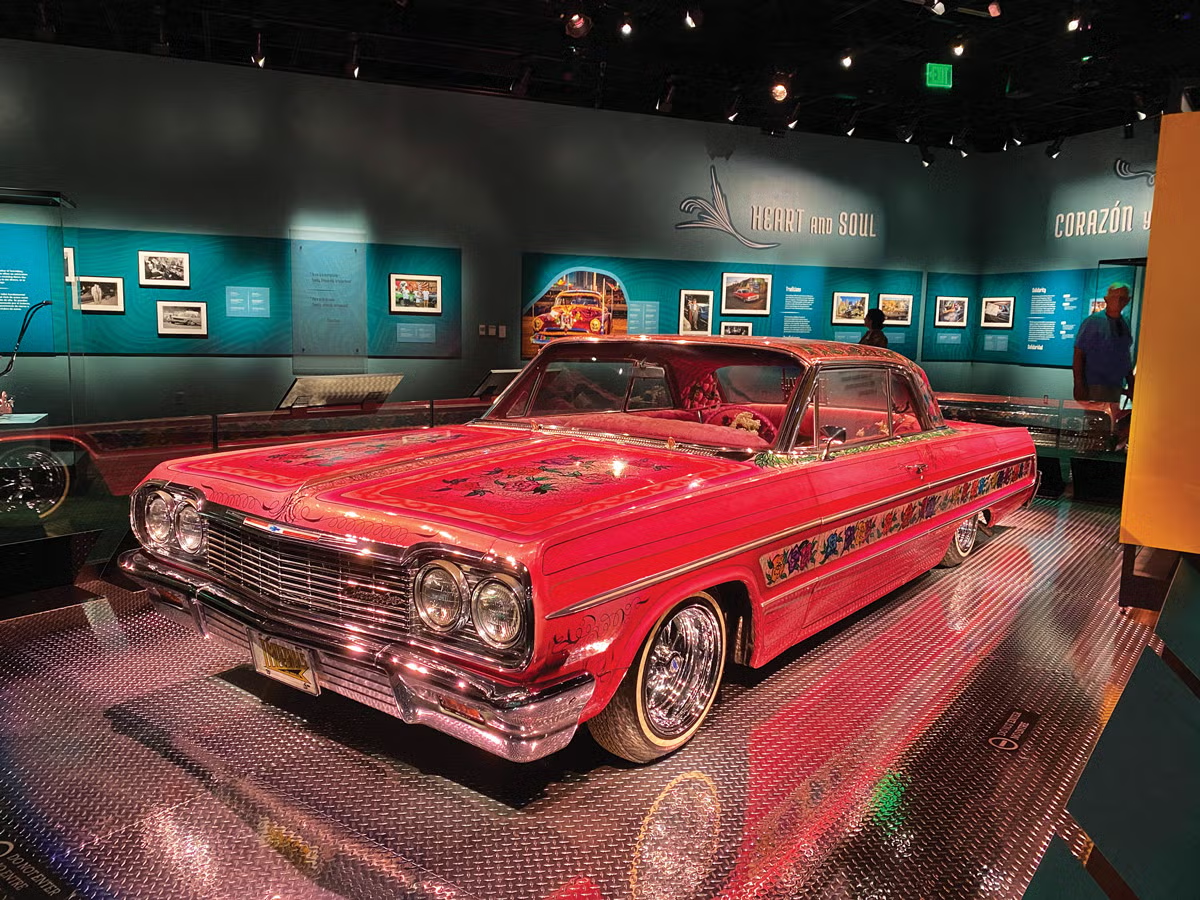
- Museum Recognition: Moreover, the song is deeply tied to this subculture. Specifically, a famous candy-red 1963 Chevy Impala named “El Rey” was inducted into the Smithsonian National Museum of American History. Thus, like the song itself, the car represents working-class craftsmanship that commands respect.
- The Cruising Connection: Similarly, cruising down Whittier Boulevard with “El Rey” playing loudly is an intentional statement. In this way, it asserts cultural visibility and pride in spaces that often overlook the community.
4. The Vicente Fernández Connection
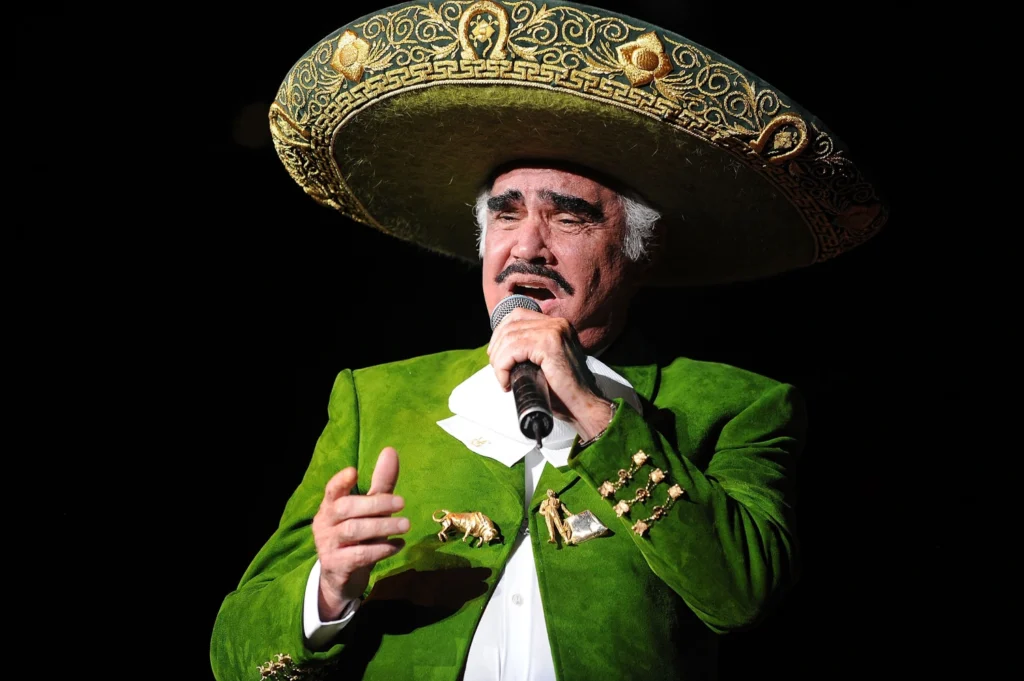
José Alfredo Jiménez originally composed the track, but Vicente Fernández made it the definitive anthem for Mexican-Americans. Above all, Chente represented the quintessential working-class hero.
Recently, the Library of Congress inducted his version into the National Recording Registry, thereby cementing its place in the story of Latin American resilience. For this reason, singing the track alongside Chente remains a vital way for Chicanos to stay connected to their heritage.
Summary of Significance
| Element | Cultural Meaning |
| “With or Without Money” | Rejects pure materialism; human dignity is never for sale. |
| “My Word is the Law” | Reasserts personal authority in spaces where power was denied. |
| “I Know I’m Outside” | Acknowledges minority and outsider status without shame. |
Ultimately, “El Rey” proves that royalty is not defined by crowns, wealth, or approval. Instead, true majesty lives in the pride of an unbreakable spirit.