



by D. Movieman
“The happy family is a myth for many.”
― Carolyn Spring
Whenever I recall my childhood, I can still viscerally remember how joyous it was. A
core part of that joy came from being surrounded by loved ones and family friends, all
willing to offer kindness and support. In turn, this experience naturally desensitized me
to the greater reality of the world—namely, the aforementioned quote. That’s likely why I
am always fascinated by films that center around family dynamics, whether healthy or
dysfunctional. Perhaps the earliest awareness of this came with 1994’s The Lion King.
What 90s baby can ever forget the shock and horror of watching Mufasa, King of the
Pride Lands, hurled into a wildebeest stampede by his own brother, Scar?
On the celluloid screen, family dysfunction has taken many forms—from the feral,
sadistic Sawyer clan in The Texas Chainsaw Massacre, to the opulent, haunted Batiste
family in Eve’s Bayou, and the eccentric, tenderhearted Hoover family in Little Miss
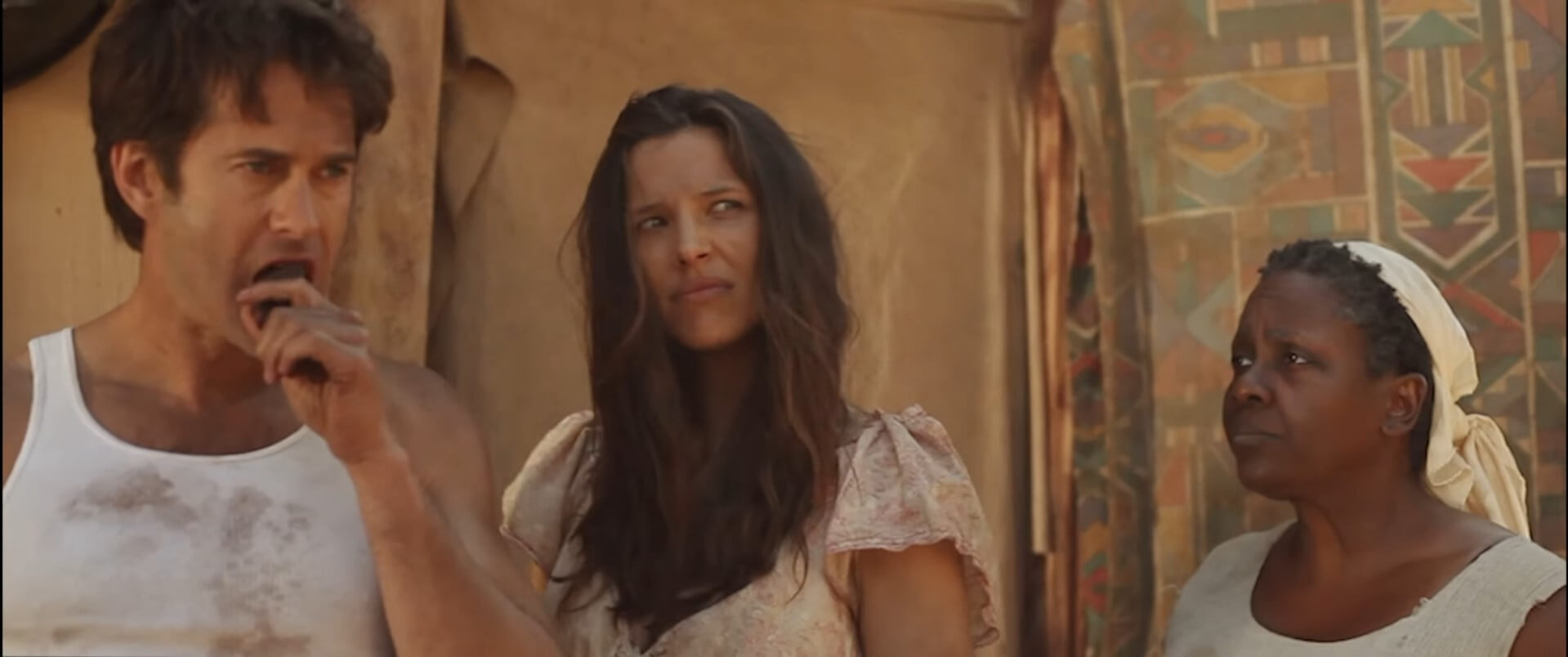
Sunshine. A similar dynamic is explored in the narrative foundation of Gabriel Bologna’s
White Devils. An adaptation of South African playwright Reza De Wet’s “Diepe Grond,”
White Devils explores the moral and mental decay of two siblings, Sussie and Frikkie
Cilliers (Chella Ferrow and Damon Shalit) amidst the Apartheid era. Moreover, the
arrival of a lawyer named Mr. Grové (Jonny Coyne) soon sends their isolated world into
an emotionally devastating tailspin.
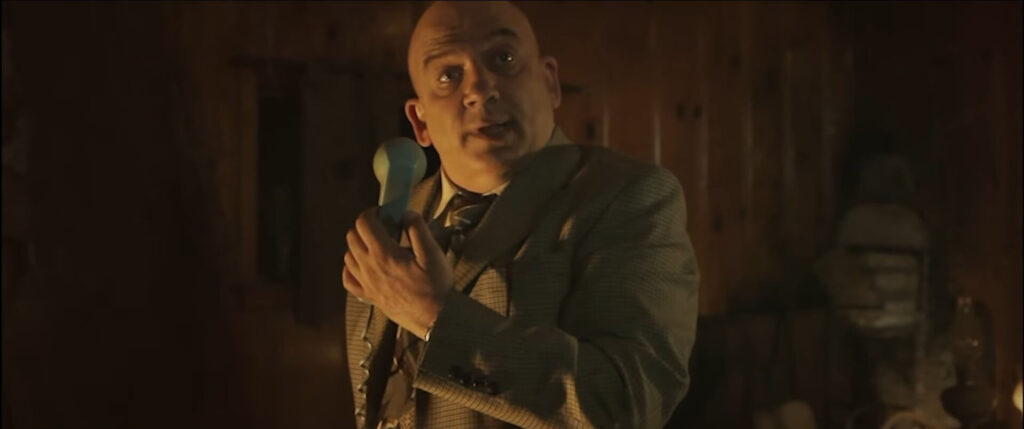
Much of what works in White Devils can be traced back to Reza de Wet’s source
material. It offers a unique lens of the South African Apartheid era, all while examining
its disturbing foundation though Sussie and Frikkie’s deteriorating lives. It’s not unlike
Les Liaisons Dangereuses, wherein the French aristocracy’s degeneracy was exposed
through the manipulations of the Marquis de Merteuil and the Vicomte de Valmont.
Narratively, they both heralded the fall of a regime sustained through normalized cruelty
and ethical corrosion. This allegorical foundation anchors the plot of White Devils, along
with the memorable performances given by the ensemble cast.
Conversely, the film’s shortcomings mainly lie in its direction and filmmaking. The film
doesn’t establish enough tension between its characters, nor does the tone of it
emphasize the psychological horror inherent in the story. There are earnest attempts
with revelatory flashbacks and disturbing flashes of violence, but an overall sense of
unease and dread is missing. Again, the performances are effective, but a lack of strong
direction leaves them feeling more rote than fully realized. While the source material
strengthens the film’s messaging, its theatrical origins create structural obstacles the
filmmaking never solves.
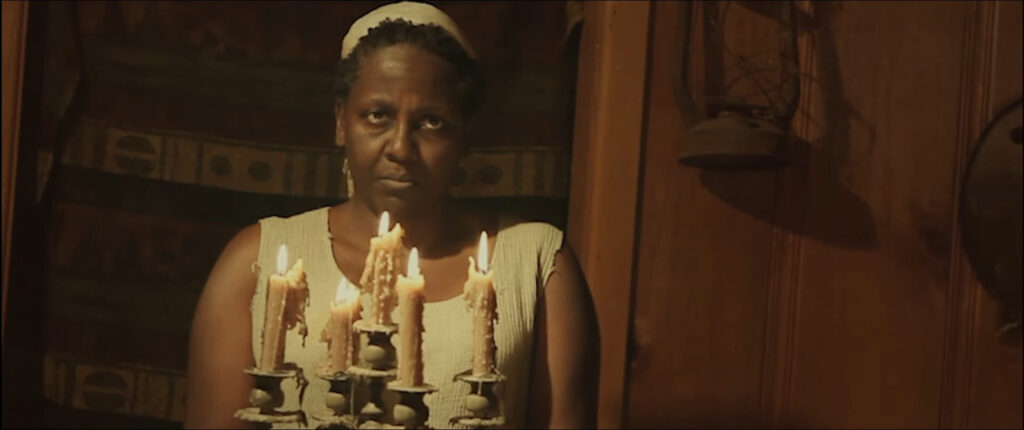
Like its stage counterpart, “Diepe Grond,” White Devils functions as a chamber piece,
prioritizing dialogue and intimacy over visual excess. In filmmaking, this structure has been proven capable of delivering memorable and engaging experiences on screen.
Yet this adaptation lacks the requisite heft needed to translate its dramatic pressure into
cinematic language. It chooses to tell the story to the audience, rather than engage
them with it.
If early childhood taught me the meaning of healthy family dynamics, then
adulthood—and the film medium—brought awareness of the opposite. White Devils has
a similar intention, simultaneously confronting the darker recesses of South African
history. While it succeeds at bringing Reza de Wet’s provocative prose to life, it
undermines its impact with uneven direction and filmmaking. Like Sussie and Frikkie
themselves, Gabriel Bologna’s film digs relentlessly for something it never fully attains.
Rating: 6/10