



by Rosa Parra
The time has come for James Cameron to take us back to Pandora and follow the next journey of the Na’vi, particularly the Sully family. Co-written and directed by Cameron, Avatar: Fire and Ash continues the story from The Way of Water, as the family encounters a new tribe.
There is no denying the game-changing impact this franchise has had on cinema, particularly in the viewing experience. The 3D format isn’t popular for most films anymore—except for Pandora. This format offers an immersive experience that is worth the extra cost. Cameron is a strong supporter of the theatrical experience and advocates for preserving filmmaking in its most practical form. The film opens with a short montage in which James emphasizes the importance of actors and how AI should never replace their work. The actors also appear, explaining how these characters feel relatable because motion capture allows for facial expressions and movements that depict human responses. This introduction was an excellent way to begin the film and reassured the acting community that their jobs are essential, emphasizing that there are still those who refuse to use AI as a substitute.
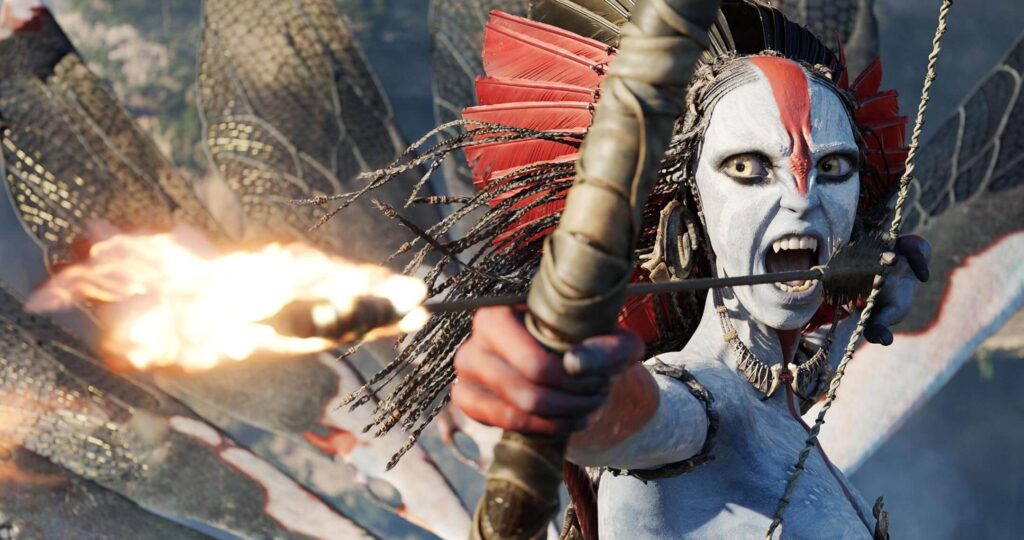
I don’t consider myself a big fan of the franchise, but I have come to appreciate these films for their visual spectacle. After revisiting the first two movies, I’ve gained a deeper appreciation for their portrayal of grief, imperialism, and our connection to nature.
This third entry matches the visuals of its predecessors and continues to take my breath away with its imagery. I’ve seen many of these scenes before, yet they’re still awe-inspiring. However, a visually stunning film doesn’t necessarily mean it’s a great film. Regarding its story, pace, and subplots, this film left me wanting more.
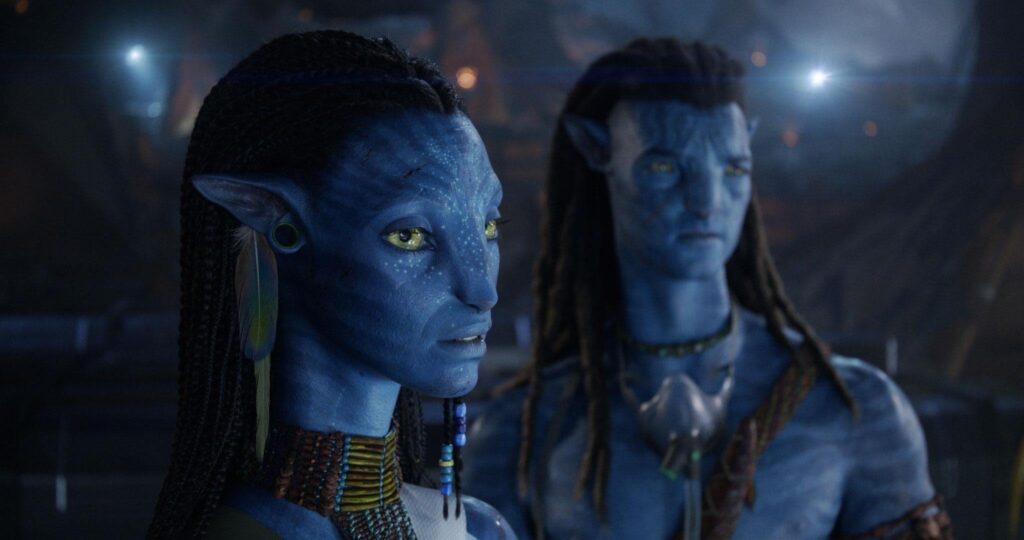
The story at times intrigued me, especially the exploration of grieving parents and how that affects decision-making, parenting, and individual mourning. One parent prefers solitude and takes a meditative, nature-connected approach, while the other avoids facing the grief directly. Instead, they focus on the present and internalize their pain. Although the focus here is on the grieving parents, the children and siblings are also mourning. Survivor’s guilt is evident, and personal guilt even surfaces, with constant rethinking of: “What could have happened if I had acted differently?”
At other times, the story captivated me, especially with the introduction of the Ash Tribe. Their intro is pretty badass. They’re a fearless and ruthless tribe focused on achieving their ultimate goal. But all their mystique and nuance disappear the moment they ally with Quaritch. They become a secondary subplot at best, and for a film titled Fire and Ash, it seems like both are missing.
The overall story is identical to The Way of Water. The third act is no different, except for the expanded scale, but the plot remains exactly the same. The character makes the same decisions that lead them to the same place as in the previous film. The stakes don’t feel as high, and the other subplots seem forgettable.
Overall, Avatar: Fire and Ash is a visually appealing option that fails to live up to its predecessors. Its repetitive story and unlikable characters drag the film down. Spider ranks as one of my least likable characters of all time.
Rating: 5/10