




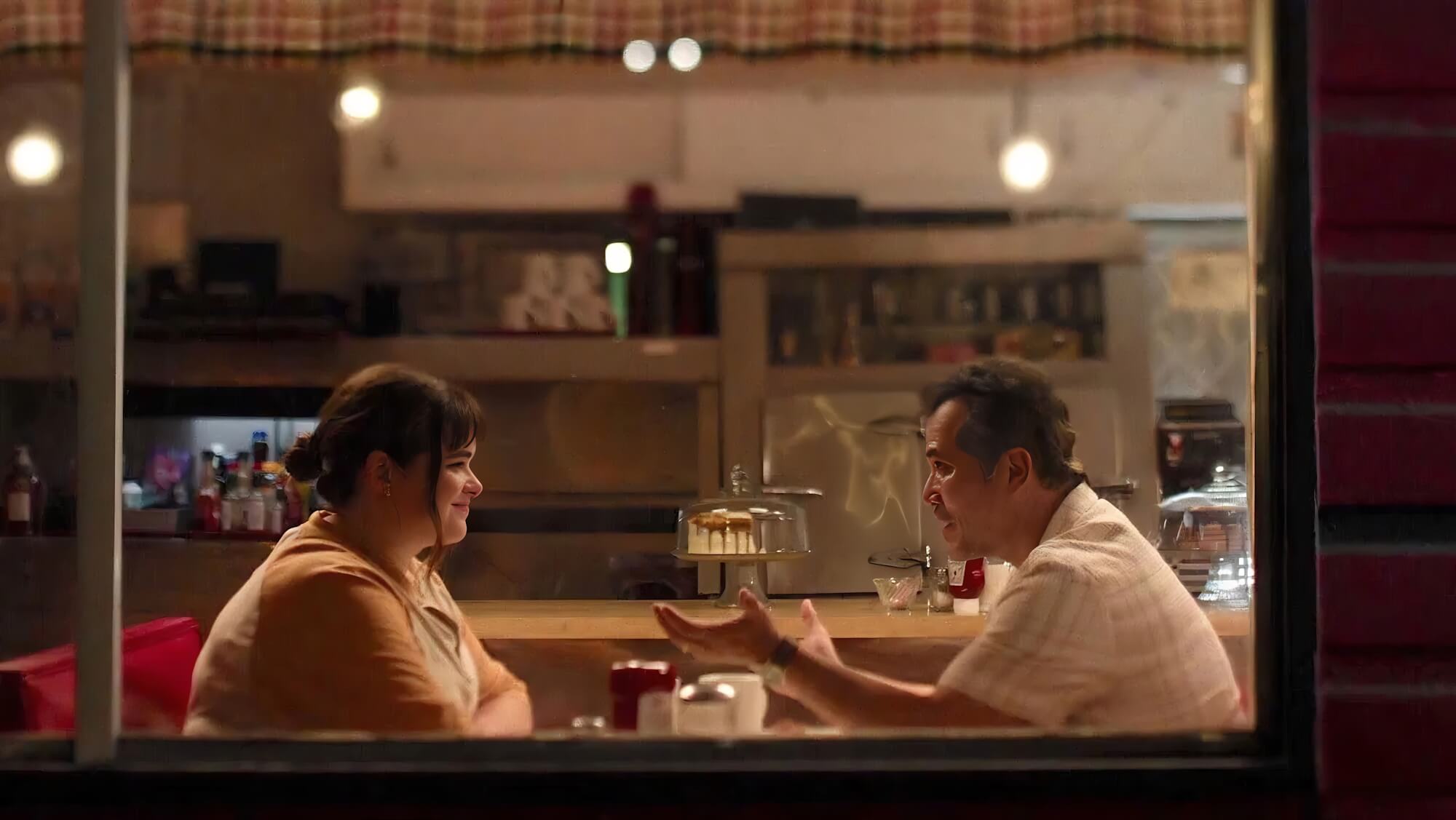
The emotional power of Bob Trevino Likes It lies in its narrative foundations.
By D. Movieman
“Sooner or later, though, no matter where in the world we live, we must join the diaspora,
venturing beyond our biological family to find our logical one, the one that actually makes sense for us. We have to, if we are to live without squandering our lives.”
― Armistead Maupin, Logical Family: A Memoir
Directed by Tracie Laymon, Bob Trevino Like It, is a film centers around Lily Trevino, a young live-in aide who struggles to make sense of her empty and isolated life
I find it difficult to fully surmise my perspective on family, friendship, and community as a
nearly middle-aged adult. Why? Well, I’ve watched it ebb and flow in drastic ways
throughout the years. From experiencing a tight-knit family unit as a child to navigating
devastating losses before adolescence, my own understanding and desire for community has been disorienting to say the least. Not to mention the befuddling nature of friendship groups and socializing throughout middle school, high school, college, and so on.
Ironically enough, some of my greatest realizations about family, friendship, and
community came as the result of a global pandemic. What does community really mean when the world is forced into isolation? What tenets of friendship survive when physical presence becomes impossible? Yet, as those questions consumed my thoughts, some of the deepest friendships I’d ever known began from a computer screen. A similar experience anchors Bob Trevino Likes It, where an unexpected connection is formed through the most unlikely circumstances.
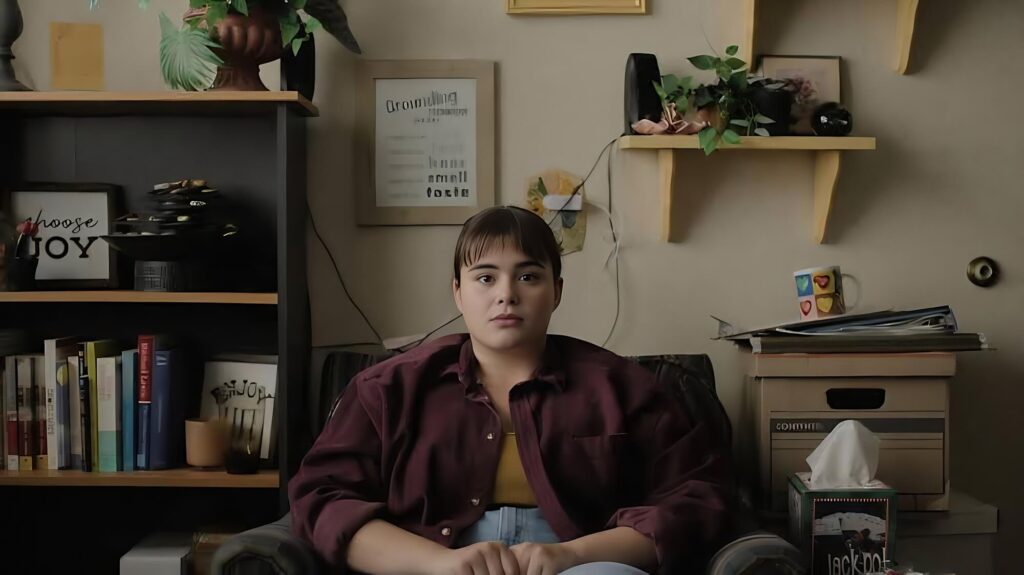
Directed by Tracie Laymon, the film centers around Lily Trevino, a young live-in aide who
struggles to make sense of her empty and isolated life. She finds little comfort in her
strained relationship with her absentee father, who prioritizes casual dating over
parenting. After a period of estrangement, a case of mistaken identity leads her to form an online connection with “Bob Trevino,” a stranger who happens to share her father’s name. Soon, what begins as a casual, virtual interaction between the two develops into a transcendent bond that transforms both of their lives.
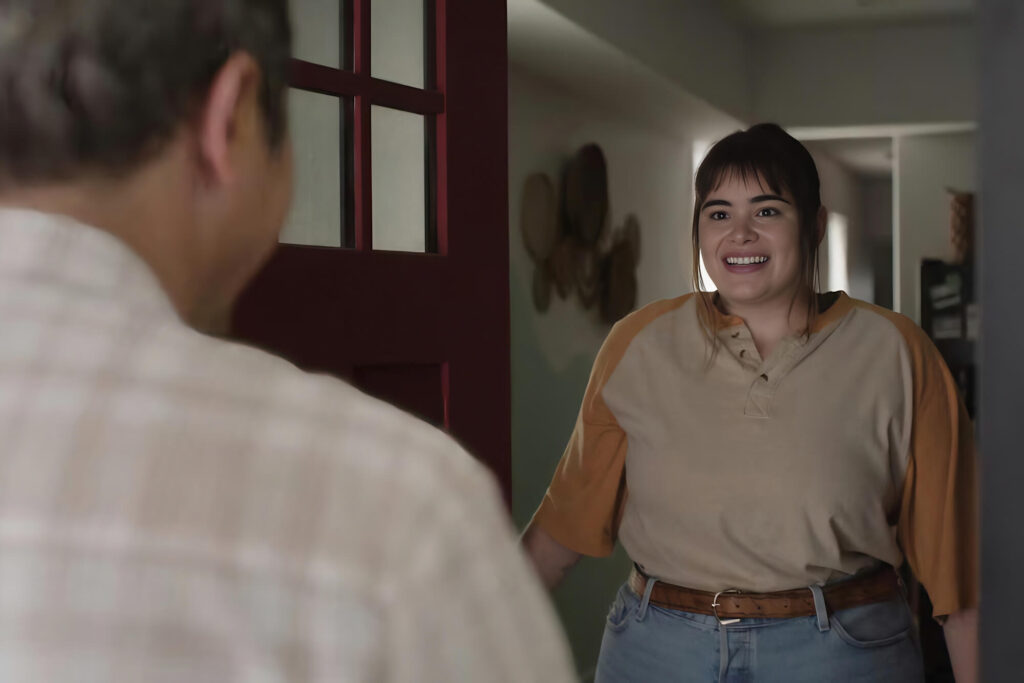
Much of the emotional power of Bob Trevino Likes It lies in its narrative foundations. The
basis of its story is semi-autobiographical, drawing on Laymon’s personal experiences.
Like her on-screen counterpart Lily, Tracie developed a real-life relationship with a stranger who shared her father’s name. As an ardent supporter of indie films, I find that their effectiveness lies in their authenticity and character-driven storytelling. So, it’s only fitting that this film anchors its central relationship with delightful charm and warmth.
Speaking of which, both lead performances are beautifully realized. Barbie Ferreira’s post-Euphoria trajectory has been wonderful to witness. Here, she effortlessly captures Lily’s inner turmoil and fragility, as well as her dawning hope and confidence. I’ve always found John Leguizamo—whom I first encountered in Romeo + Juliet, Spawn, and Doctor
Doolittle—to be an underrated actor. Unsurprisingly, as the eponymous Bob Trevino, he
offers a measured and understated performance. Most importantly, both characters are
allowed to display flaws and imperfections that complicate their lives but also enrich their journey together. Finally, I must acknowledge the supporting turns from French Stewart as Robert Trevino, Lily’s biological father, and Rachel Bay Jones as Jeannie, Bob’s wife.

The only element that detracted from the film was the somewhat limited screentime
allotted to Lily and Bob’s developing relationship. This is understandable, given the
restraints put in place by indie film budgets and shooting schedules. However, I also think seeing more of their rapport together would have enhanced the emotional complexity of the story even further.
Like the journey of self-discovery and connection that Lily undergoes, I learned to stop
building my own life on the trauma and disappointments of the past. I also eventually
understood that a true community could thrive beyond proximity and convenience. The
unexpected friendships I formed during the pandemic became more than a personal
experience; they became a lens through which I understood Bob Trevino Likes It. Both my
experience and the film suggest that the deepest relationships are not always those we
anticipate, but those forged through vulnerability, kindness, and mutual connection in
unlikely places.
Rating: 8/10