



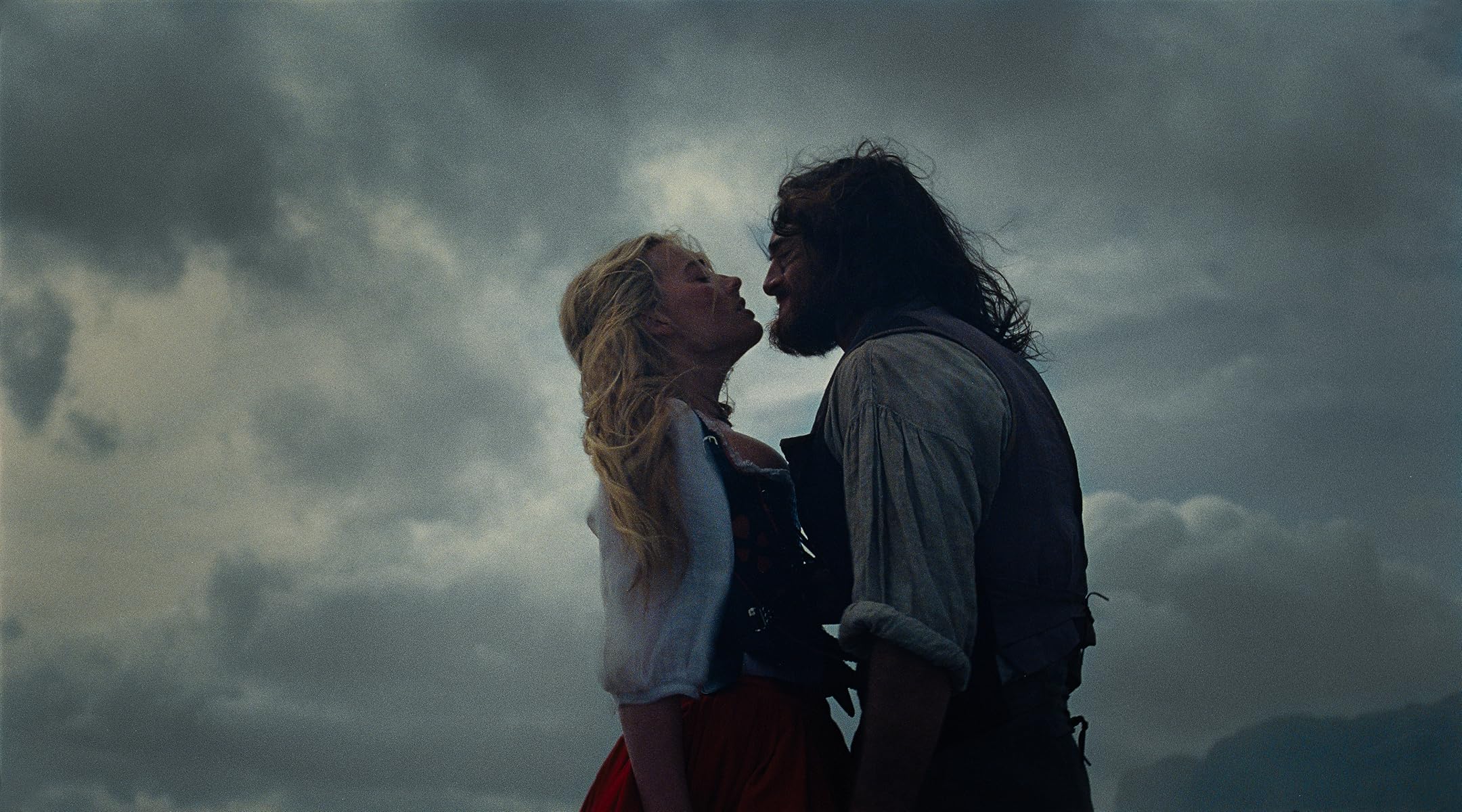
Emerald Fennell’s Wuthering Heights is a lush, scandalous, and deeply cinematic reimagining of Emily Brontë’s classic novel, starring Margot Robbie, Jacob Elordi, and Hong Chau. Full transparency: I’ve never read the original book nor seen previous adaptations, so I approached this purely as a film fan, which allowed me to fully experience Fennell’s distinct take on the story.
Set on the bleak, windswept moors of Northern England, the film follows the turbulent bond between Catherine Earnshaw (Robbie) and Heathcliff (Elordi), an orphan taken in by her family. Raised together at the isolated Wuthering Heights estate, their connection defies social class and convention. As circumstances pull them in different directions, their relationship reverberates across years, leaving scars rooted in love, resentment, and longing.
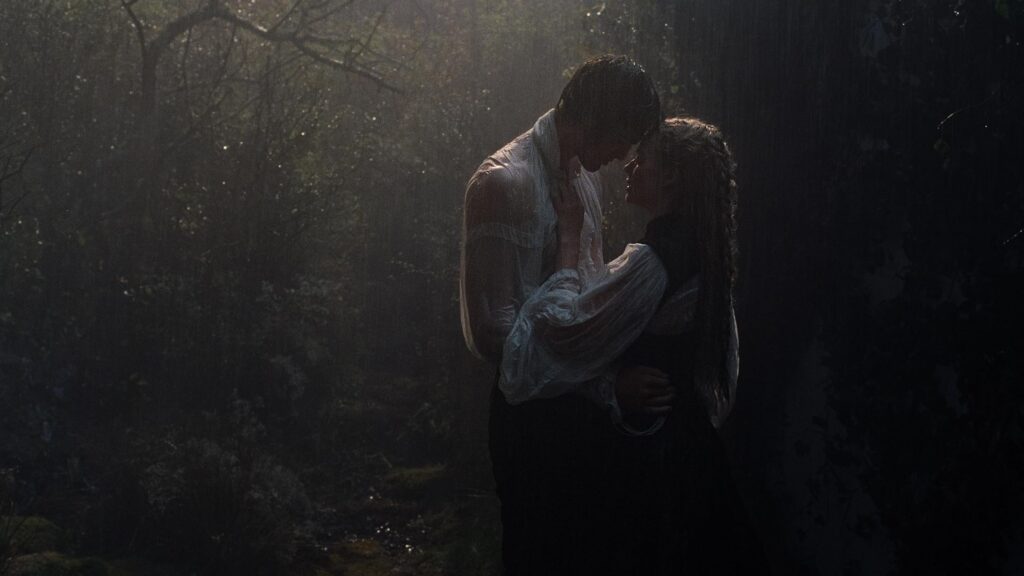
From the outset, the film immediately impressed visually. Fennell, known for her cinematic eye, delivers a gorgeously crafted experience. The costume and set design, locations, and cinematography all contribute to a lush, immersive world that captures both the characters’ bleakness and moments of love and romance. Anthony Willis’s orchestrated score blends seamlessly with original songs by Charli XCX, giving the film a contemporary energy while maintaining the period atmosphere. Sound, wardrobe, makeup, and overall production design are all expertly handled, elevating the narrative.
Robbie and Elordi carry the film with compelling performances. Robbie imbues Catherine with a mix of fiery independence and vulnerability, a character who captivates even when her decisions are morally complex. Elordi’s Heathcliff is intense and brooding, showcasing the actor’s growth into fully realized dramatic work. Their chemistry is palpable, particularly in the film’s romantic and scandalous sequences, creating a tension that keeps audiences engaged. Hong Chau, as Nelly, adds depth to the supporting cast, complicating relationships and heightening the emotional stakes.
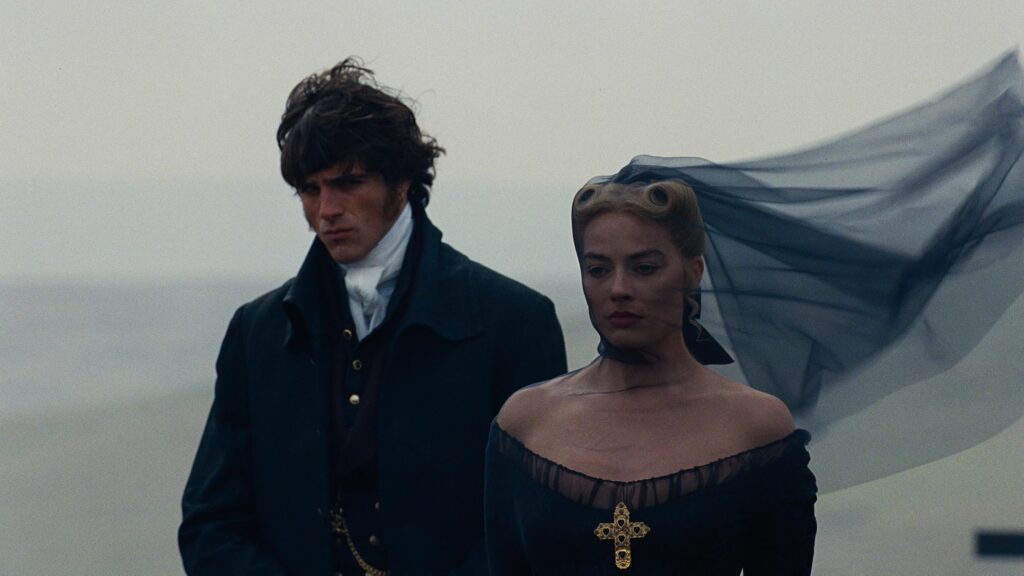
Narratively, the film is scandalous and intoxicating. It portrays obsession, toxic love, and morally gray behavior, keeping viewers invested in the characters’ choices even when they’re destructive. The sexual tension and romance are effectively conveyed without explicit nudity, relying on performances, framing, and music to evoke intimacy. The story’s pacing is mostly strong, though the early years of Catherine and Heathcliff’s relationship occasionally feel rushed. The third act, while still emotionally resonant, loses some momentum and concludes with a tragic ending reminiscent of classic romantic tragedies.
Despite minor pacing issues and a less-than-satisfying conclusion, Wuthering Heights succeeds as a visually stunning, well-acted, and emotionally engaging film. It’s the perfect film for audiences drawn to heightened romantic drama—scandalous, sexy, and immersive—while showcasing Emerald Fennell’s signature style and meticulous filmmaking. For those familiar with previous adaptations, it offers a fresh take that rewards discussion and reflection on the director’s creative choices.
Rating: 7.5/10