



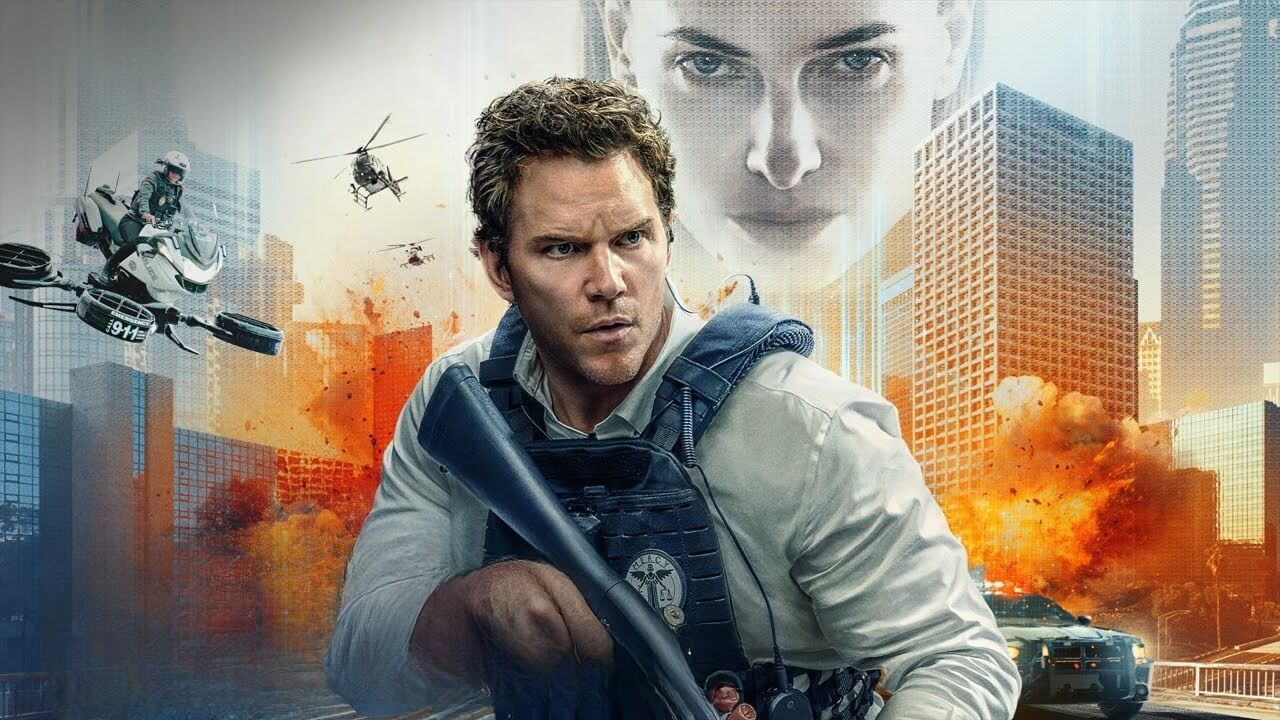
Mercy is a film I went into with tempered expectations. In the days leading up to its release, I’d been hearing a lot of negativity surrounding it, especially after it played as a mystery screening at AMC and Regal locations. Unfortunately, work kept me from catching it early, but I was finally able to check it out through AMC A-List—and after seeing it, I can’t help but feel like this movie is being judged a bit too harshly.
Directed by Timur Bekmambetov, Mercy stars Chris Pratt, Rebecca Ferguson, Kali Reis, and Chris Sullivan in a near-future sci-fi thriller that’s far more engaging than its early reputation suggests. While I wouldn’t call it phenomenal, I do think it’s a solid, entertaining film that doesn’t deserve to be lumped in with the “worst of the year” conversations this early on.
Set in Los Angeles in 2029, Mercy imagines a world where an advanced AI-driven justice system presumes suspects guilty until proven innocent. Chris Pratt plays Detective Chris Raven, one of the architects behind this system, who awakens restrained and accused of murdering his wife. With just 90 minutes to prove his innocence, Raven must comb through digital evidence—body-cam footage, surveillance, social media records—while pleading his case before an AI judge named Maddox, voiced and embodied by Rebecca Ferguson.
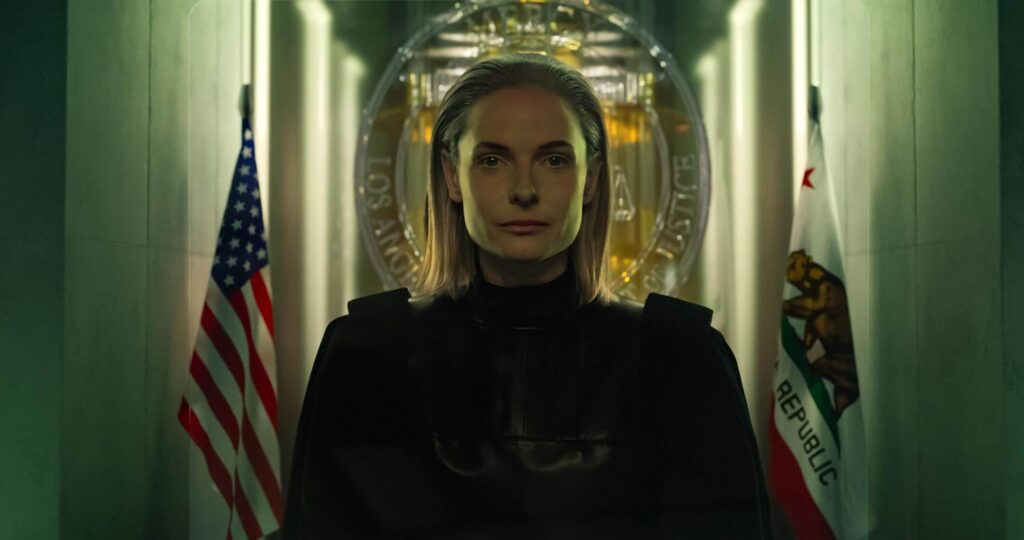
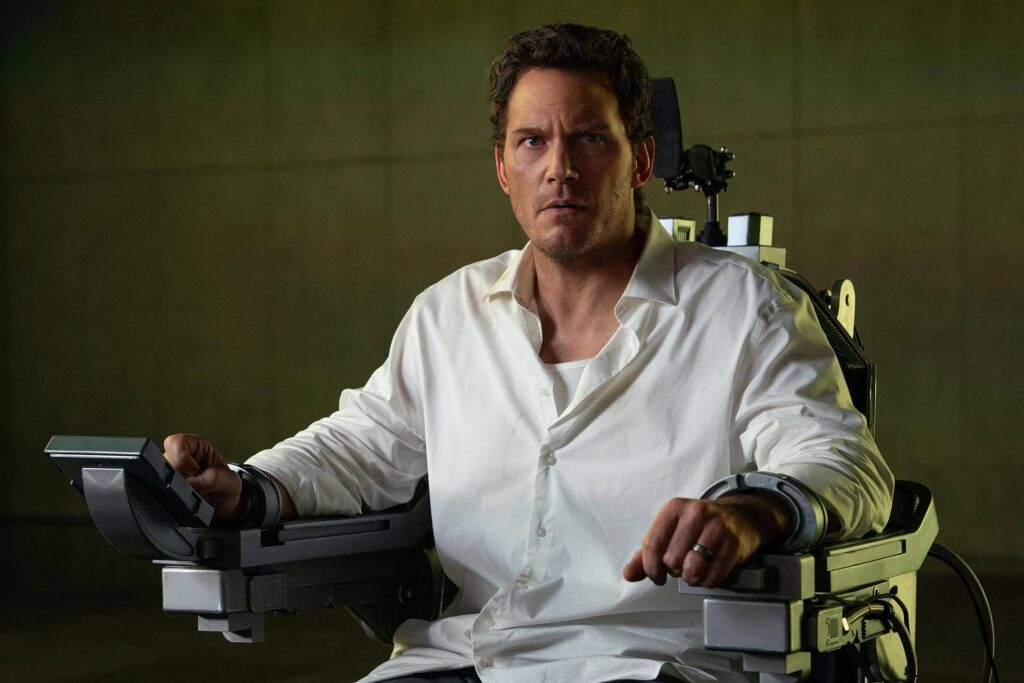
At its core, Mercy functions as a hybrid between a chamber piece and a screen-life film. Much of the movie takes place in a single room, with Raven strapped to a chair opposite the AI judge, while the world expands around him through projected environments, video calls, and digital reconstructions. It’s an interesting visual approach that blends isolation with constant information overload, and while it isn’t reinventing the screen-life format, it does enough differently to keep things from feeling stale.
That said, the film is undeniably heavy on exposition. Much of the mystery unfolds through characters explaining information rather than letting the audience uncover it organically, which can dull some of the investigative tension. At times, it feels like you’re being fed answers rather than actively solving the puzzle alongside the protagonist. Still, the pacing is strong enough—and the runtime lean enough at around 100 minutes—that the film remains engaging despite those shortcomings.
Performance-wise, the clear highlight is the dynamic between Chris Pratt and Rebecca Ferguson. Pratt delivers a familiar performance—solid, dependable, but not among his most memorable work. Ferguson, however, brings nuance to a role that could have easily felt cold or one-note. As an AI designed to be impartial and unemotional, she subtly conveys restraint, curiosity, and conflict, making Maddox one of the film’s most compelling elements. Their scenes together are easily the most cinematic and effective parts of the movie.
Where Mercy stumbles most is in its supporting material. Several of the side characters and action beats—particularly those involving CGI chases and remote footage—feel oddly artificial, at times resembling theme park pre-show visuals more than grounded storytelling. These moments pull focus away from the more intimate psychological duel at the film’s center and slightly undercut its tension.
Thematically, Mercy flirts with some timely ideas about artificial intelligence, justice, and accountability, though it never fully commits to a clear stance. The film seems torn between warning against AI autonomy and acknowledging its usefulness as a tool when paired with human judgment. While that ambiguity may frustrate some viewers, I found it reflective of the broader uncertainty surrounding AI in the real world.
Ultimately, Mercy is not a must-see sci-fi thriller, nor is it destined for any year-end lists—but it’s far from a disaster. It’s a well-paced, competently made film with a strong central concept and a standout performance from Rebecca Ferguson. While it arguably feels more suited to a streaming release than a premium theatrical format like Dolby or IMAX, I still walked away glad I saw it on the big screen.
This is one of those cases where I find myself at odds with the early consensus. Mercy isn’t exceptional, but it’s perfectly watchable, occasionally engaging, and far more thoughtful than its harshest critics give it credit for. If nothing else, it’s a reminder that not every genre exercise needs to reinvent the wheel to be worthwhile.
Rating: 6.5/10