



by D. Movieman
“Where does seeking justice end and seeking vengeance begin?”
― Paula Stokes
One of the greatest reckonings of my adulthood was facing the reality of good and evil.
We are taught as children in the certainty of good triumphing over evil. As a result, all
will come to a happy end. Or will it? While I do believe in the power of goodness, faith,
and kindness, the greater reality is far more grim.
In the series Desperate Housewives, the omniscient narrator Mary Alice asks, “Why
do we try to define people as simply good or simply evil?” Her answer: “Because no one
wants to admit that compassion and cruelty can live side by side in one heart….and that
anyone is capable of anything.” What happens then, when the greatest evil reveals
itself—and the system of law, order, and justice proves insufficient? This is the moral
quandary that ultimately defines Maldoror.
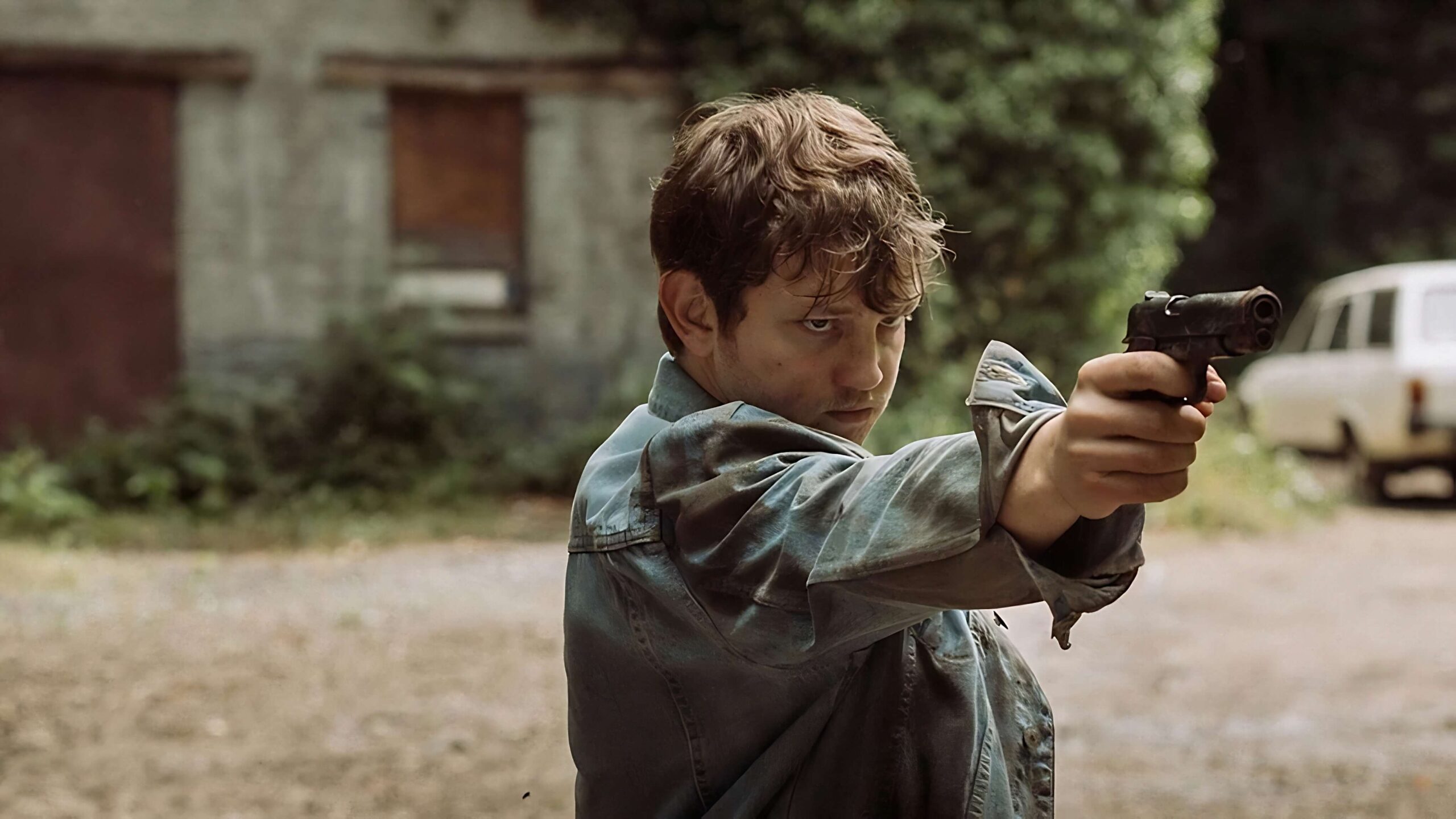
Directed by Fabrice Du Welz, Maldoror explores the story of Paul Chartier, a hopeful
young police officer eager to prove himself within the gendarmerie. Assigned to the
eponymous secret unit known as “Maldoror,” he becomes involved in an operation
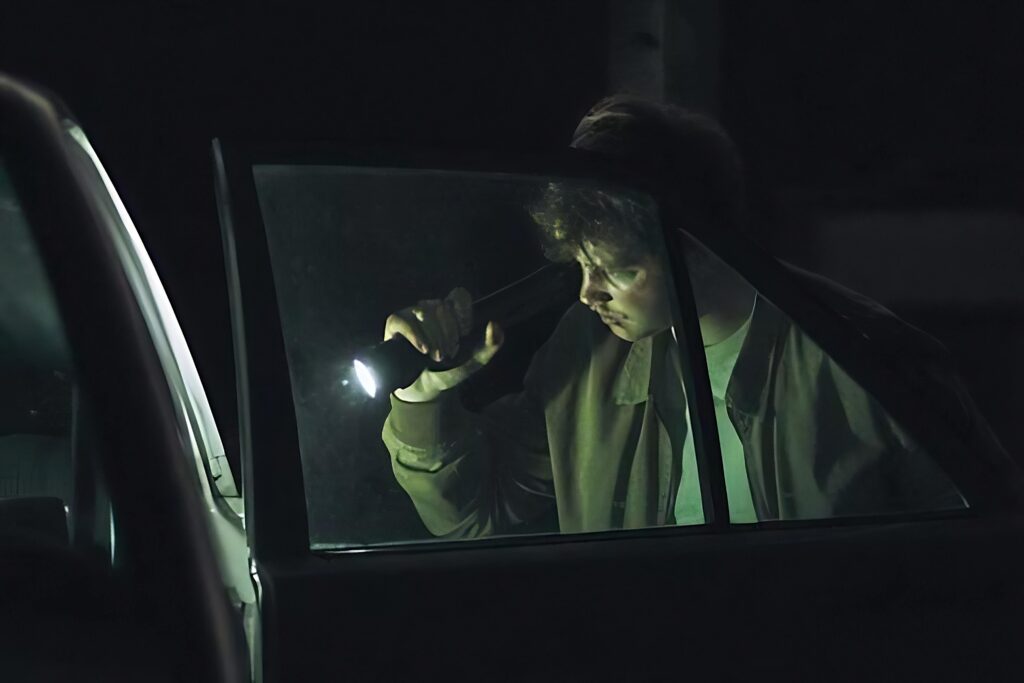
tasked with observing and following a dangerous sex offender. The investigation,
however, quickly falls prey to the deficiencies of the police force and legal system.
Consequently, Chartier is led down an obsessive path of vengeance as he takes the
hunt into his own hands.
One of Maldoror’s most effective elements—namely its story—is also one of its most
disturbing. This sentiment can be attributed to the film’s basis in reality—as well as
historical criminal cases. Maldoror’s story is partially based on the Affaire Dutroux, a
controversial crime case that eventually reshaped Belgium’s law enforcement system.
While I won’t delve into the particulars of that case, what matters is how the film
parallels the systemic failures of the judicial process.
Through Paul’s eyes, we see the emotional unraveling of a man whose desire to enact
justice is brought to naught. Despite the happiness of newlywed bliss, the case steadily
displaces everything else of value in his life. Anthony Bajon captures this uncomfortable
descent into obsession with a measured performance. The film also utilizes a haunting,
recurring score that I found both beautiful and deeply unsettling. Incorporating the
sound of a cheerful whistle, the contrast of hopeful innocence against the horror of
innocence undone is emphasized to devastating effect.
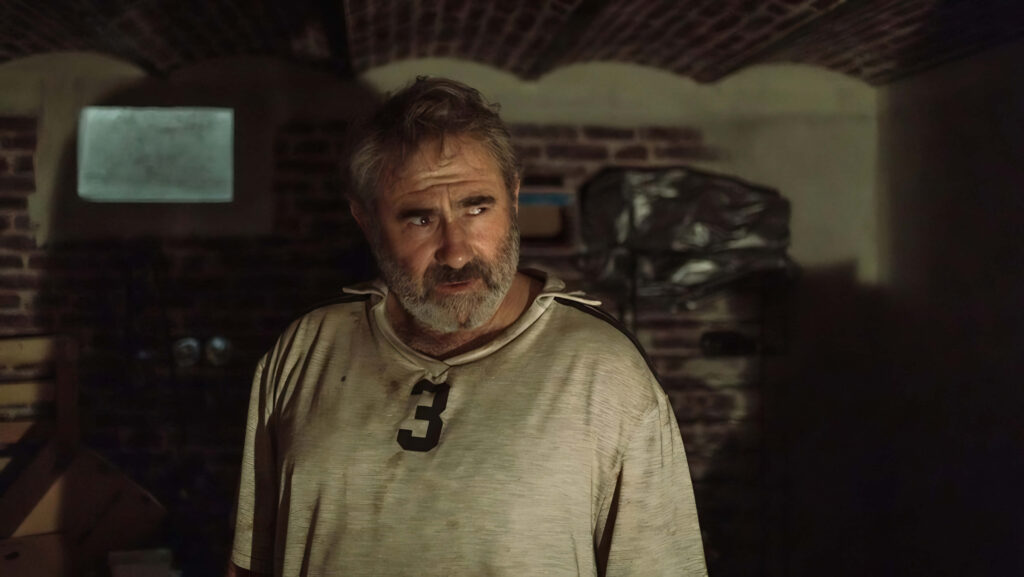
What ultimately undercuts these strengths is the film’s inability to provide a coherent
and emotionally resonant story. This becomes painfully evident with the film’s runtime,
which is stretched to an excessive 155 minutes. I’m no stranger to longer films—it ultimately comes down to content and execution. Unfortunately, Maldoror struggles to
justify its excess. It becomes lost in a cacophony of supporting characters and
underdeveloped subplots that add little narrative value. Moreover, the film lacks an
overall sense of tension and unease, ultimately diminishing the emotional weight of its
subject matter.
Like the central figure in Maldoror, I eventually learned that evil is not overt or easily
realized. It simply hides under the guise of normalcy. The distinction of good and evil
found in childhood gives way to something frighteningly covert. Sadly, Maldoror never
confronts this revelation with narrative impact, settling instead for something far more
convoluted and inert.
Rating: 6.5/10