



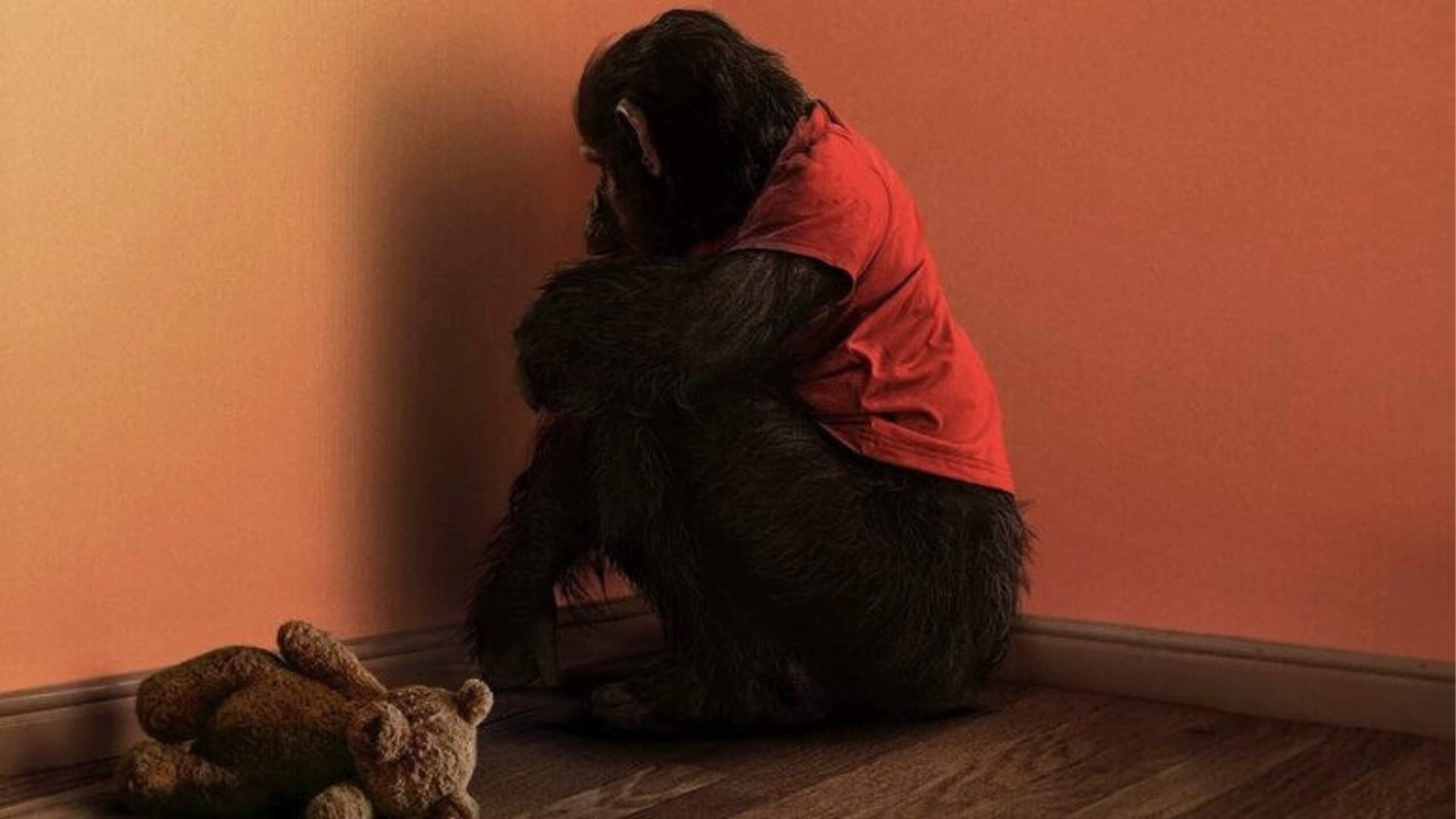
Primate, directed by Johannes Roberts and co-written by Roberts and Ernest Riera, is the first film of 2026 that I’ve had the chance to check out, and it firmly lands in that familiar January horror territory. These early-year horror releases are often hit or miss. Sometimes they’re forgettable, and sometimes they end up being fun, scrappy genre entries that know exactly what they are. In this case, Primate is very much the latter.
The film stars Johnny Sequoyah, Jessica Alexander, Troy Kotsur, and others, and it wastes no time establishing its premise. The story follows a group of friends on a tropical vacation that turns into a nightmare when their family’s pet chimpanzee, Ben, is bitten by a rabid animal and becomes violently unpredictable. What begins as a laid-back getaway quickly turns into a desperate fight for survival as the group is forced to outsmart a creature that combines raw animal aggression with unsettling intelligence.
I’m happy to say right away that I had a good time with Primate. This is the kind of movie many people will walk out of and describe as “dumb fun,” and honestly, that feels like the most accurate label. Depending on your taste in horror, mileage will vary, but as someone who enjoys gore-heavy slashers, this one worked for me. It is lean, moves quickly, and at just under 90 minutes, it never feels like it is wasting your time.
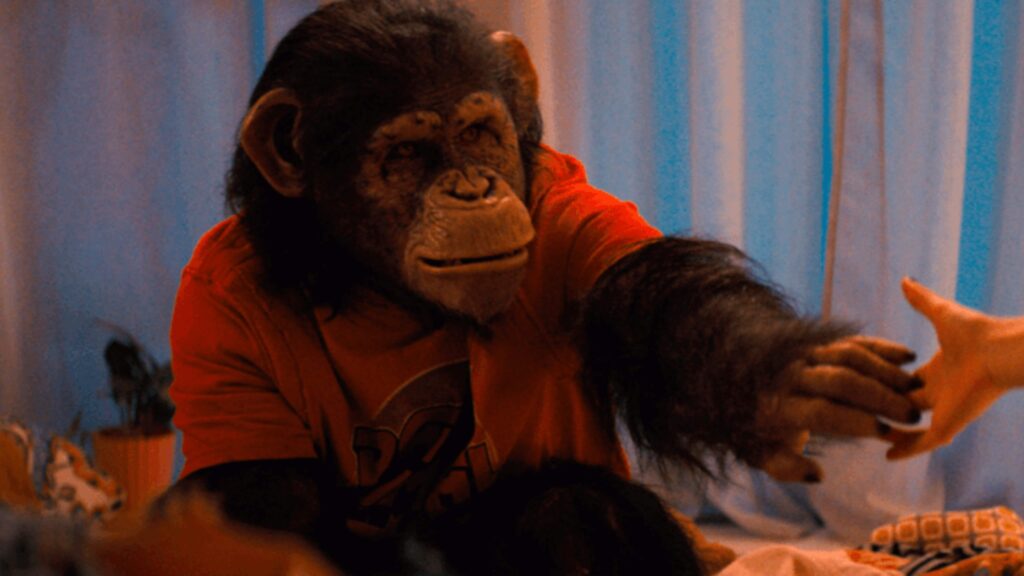
This is not a film concerned with deep character development, memorable dialogue, or layered storytelling. Instead, it thrives as a situational horror movie. The appeal comes from watching a group of people trapped in an absurdly dangerous scenario and seeing how they try to survive it. The film knows this, embraces it, and leans into the chaos rather than pretending to be something more elevated.
One of the biggest strengths of Primate is its use of practical effects. As a longtime horror fan and a lover of slashers, I appreciated how much of the blood, guts, and gore was done practically. While there are some digital enhancements, much of the violence feels tactile and old-school, and it sets the tone immediately. The kills are effective, and while seasoned gore fans are not likely to look away, there are definitely moments designed to make audiences squirm.
The chimpanzee itself is another pleasant surprise. In an era where animals like this are often rendered entirely through CGI, Primate relies heavily on a practical suit and performance, with actor Miguel Torres Umba inside the costume. There are some digital touches here and there, but for the most part, Ben feels physical and present. While there are moments where the character edges into goofiness, the performance is often genuinely ominous, and the illusion holds. At a certain point, your brain accepts what it’s seeing, which is no small feat.
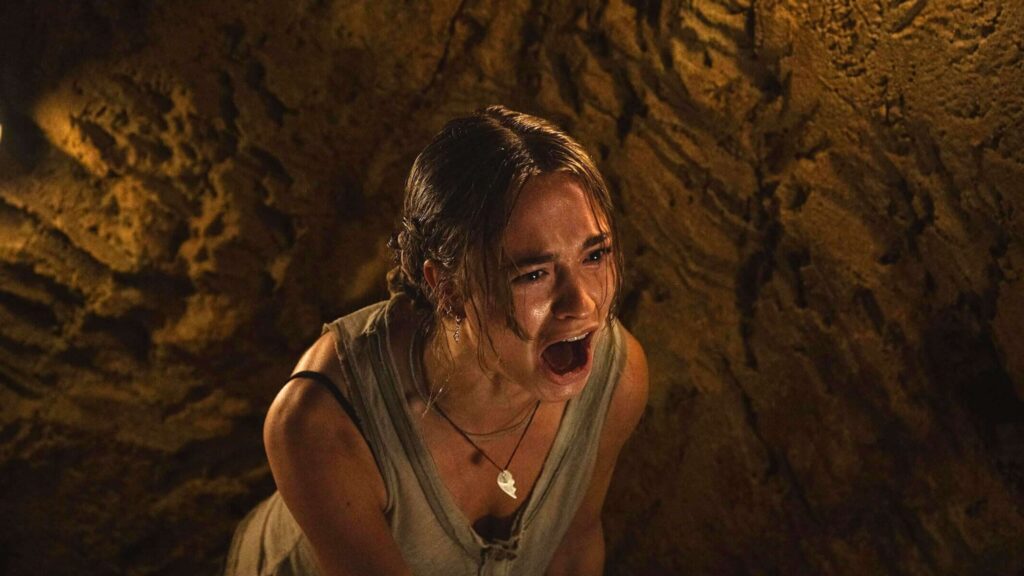
The film is also competently shot with a musical score that feels reminiscent of horror scores from the 70s, 80s, and 90s, occasionally blended with modern electronic elements. The score does a solid job heightening tension during the film’s more frantic sequences and helps keep the energy up throughout.
Troy Kotsur stands out among the cast. While he is not heavily featured, his presence adds something unique to the film, especially through the use of sign language, both with the chimp and with other characters. I enjoyed seeing him here and wished the film had made more use of his character. Still, the rest of the cast does what the movie asks of them, convincingly portraying fear and panic as the situation spirals out of control.
Where Primate becomes more divisive is in its approach to story and character. This is very much a trope-heavy slasher-style movie. The characters largely exist as archetypes, and several are clearly introduced for the sole purpose of becoming fodder for the chimpanzee. There are moments where this padding is obvious, including the introduction of characters who serve no real narrative function beyond extending the body count. As a critic, that lack of necessity is noticeable, even if it did not personally bother me while watching.
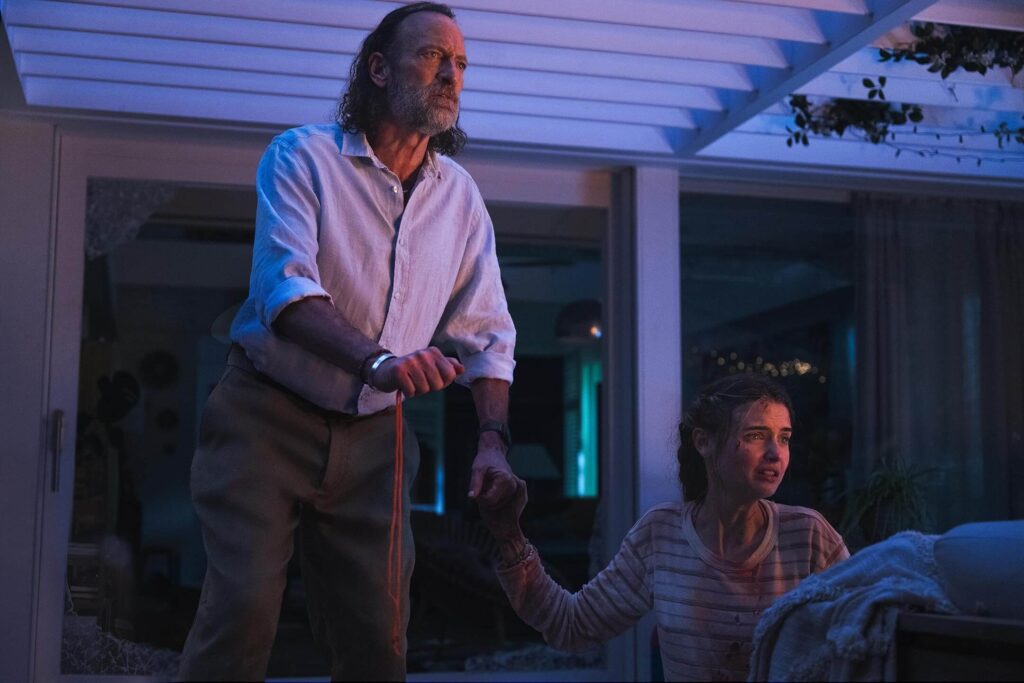
The film also leans into heightened, movie-style logic when it comes to the chimpanzee’s behavior. Rather than depicting rabies in a realistic way, the movie frames Ben as a kind of slasher villain, complete with calculated actions and moments of psychological intimidation. For some viewers, especially animal lovers, this portrayal may be uncomfortable or frustrating. The film clearly prioritizes entertainment over realism, turning Ben into a monster rather than a tragic animal reacting on instinct.
Despite these issues, Primate succeeds at what it sets out to do. It is fast-paced, consistently engaging, and self-aware enough to avoid overstaying its welcome. It is not a film I expect to revisit often, nor is it something I see landing on a best-of-the-year list, but it is a fun way to kick off the year. The kind of movie that benefits from a lively audience, where people react, groan at bad decisions, and talk back to the screen.
Ultimately, Primate is a well-made January horror flick that delivers gore, tension, and a memorable creature through strong practical effects. It is silly, violent, and unapologetically trope-filled, but it embraces those qualities rather than fighting them. If you know what you are walking into and are in the mood for a communal, crowd-pleasing slasher experience, Primate does the job.
Rating: 7/10