


By D. Movieman
“Revenge is like a poison. It can….it can take you over. Before you know it, turn us into
something ugly.”
— Aunt May, Spider-Man 3 (2007)
As children, we often have a variety of fears; many of which are fairly irrational. One of my fears was beauty supply wig mannequins. It seems silly now, but there was something about their stares, disembodied heads, and painted faces that deeply disturbed me then. As an adult, my fears are far more existential. For instance, the fear of being unable to protect the people I love from the many cruelties of the world. This distinctly adult fear permeates the desolate world of Gangland.
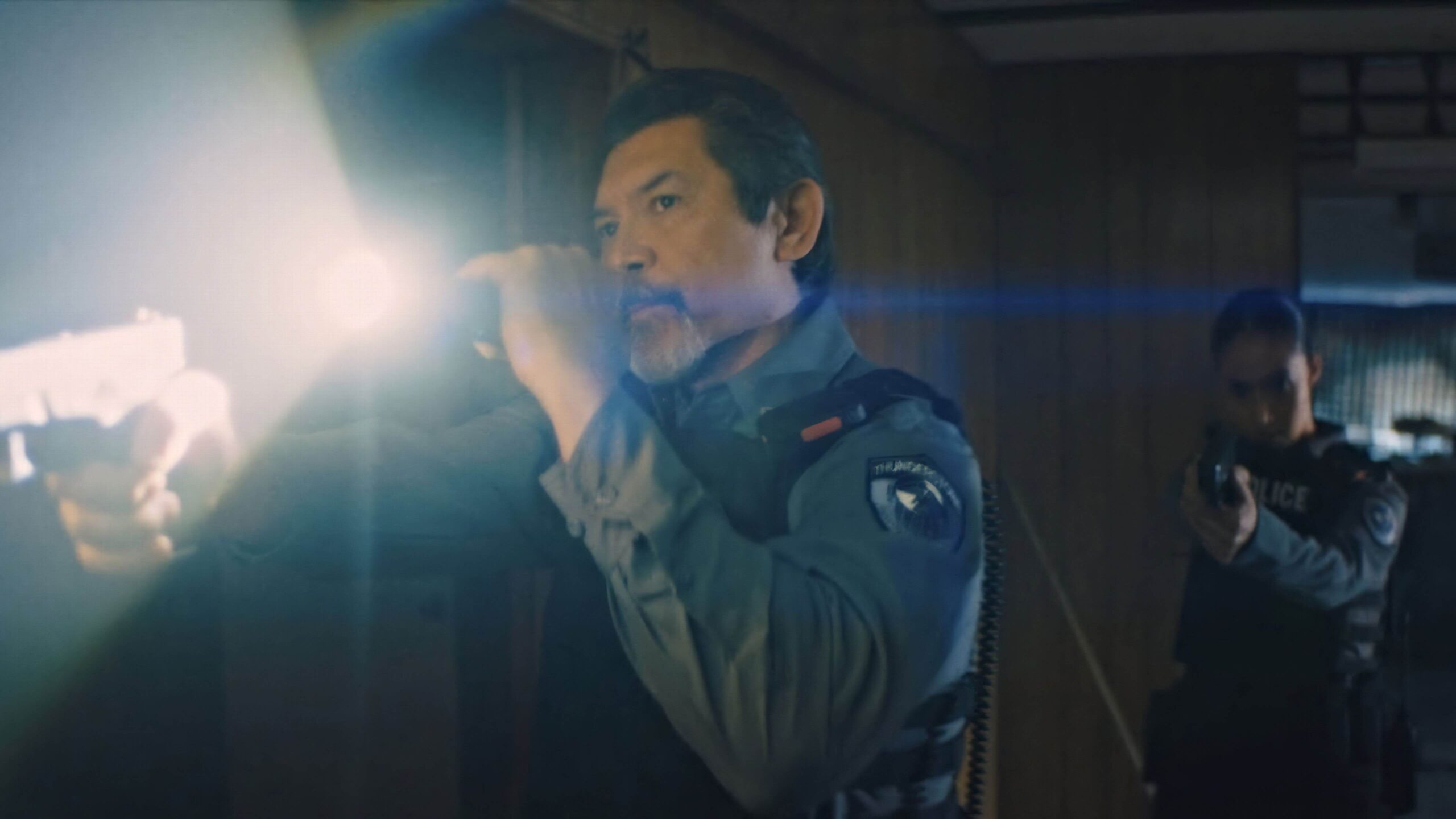
Directed by Vincent Grashaw, the film is centers around Teddy Sharpe, a self-assured but jaded police officer who must contend with a new by-the-book trainee. When a vengeful ex-con returns to the local Indigenous reservation, he begins to ignite a new wave of corruption and violence. When Teddy’s son becomes caught in the crossfire, he is forced to revisit disturbing secrets of the past to protect his community’s future.
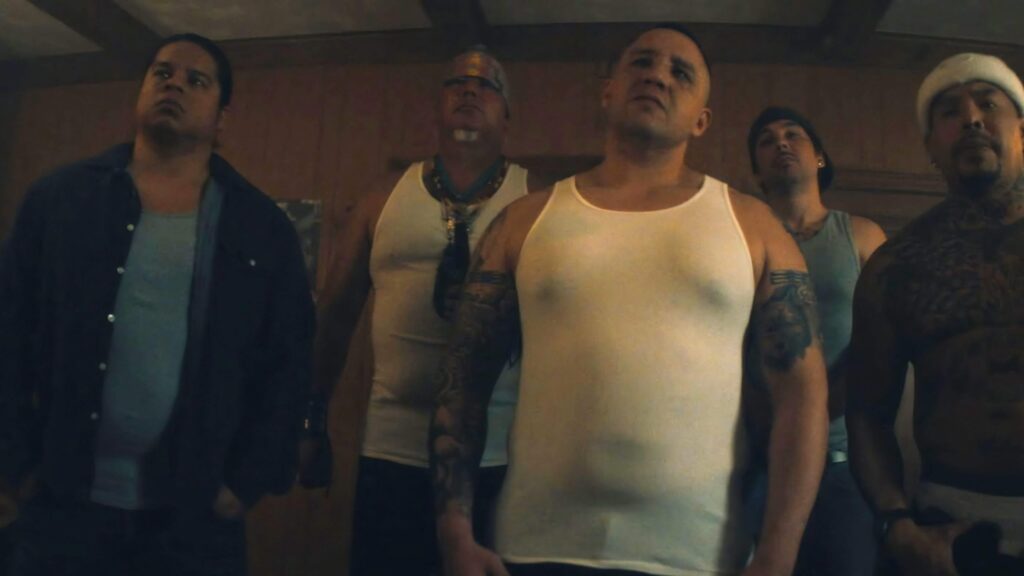
My greatest appreciation for Gangland lies with its lead actor, Lou Diamond Phillips. As a
student, I was first introduced to him through his performance in Stand and Deliver, which I watched during math class. With four decades of performances under his belt, I’m pleased to say he delivers (no pun intended) yet another charismatic one here. His strongest moment comes when Teddy finally reveals the terrible catalyst for the community’s crime-ridden culture. It’s a sobering moment that not only reveals Teddy’s emotional trauma but also reflects moral and systemic failures that can undermine society as a whole.
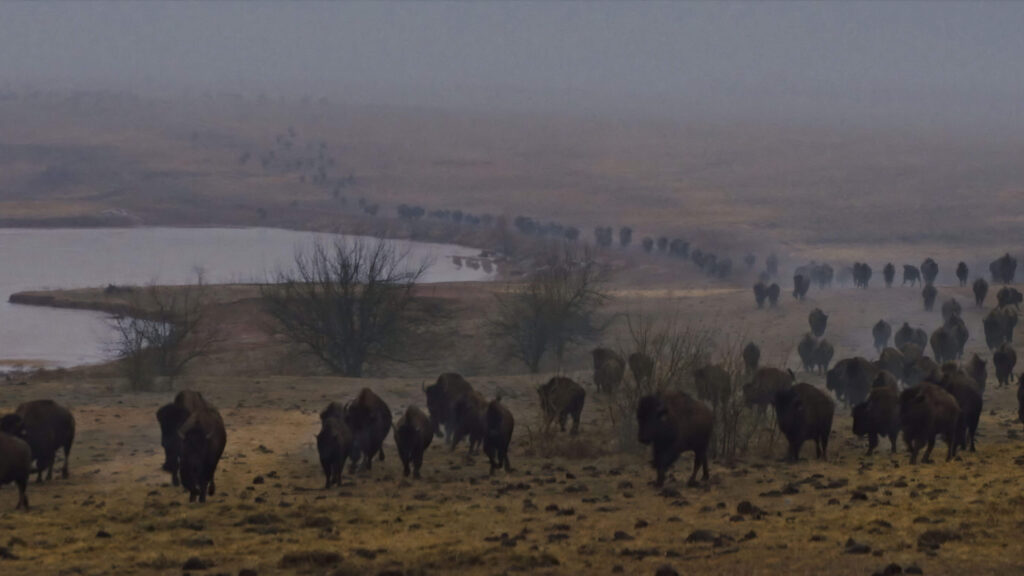
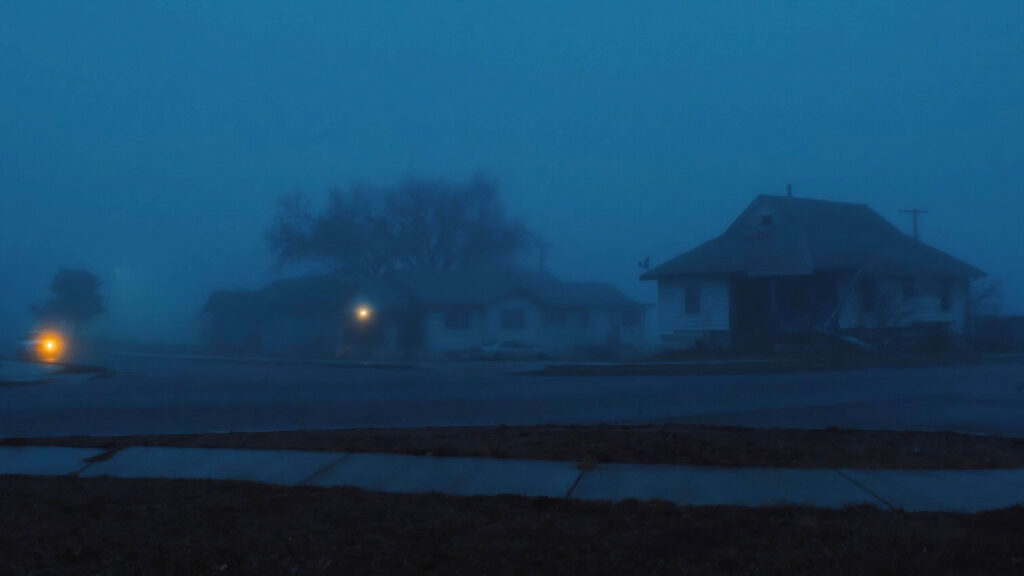
Finally, Gangland makes use of some stunning cinematography through light, color, and framing. My personal favorite shot involves Teddy driving through town in the early
morning. The blue-hued, misty imagery of the desolate streets are then juxtaposed with a herd of bison racing across the thriving plains. Given the film’s Indigenous foundations,
there seems to be an unspoken recognition of the cultural ties to land, ancestry, and
spirituality. It’s a stunning moment that I wish the story made greater use of.
Despite its strengths, there are some evident weaknesses that limit the story’s potential.
For one thing, while Lou Diamond Phillips’ performance is the film’s brightest spot, it
highlights the shortcomings from others in the cast. None of the supporting characters are nearly as compelling from a writing or acting standpoint. I found the underutilization of Kimberly Guerrero (as Dyani, Teddy wife) especially disappointing after her memorable turn in It: Welcome to Derry last year. I also didn’t feel there was enough nuance in the creation of the central antagonist, Richie. Given that he ties directly into the guilt that haunts Teddy, there were too many wasted opportunities to illustrate the impact of it between both characters. As a result, the film’s conclusion also lacks the cathartic impact that it should have.
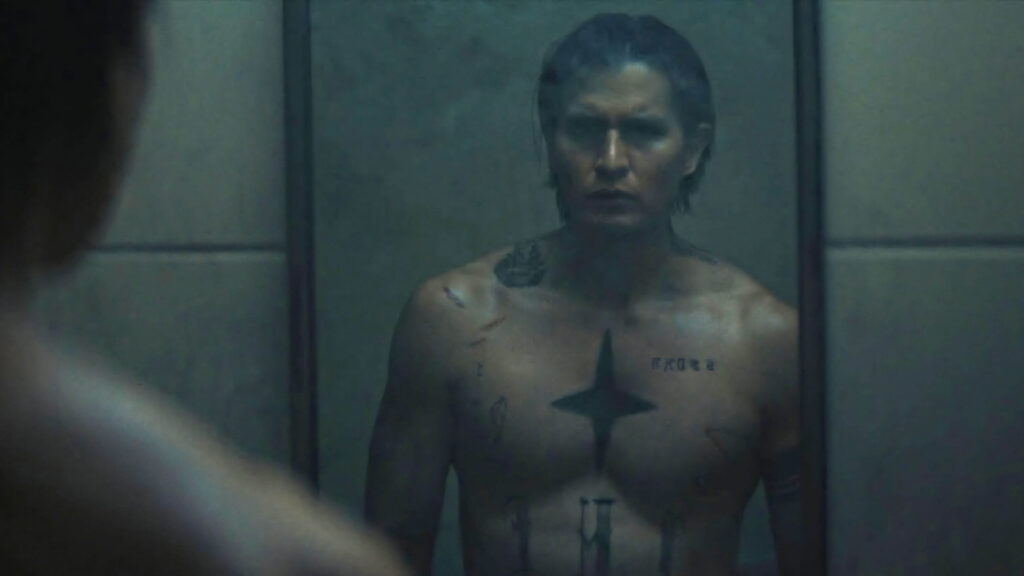
Teddy is a character who is permanently altered by the past and subverts procedures to
protect his community’s future. Like me, he grapples with the desire to redeem the
irredeemable, finding hope in a foreboding world. For me, Gangland is a reminder that
much of what we fear in this world stems from smaller wounds left unaddressed and left to fester. Perhaps its most sobering reminder is that what society refuses to confront, it may eventually be forced to reckon with.
Rating: 7.5/10