



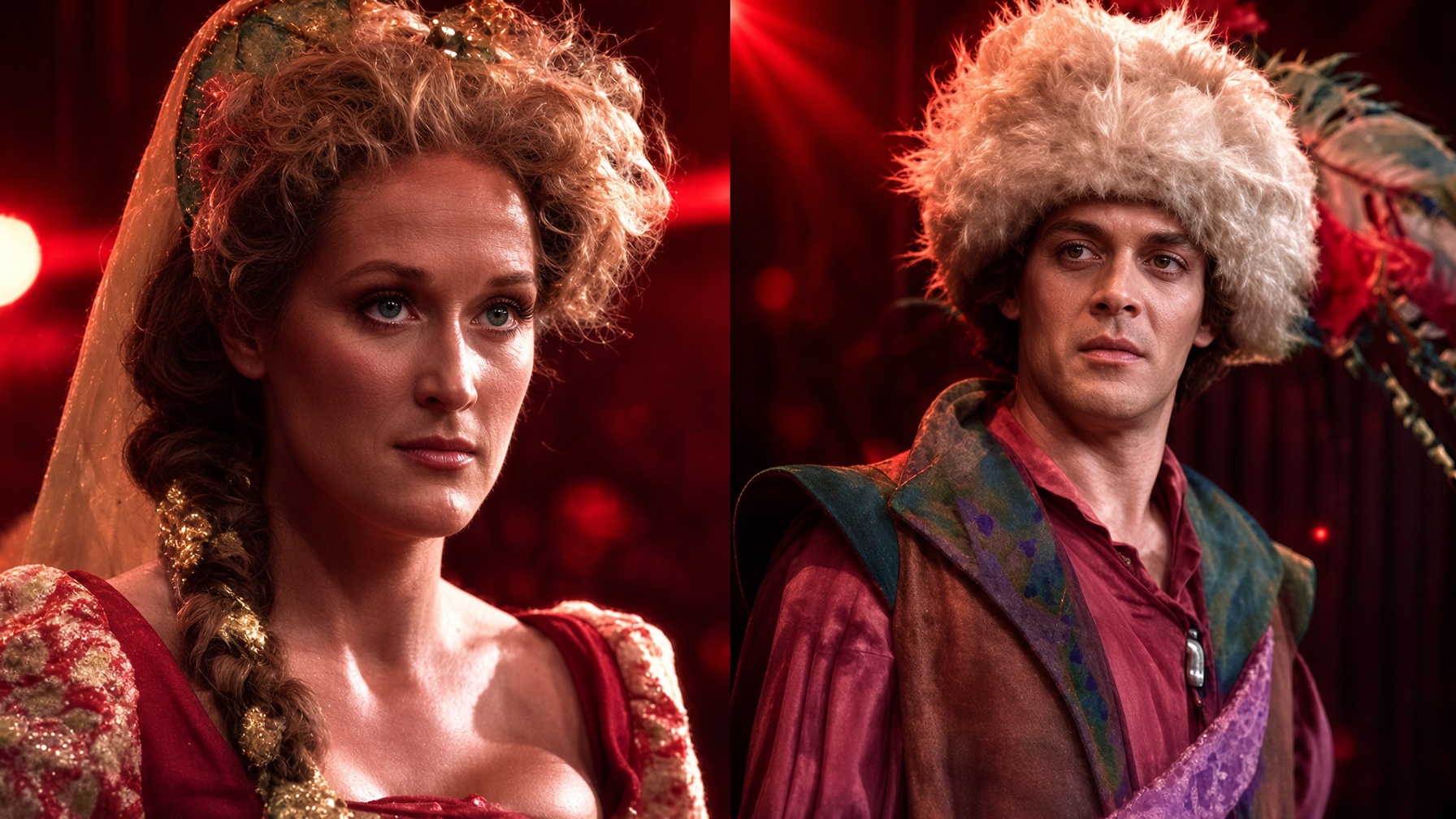
How Raúl Juliá’s Groundbreaking Stage Work Redefined Classical Casting and Sparked Chemistry with Meryl Streep
Decades before color-conscious casting became an industry standard, Raúl Juliá and Shakespeare rewrote American theater rules. Juliá partnered closely with Joseph Papp’s New York Shakespeare Festival. Through this work, the Puerto Rican titan brought vibrant physicality to classical stages. He also infused Elizabethan roles with his natural Latin cadence. Consequently, he proved that classical drama belonged to diverse artists long before Hollywood caught up.
Raúl Juliá and Shakespeare: Pioneering Non-Traditional Casting
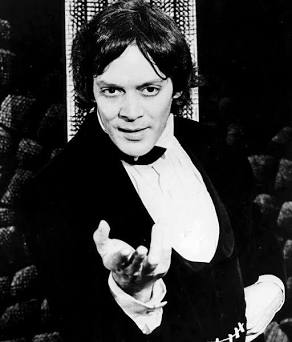
During the 1970s, Juliá tackled major classical roles with unmatched energy. His performances included Proteus in Two Gentlemen of Verona and Edmund in King Lear. Crucially, he refused to dilute his cultural heritage or native accent. American stages of that era relied almost entirely on traditional British or Mid-Atlantic diction.
Instead, Juliá embraced his Puerto Rican speech patterns. He energized Elizabethan rhetoric with warmth, rhythm, and distinct vitality. In doing so, he showed that a Latino performer could command classical text with major box-office power. This triumph laid structural groundwork for generations of minority performers. As highlighted across our Hispanic Heritage Month Cultura series, authentic identity elevates classical theater rather than diminishing it.
The Electric Spark: The Taming of the Shrew with Meryl Streep
Few stage duos match the raw electricity of Juliá’s 1978 pairing with Meryl Streep. They co-starred in The Taming of the Shrew at Central Park’s Delacorte Theater. Later, Streep recalled being deeply intimidated by his immense presence:
“He emanated exuberant joy, on which I and others had come to depend like heat in winter,” Streep shared. “Everything about him was so big—his eyes, his gestures, his smile—and he was so loud, and I was terrified of him until I had the chance to play with him in The Taming of the Shrew.”
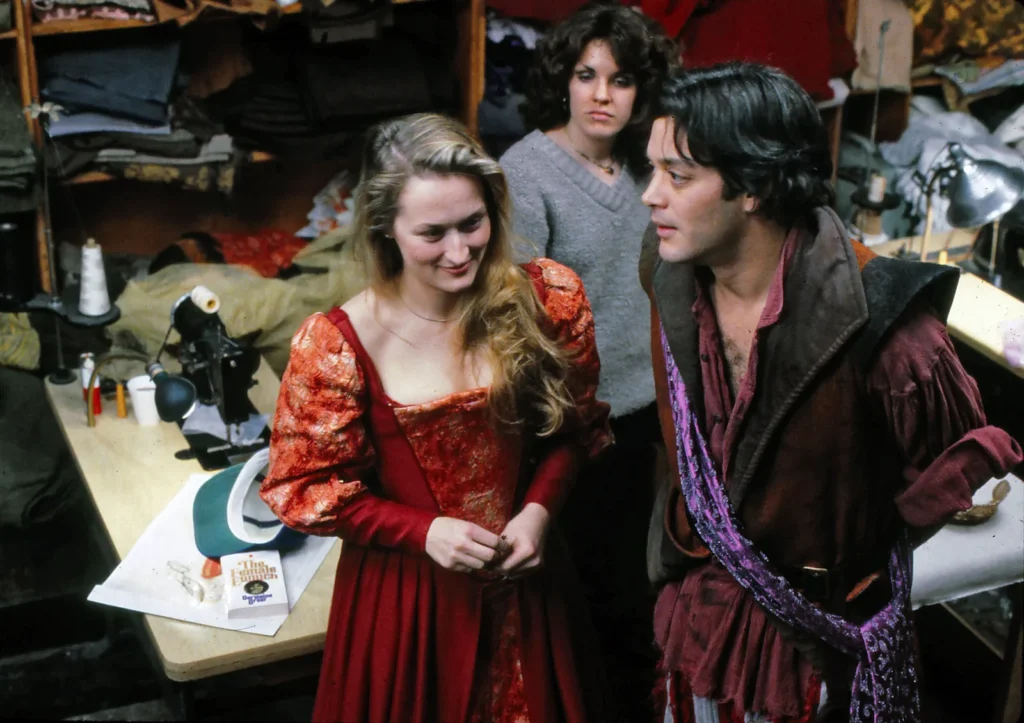
Juliá played Petruchio opposite Streep’s Katharina. He brought deep empathy to a character often performed as a cruel brute. Both actors leaned into intense physical comedy. During one wild rehearsal, Streep suddenly lunged forward. Juliá reacted on pure reflex and accidentally punctured her skin with a pencil.
The collision left a tiny blue-black graphite mark on her arm. Juliá instantly laughed: “Aha, now you’ll never get rid of me.”
A Permanent Mark on American Culture and Film
Streep initially considered having the pencil graphite removed. However, she ultimately kept it as a personal badge of honor. Their ferocious stage dynamic was captured on camera in the PBS documentary Kiss Me, Petruchio.
Ultimately, the historic impact of Raúl Juliá and Shakespeare went far beyond Central Park. Juliá proved that classical productions thrive when opened to diverse voices. His fierce authenticity pushed American theater forward and opened doors for Latino talent across the globe.