

by Cyns Corner
I first encountered the 1972 crash of Flight 571 during elementary school through Weekly Reader. That classroom handout offered sanitized history to kids. It summarized the harrowing ordeal of the Old Christians rugby team. Stranded in the Andes for 72 days, the survivors consumed their dead teammates to stay alive. I recognized the ethical reality of their choice immediately. I never judged them. Still, that story lingered with me for decades.
Director J.A. Bayona adapted Pablo Vierci’s definitive book Society of the Snow (La sociedad de la nieve) for Netflix. My interest peaked instantly. Earlier projects include René Cardona’s 1976 film Survive! and Frank Marshall’s 1993 Hollywood drama Alive. However, Bayona prioritizes cultural authenticity. He cast Uruguayan and Argentine actors, used their native Spanish, and anchored the story in the passengers’ lived experience.
Visceral Craft and the Mechanics of Survival
Realism defines the first act. The crash sequence skips cinematic gloss to show blunt-force trauma. Cabin seats shear loose, snapping forward upon impact. The tearing fuselage violently flings passengers into the freezing sky. Bayona exposes the brutal mechanics of an airline disaster, proving that mundane objects turn lethal in seconds.
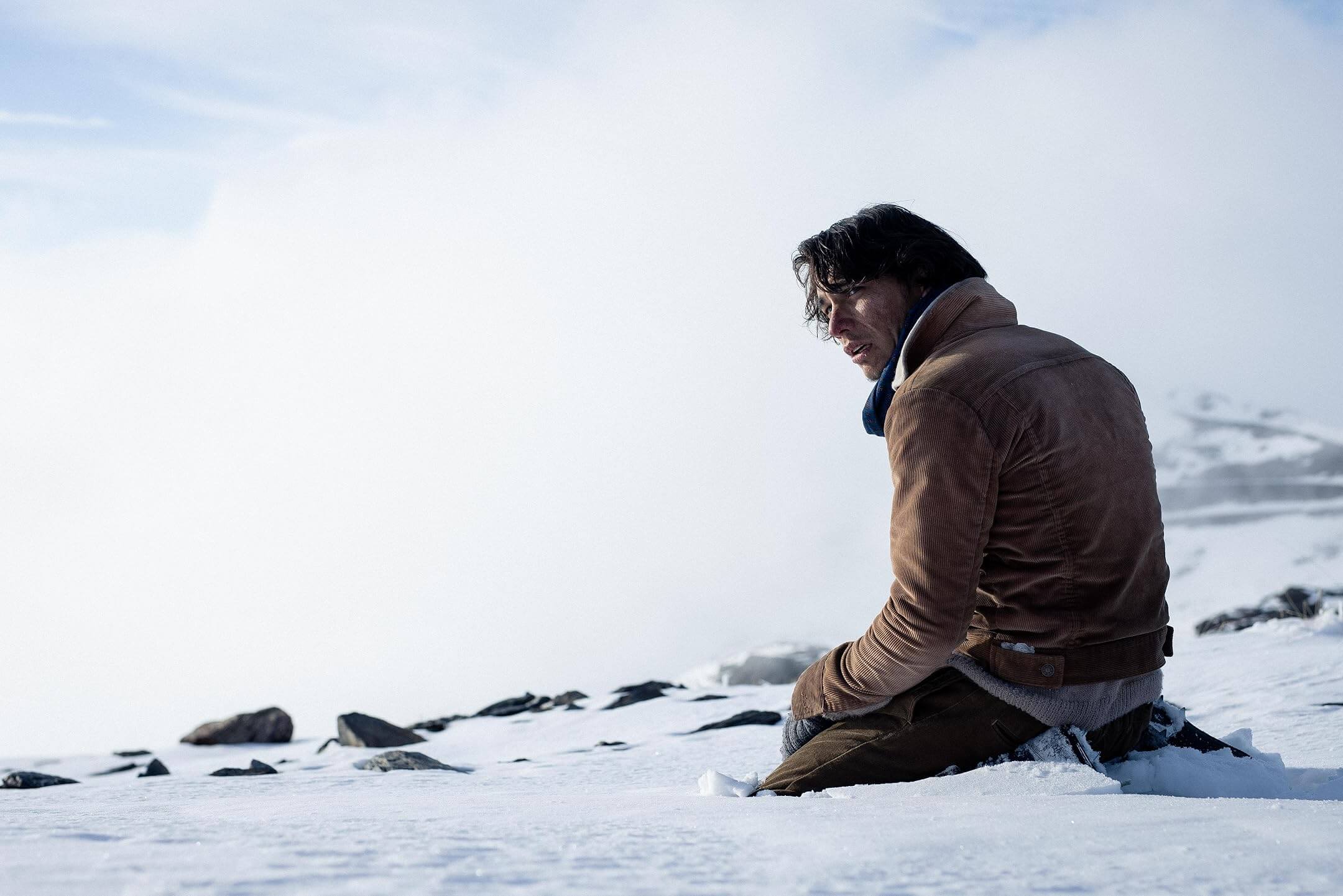
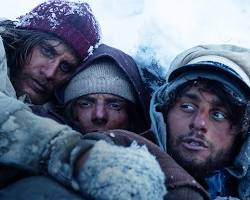
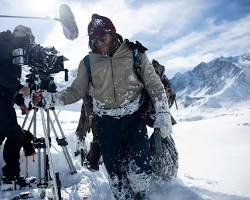
Cinematographer Pedro Luque frames the aftermath with suffocating claustrophobia. He favors tight close-ups inside the battered aluminum hull, trapping viewers alongside the freezing men. The camera captures difficult moral decisions with remarkable restraint. In one gutting sequence, a survivor stares through a frosted window. Outside, teammates collect sustenance from the deceased. He freezes, caught between profound grief and primal biology.
The film also dismantles common questions about their prolonged stay at the wreckage. Bayona emphasizes the impossible terrain. Search teams halted rescue flights due to severe weather. Later, an expedition scales an adjacent ridge and looks back. The fuselage completely vanishes into the endless snow. If they cannot see the wreckage from there, aerial spotters never will. The men face an impossible choice: freeze in place or attempt deadly mountain ascents.

Pacing and the Ensemble Dilemma
The script stumbles briefly during early character introductions. Forty-five passengers boarded the Fairchild FH-227D. Distinguishing individual players early on proves difficult. Similar haircuts and heavy winter layers obscure identities, dampening the emotional impact of initial deaths. Furthermore, the physical makeup delays showing severe starvation. Only in the second half do frostbite and extreme weight loss visibly take hold.
Once the narrative focuses on the final expedition group, the emotional resonance hits hard. The ensemble delivers grounded, naturalistic performances without relying on cheap melodrama. Their work honors both the survivors and the fallen friends who sustained them.
Society of the Snow forces viewers into an intimate confrontation with endurance and communal sacrifice. Bayona has crafted a harrowing, visually stunning achievement. It stands as the definitive cinematic document of the Miracle of the Andes.
Rating: 9/10.