
Peter Heller adaptation, post-apocalyptic premise, and initial impressions
The Dog Stars is the latest film from director Ridley Scott, written by Mark L. Smith and based on the novel by Peter Heller. It stars Jacob Elordi, Josh Brolin, Margaret Qualley, Guy Pearce, Allison Janney, and more.
Full transparency, going into The Dog Stars, I honestly didn’t know what it was about. I knew that it was based on a book that I have not read, but I think I only saw the trailer for this movie maybe once or twice in passing over the months. But for a Ridley Scott movie, I’m surprised this hasn’t been a film that’s been pushed to a heavy degree. It’s been interesting to see how some of his more recent films have been marketed to the world. And this is one of those that, even though it’s got big stars in it and I was aware of this film coming out, it just feels like I kept forgetting about it. And I think it just wasn’t in the conversation for a lot of people in the film world. It doesn’t feel like a lot of trailers or just online marketing has been pushed for this movie.
So, I went in with a pretty blank slate on what to expect with this film.
Navigating the Wasteland: Plot & Direction
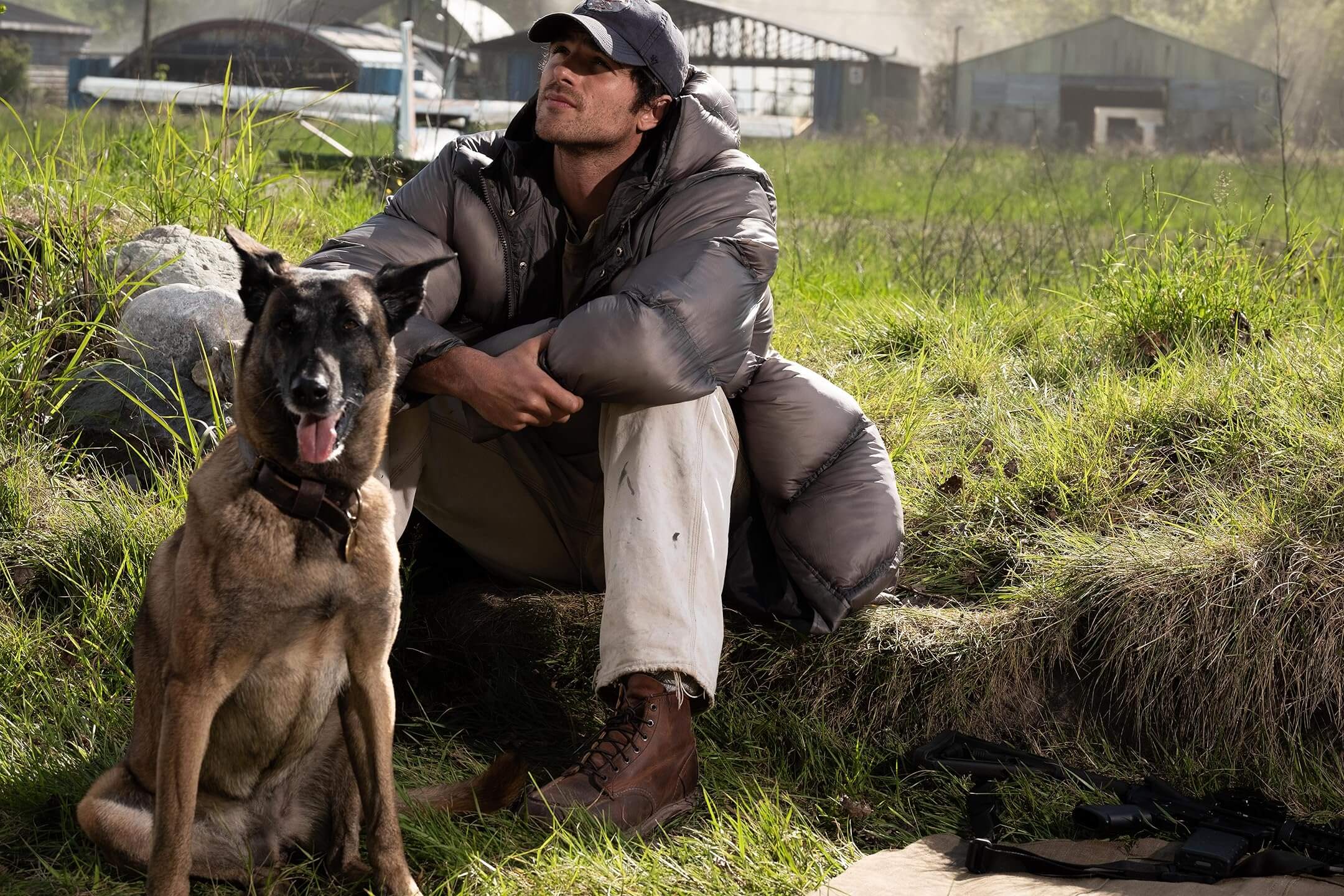
Set in a post-apocalyptic world devastated by a virus that has wiped out most of humanity, The Dog Stars follows Hig, a young pilot who has survived the collapse of civilization and now lives in an isolated Colorado homestead with his loyal dog and Bangley, a hardened military survivalist. Together, they have developed a strict routine designed to keep them alive while defending themselves from dangerous groups of survivors roaming the wasteland.
But Hig’s outlook begins to change when he picks up a mysterious radio transmission. Convinced that there may still be other people out there worth finding, he ventures beyond the safety of their isolated home in search of the source of the signal. His journey eventually leads him to Sema and her father Pops, forcing Hig to confront the possibility that survival may not be enough. In a world where almost everything has been lost, he must decide whether there is still reason to trust, connect with others, and hope for something beyond simply staying alive.
I’ll start this off by saying that I enjoyed The Dog Stars. I got to see the film last night and as soon as the film was over, I looked over at my buddy Jeremy, who saw the film alongside me, and I said, “You know what? I actually kind of enjoyed that.” He wasn’t really a big fan of the film, but I didn’t know what to expect going in – and even though I love Ridley Scott as a director, I was pretty happy with how the film came to a resolution by the end.
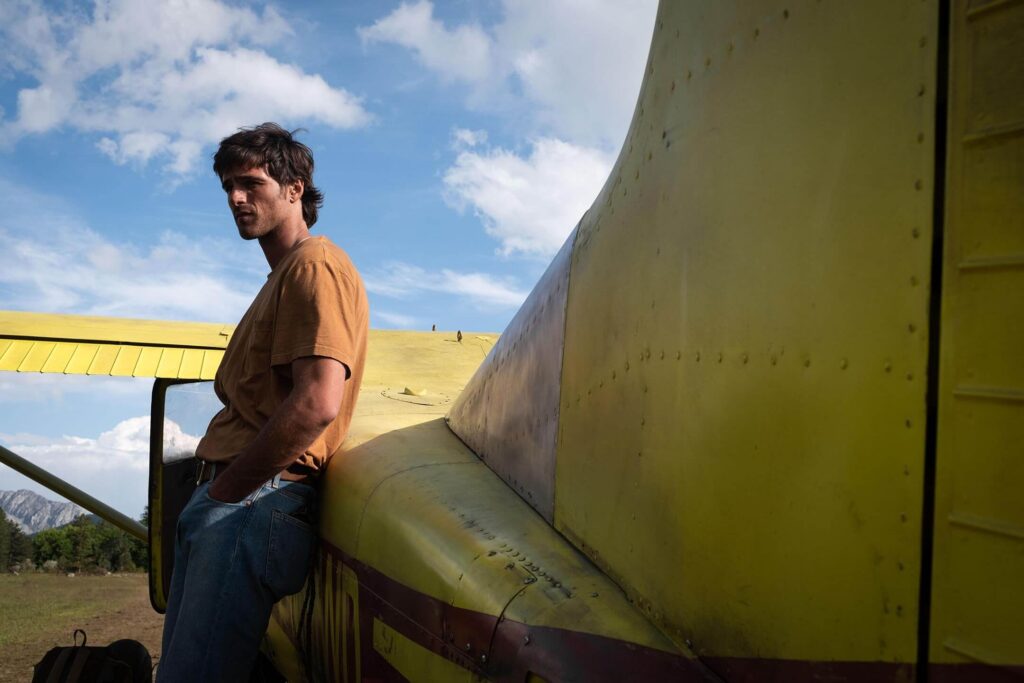
But I’m kind of glad that the embargo after having seen this film for reviews was the next day, because it allowed me to sleep on the movie and think about it over the course of the day. And the best way I could describe this film is that I think mileage is going to vary.
This is a much slower film in the world of post-apocalyptic films, and it’s not the kind of story that ultimately feels wildly eventful. In a lot of ways, narratively, it feels very fragmented. And even though I left the film having enjoyed it last night, I can genuinely and honestly say that I liked it a little bit less the day after, despite still enjoying it. I know that might sound confusing, but I think it comes down to the way the story is told.
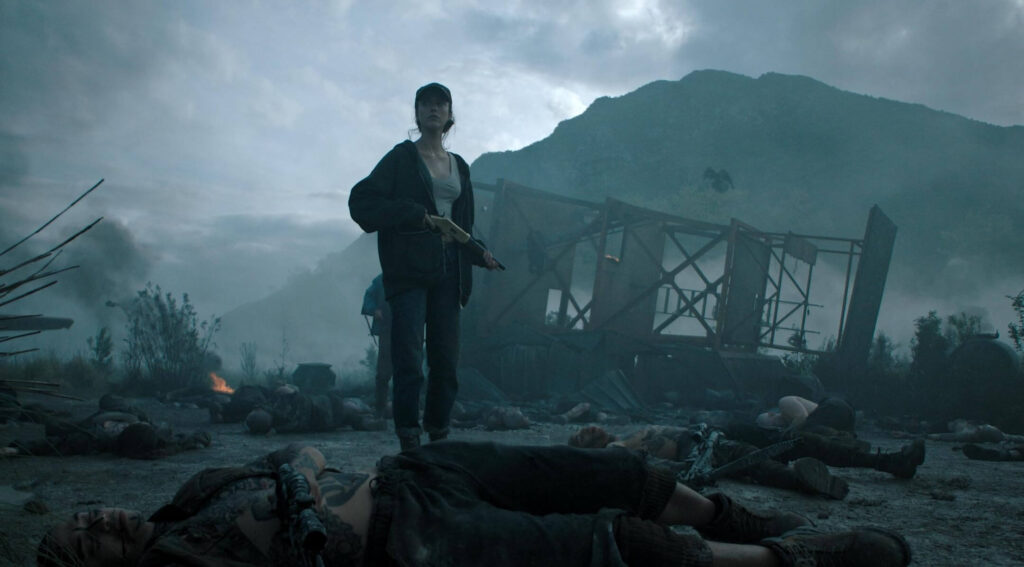
In terms of filmmaking, you have a really good-looking film here. I enjoyed seeing the scale and a lot of the landscape shots in this film. I got to see it on IMAX, and it absolutely takes advantage of that big screen. So many shots in the film are beautiful to look at. There’s a great amount of detail that went into the various sets and locations, and some great makeup, costume design, and wardrobe that really sets you into this wasteland.
But one thing that touches into my negatives is that I wish the movie had dived a little deeper into this virus. Again, I didn’t read the book, so I went into this with little to no knowledge of what set the tone for this world. And while they reference the virus a couple of times in the film, you never really get to see any of that. You never get to see how it impacted people, what it turned people into, or if they just got sick and died. We’re just seeing the fact that they’re survivors now and they’re afraid of getting sick.
So, it’s not like a zombie situation, though I do wish we had explored that a little more.
But I think the filmmaking does a good job of setting you up for a world that’s bare bones at this point. You’ve got people trying to survive on their own, and crazy groups of people trying to raid other people’s homes and kill them and steal their weaponry or their food or whatever they can get their hands on. Some people are losing their minds in this. Some people are losing their ability to trust. Some people are becoming isolated.
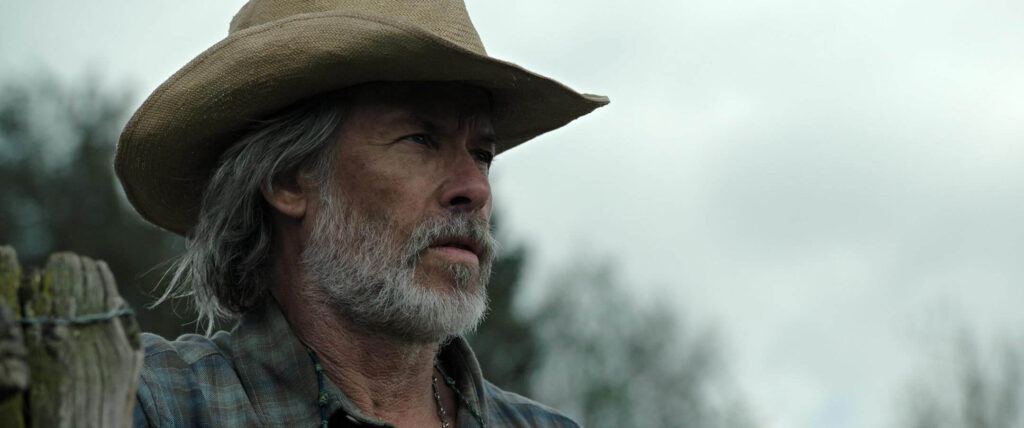
And ultimately, that leads to what the themes of this film are about, which is very much about the idea of self-forgiveness, of opening yourself up to being kind and loving and creating community again in a world where there’s plenty of evidence why you shouldn’t have that community, why you shouldn’t trust people, why you should be fearful, why you should shoot somebody before giving them a chance to even realize if they’re dangerous or not.
And I thought that’s where the film is the most interesting.
But yeah, I think the look and feel of the movie is solid. Ridley Scott is just a great director when it comes down to those kinds of things, and he obviously worked with a solid team to have a really good-looking film here.
Performances & Character Dynamics
When it comes down to the cast, I thought Jacob Elordi, Josh Brolin, Margaret Qualley, and Guy Pearce were all great. There’s definitely some interesting elements with all of these characters. Because of how fragmented the story is, there are times it doesn’t feel like all these characters get the screen time I would’ve loved to see them have. There are certain story beats that feel abrupt around some of these characters. But for the most part, those four actors give us great performances with some big key moments.
I enjoyed the very interesting, almost uncle/nephew feel you get with Jacob Elordi’s character and Josh Brolin. They’re on this land together, protecting this one space that they have, and when Elordi decides to leave, you have the more stubborn, “I want to stay isolated, I don’t want to give anybody else a chance” kind of guy in Brolin. I thought that created an interesting dynamic, very much playing into the themes of the film.
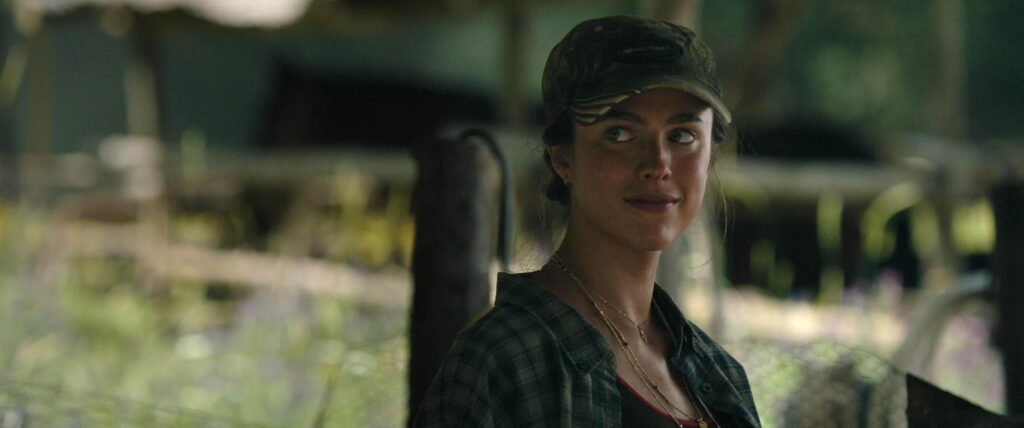
And then, like I mentioned in that synopsis, he ends up meeting two other people, a woman played by Margaret Qualley and her father played by Guy Pearce, and this immediately starts to spark a bit of a romantic interest.
But as the film plays out, we learn that both Qualley’s character and Elordi’s character have significant others who passed away during the pandemic. So they don’t really know how to move forward. They’re struggling with it while also very much appreciating each other’s company.
And so it creates this platonic but clearly leading-to-romantic relationship that I think is the heart and soul, in a lot of ways, of the movie – very much leaning into those themes of whether or not you’re able to leave the darkness of the past behind and move forward with a new outlook on life; the ability to build community and find love again amidst a dark world.
I also enjoyed the banter and the back and forth, the cutesy stuff – the chemistry between Elordi and Qualley. They’re two beautiful-looking actors who give us two very charismatic and likable performances in the film.
Guy Pearce as her dad was a lot of fun as well. He’s similar to Brolin’s character – untrusting at first of Elordi’s character, again playing into those themes of trust, but also somebody who creates a really interesting bond as time goes on.
As I mentioned in the synopsis, there’s a signal out there with the promise of some sort of utopia that Elordi’s character is trying to find throughout the film. This element of the story raises the question of whether or not the grass is really greener on the other side.
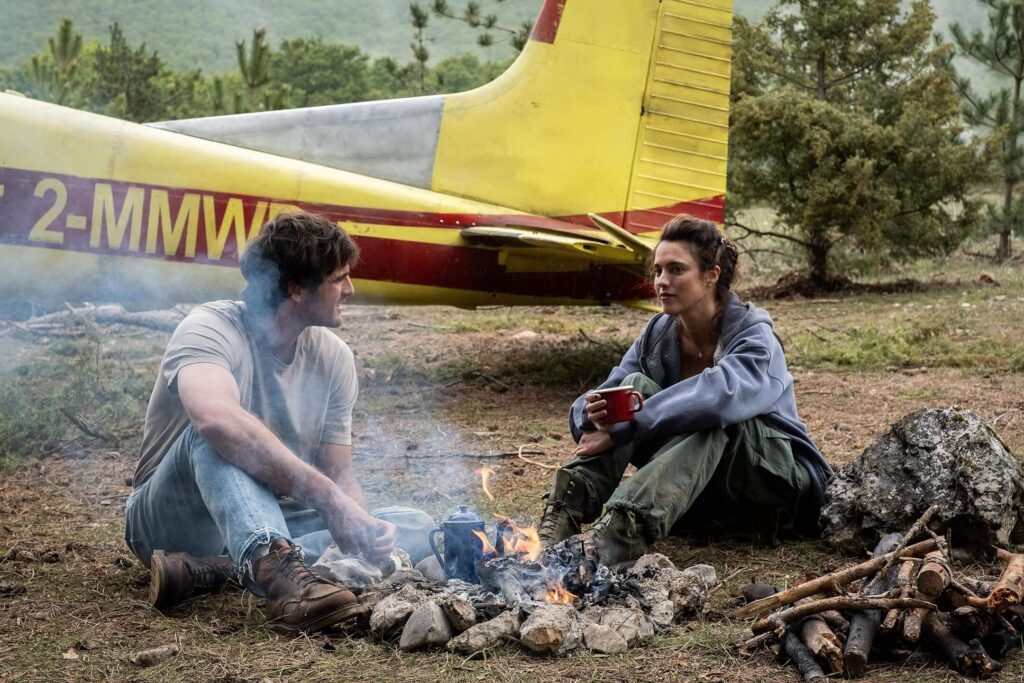
So, thematically, filmmaking-wise, and performance-wise, I think you have a movie that’s sound and works in a lot of ways. And by the time you get to the very end of the film, it does feel like it comes together.
With all that said – and this gets into my negatives, and why I enjoyed it a little less today than I did last night – the story just feels fragmented.
It feels like the first 15 minutes are one thing, then the next 15 minutes are something else, then the next 20 minutes are something else, and it all comes together in the end. But it did feel like Scott was giving us something along these lines: “All right, this is going to be this section of the movie. This is going to be this section,” instead of it feeling like one big cohesive story.
There’s some fun action sequences amidst all this, specifically one badass action sequence with Brolin’s character about midway through the film.
But a film like this – a slow burn that feels a bit fragmented and leans on pretty traditional post-apocalyptic, survivor-esque themes – does raise the question: does it offer anything completely new for this genre?
And I think the answer is no.
Final Verdict: Visual Grandeur vs. Narrative Stumbles
At the end of the day, The Dog Stars is, for me, an enjoyable watch. I had a good time with it, but not one I’m clamoring to rewatch. For a director the caliber of Ridley Scott, I’d be lying if I said this is amongst his best films. And I don’t think you should ever walk into a director’s new film expecting it to be one of your new favorites of theirs, especially with a director who’s been doing this for so many decades.
It’s a solid entry in his filmography – by no means his worst, but it doesn’t feel as substantial as some of the better movies he’s made.
The Dog Stars is ultimately an enjoyable time that comes together in the end, has some cool moments of action, and is visually stunning with the filmmaking and the scale it’s able to have. It’s got great performances at the center that keep it fun, engaging, charismatic, and also allow you to buy into the stakes.
But it is a slow film. It does feel fragmented. Certain story beats happen very abruptly and don’t really feel built up properly. Sometimes things come to an end quickly, and sometimes whole sections of the film focus on just one thing.
By the conclusion, it just kind of felt like: what is this film really trying to say beyond what we’ve already seen in so many other post-apocalyptic survivor movies?
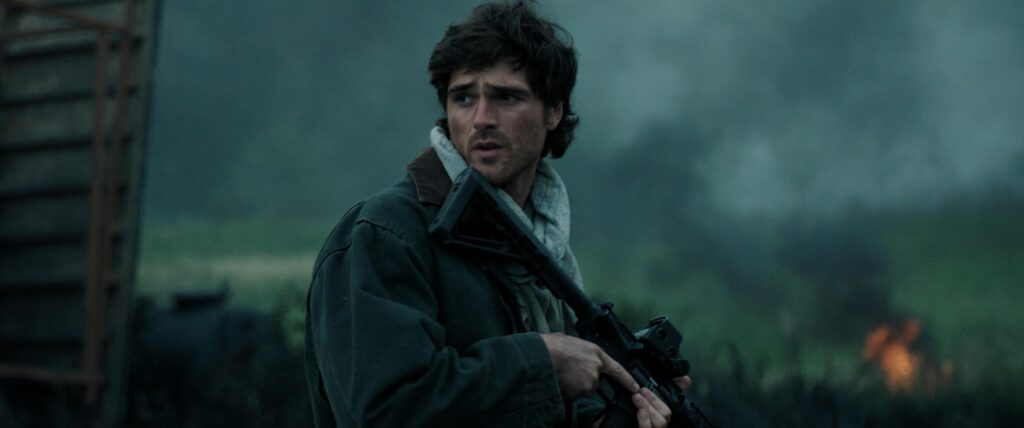
In the end, I liked its message about community, about finding an ability to trust, and finding an ability to forgive yourself and move on and find love in a bleak world. I think that’s going to work for a lot of people, but I do think the pacing of this film and the way the story is told may not work for everybody – the guy I watched it with and his girlfriend were both not fans.
While I can genuinely say I like the movie, I just didn’t love it.
If you’re a fan of Ridley Scott, it’s certainly worth checking out. If you catch this film on IMAX or Dolby, the visuals will definitely be elevated in that format. But I wouldn’t go in expecting the most riveting story. It’s solid, but it is a slow burn.
It does come together in a way that feels cohesive, but there are certain things in the film that, the more you think about it, leave a little to be desired.
As a fan of post-apocalyptic movies, I wish they had delved deeper into what got this world to this point. As somebody who never read the book, there was so much ambiguity around what really caused this that it left me wishing there was a little more to bite into with this movie.
An enjoyable watch for sure, but not one that I’m clamoring to see again.
Rating: 6.5/10