



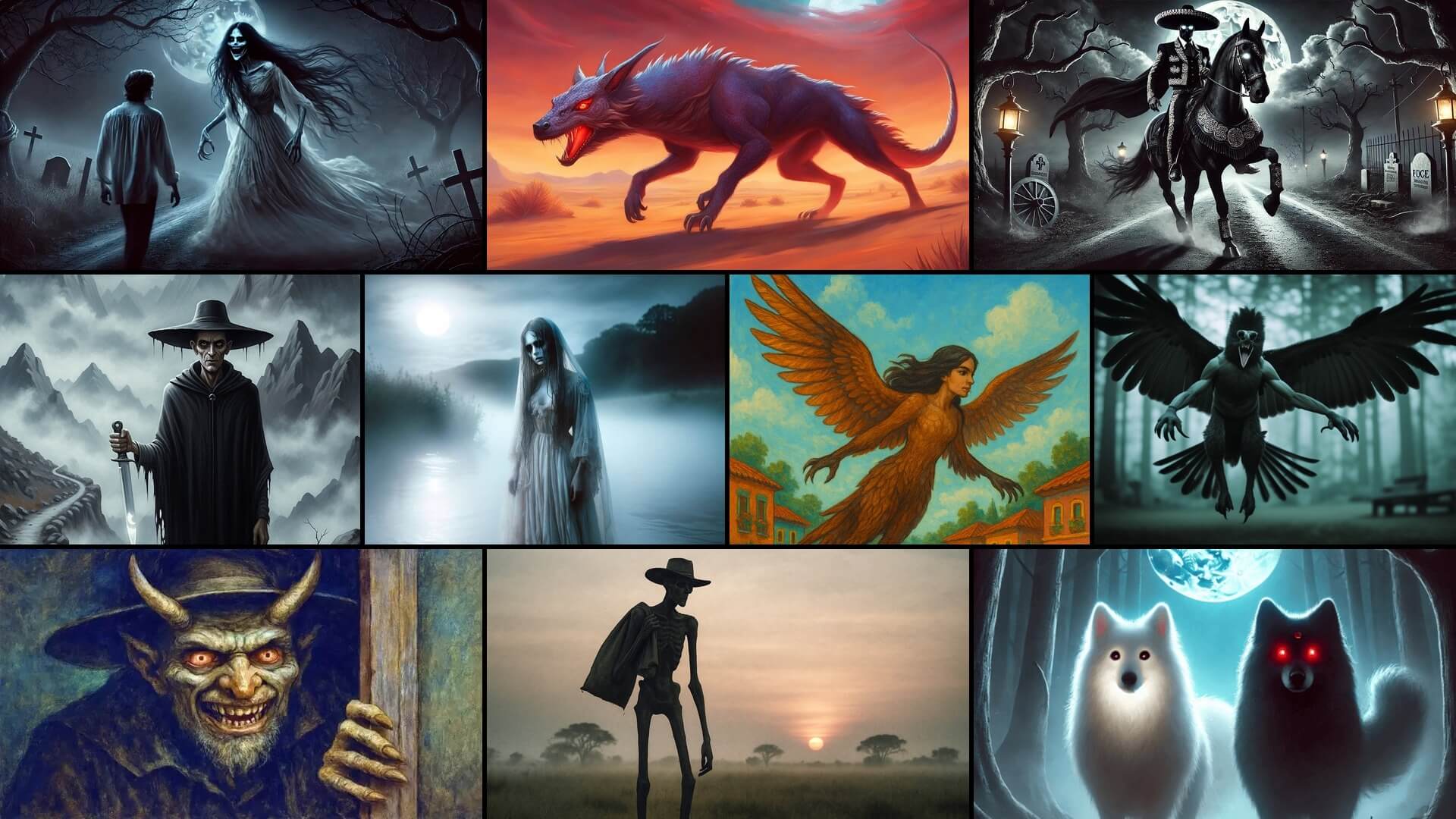
As we continue celebrating Hispanic Heritage Month, I thought it would be a great way to start October by taking a dive into some of the monsters and supernatural creatures that have come out of Hispanic and Latino culture. Horror has always been deeply connected to folklore, and Latin America and the Spanish-speaking world are filled with legends about ghosts, witches, cryptids, demons, and creatures that have been passed down from generation to generation. Some of these monsters have become internationally recognized, while others remain much more closely connected to the cultures and communities where their stories originated. Either way, there is no shortage of incredible horror mythology to explore.
When we talk about horror icons, names like Freddy Krueger, Jason Voorhees, Michael Myers, and Leatherface immediately come to mind. But Latin American and Hispanic cultures have their own long history of monsters, ghosts, and supernatural creatures that have been terrifying people for generations. Some of these figures come from folklore that predates modern horror cinema, while others have become recognizable through movies, television, and popular culture. So, I wanted to take a look at 10 of the most iconic Latino and Hispanic horror monsters, counting down from number 10 all the way to the most iconic of them all.
10. The Pishtaco
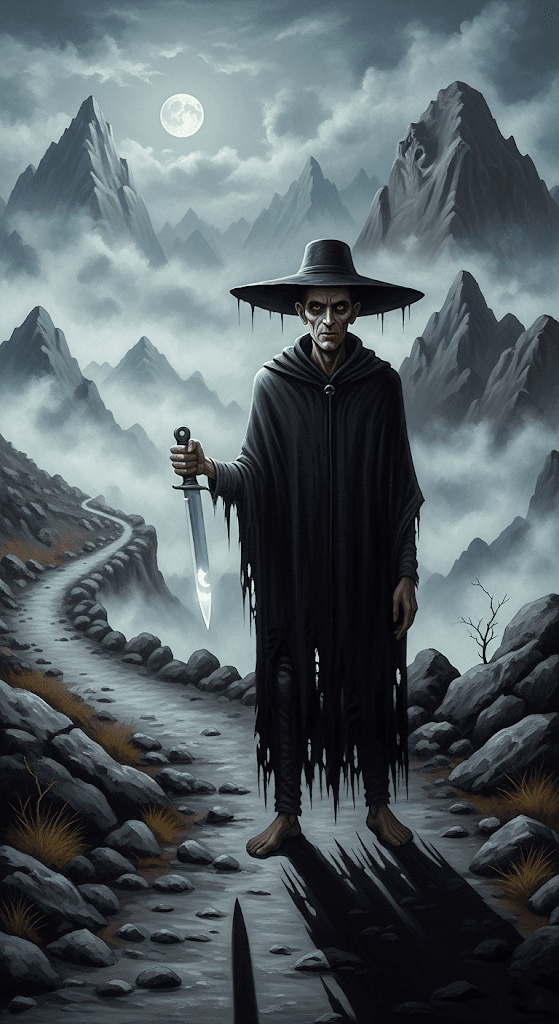
Starting off the list is the Pishtaco, a terrifying figure from the folklore of Peru and Bolivia. The legend describes a mysterious stranger who attacks people, particularly travelers, and kills them for their body fat. The stories surrounding the Pishtaco have changed over time and have been connected to different historical and cultural fears throughout the Andes. Unlike some of the other monsters on this list, the Pishtaco hasn’t become a major mainstream horror character, but the concept itself is disturbing enough to deserve a spot here. The idea of a stranger stalking you on an isolated road is already creepy, but knowing that this particular monster is coming for you because of what is inside your body makes the Pishtaco a particularly gruesome piece of Latin American folklore.
9. La Sayona
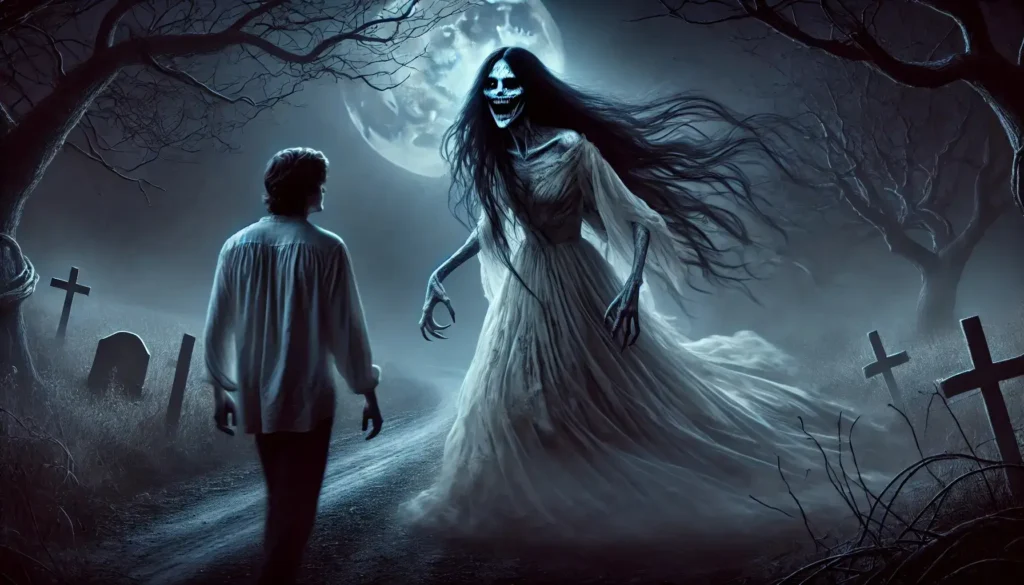
Coming in at number nine is La Sayona, one of the most famous supernatural figures in Venezuelan folklore. The story generally involves a beautiful woman who appears to men at night before revealing a terrifying supernatural appearance. There are several versions of the legend, but the basic idea of a mysterious woman appearing on a dark road and eventually revealing herself as something monstrous has made La Sayona a lasting part of Venezuelan horror culture. She has appeared in Venezuelan films and other adaptations based on the legend, although she has never reached the international recognition of some of the other monsters on this list. Still, La Sayona represents the kind of folklore that shows just how many incredible horror characters exist throughout Latin America that haven’t received the same Hollywood treatment as their American counterparts.
8. El Cadejo
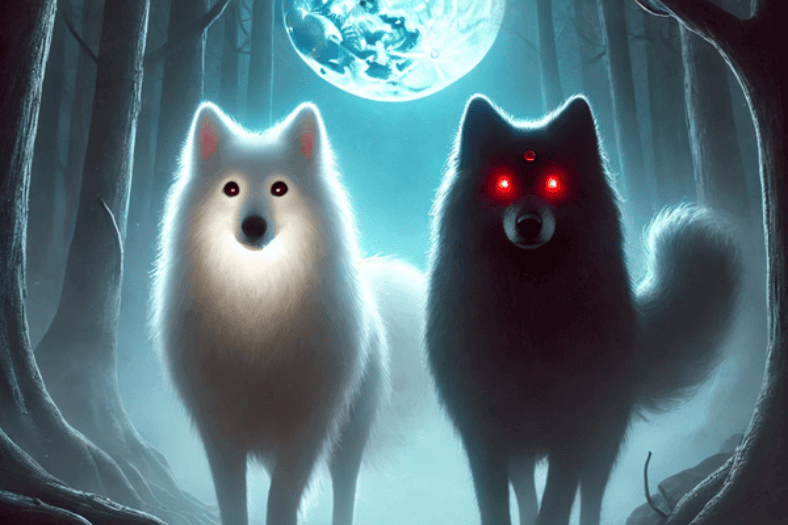
At number eight is El Cadejo, a supernatural dog that appears throughout Central American folklore. In many versions of the legend, there are actually two Cadejos, one white and one black. The white Cadejo can protect travelers at night, while the black Cadejo is associated with evil and death. Both are typically described as enormous supernatural dogs with glowing eyes, and some versions of the story connect the creature directly to the Devil. El Cadejo has appeared in various Latin American productions and adaptations of Central American folklore, and the character was also included in Universal’s Monstruos: The Monsters of Latin America Halloween Horror Nights attraction. The concept is simple but incredibly effective because there is something universally unsettling about seeing a strange animal following you through the darkness, especially when you realize that animal might not actually be an animal at all.
7. Tlahuelpuchi
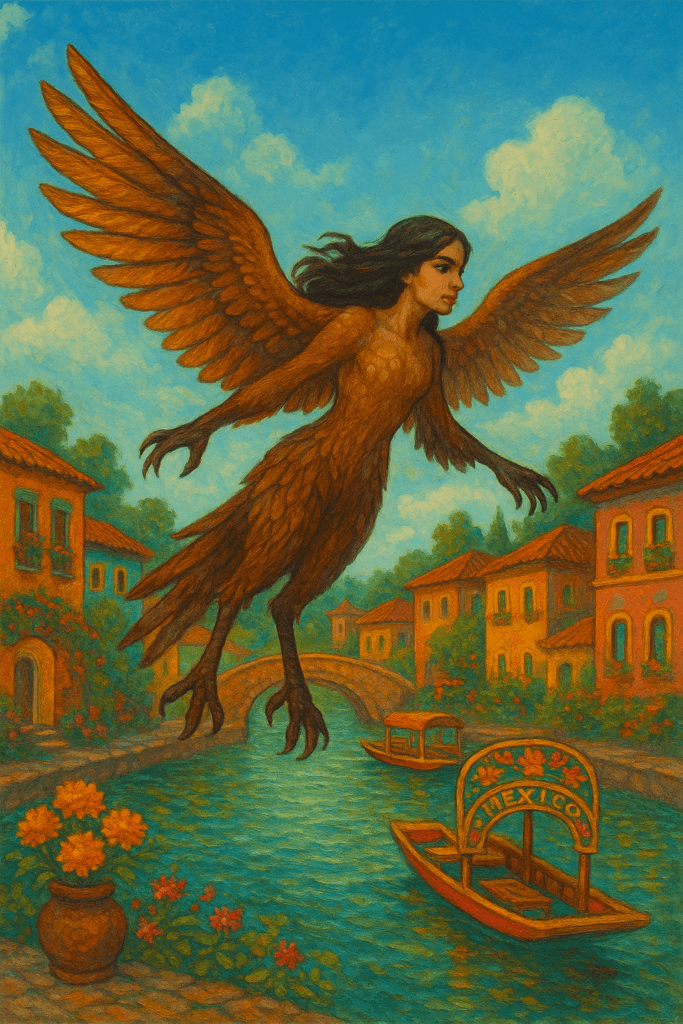
At number seven is the Tlahuelpuchi, one of the darker creatures found in Mexican folklore. The Tlahuelpuchi is generally described as a vampiric witch capable of shapeshifting and feeding on blood, with many versions of the legend specifically associating the creature with the blood of infants. One of the creepiest parts of the mythology is that a Tlahuelpuchi can supposedly live among ordinary people while hiding its true identity. The character was featured in Universal’s Monstruos: The Monsters of Latin America Halloween Horror Nights attraction, which introduced the creature to an even wider horror audience. The Tlahuelpuchi may not have the mainstream recognition of Dracula or even La Llorona, but when it comes to genuinely disturbing monsters from Mexican folklore, this is one that deserves far more attention.
6. La Lechuza
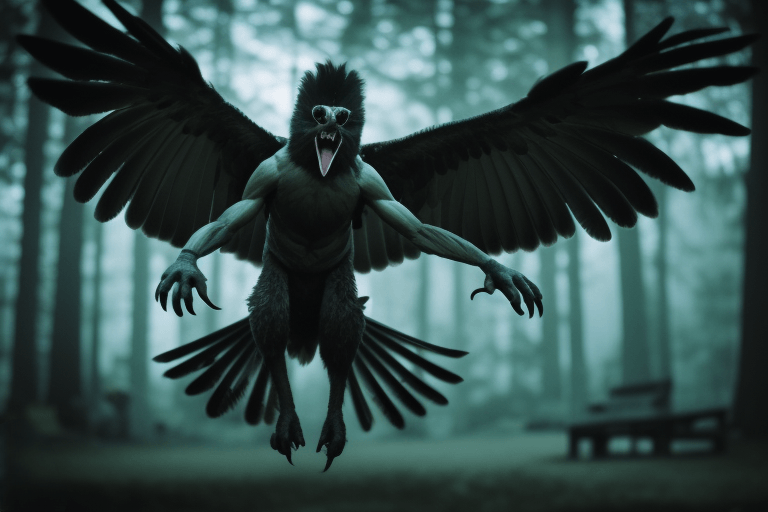
Coming in at number six is La Lechuza, a terrifying figure found primarily in Mexican and Tejano folklore. La Lechuza is usually described as a giant owl or owl-like creature with the face of a woman. In some versions, she is a witch who can transform herself into an owl, while other stories portray her as a supernatural creature that hunts people at night. The image alone is enough to make La Lechuza memorable. Imagine looking up and seeing an enormous owl perched somewhere in the darkness, only for it to turn its head and reveal a human face. La Lechuza has appeared in folklore-inspired horror productions and was also featured in Universal’s Monstruos: The Monsters of Latin America Halloween Horror Nights attraction. She may not have her own massive Hollywood franchise yet, but the character has all the ingredients of a great modern horror monster.
5. El Silbón
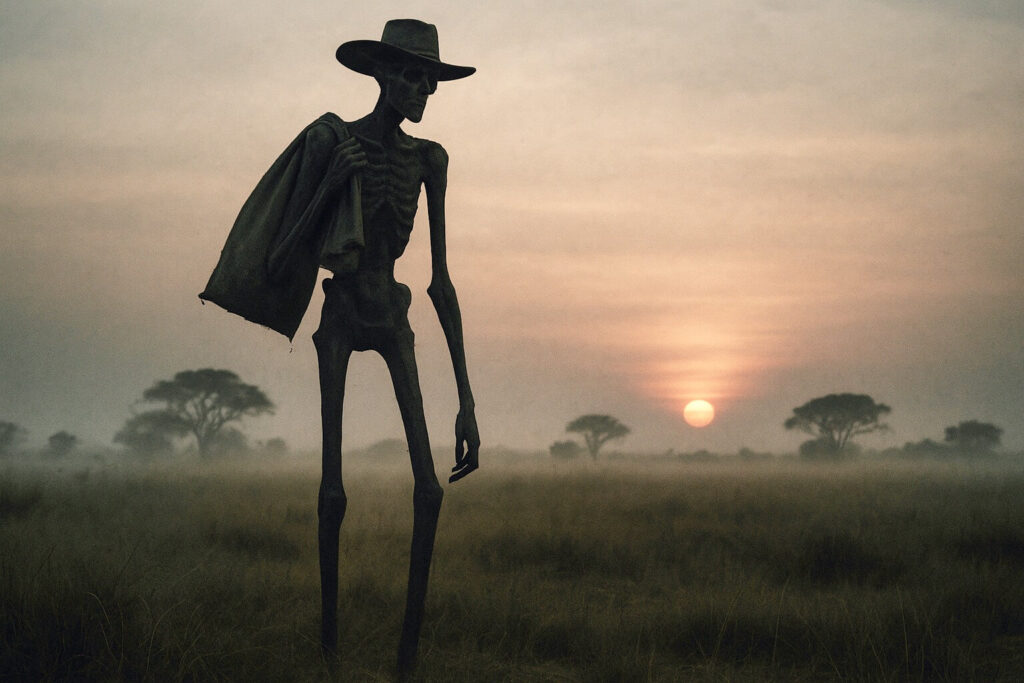
At number five is El Silbón, or The Whistler, a legendary figure from Venezuela and Colombia. El Silbón is usually described as the ghost of a young man who is condemned to wander the countryside carrying a sack containing his father’s bones. What makes this legend especially terrifying is the sound associated with him. El Silbón whistles as he wanders, and according to the legend, if the whistle sounds close, he is actually far away, while a distant whistle means he is dangerously close. That is an absolutely perfect horror concept because it gives you a supernatural warning that actually makes the situation worse. El Silbón has appeared in the Venezuelan film El Silbón: Orígenes and has been featured in other folklore-based horror projects, as well as Universal’s Monstruos: The Monsters of Latin America Halloween Horror Nights attraction. If you ever hear an unexplained whistle coming from the darkness, you might want to start running.
4. El Charro Negro
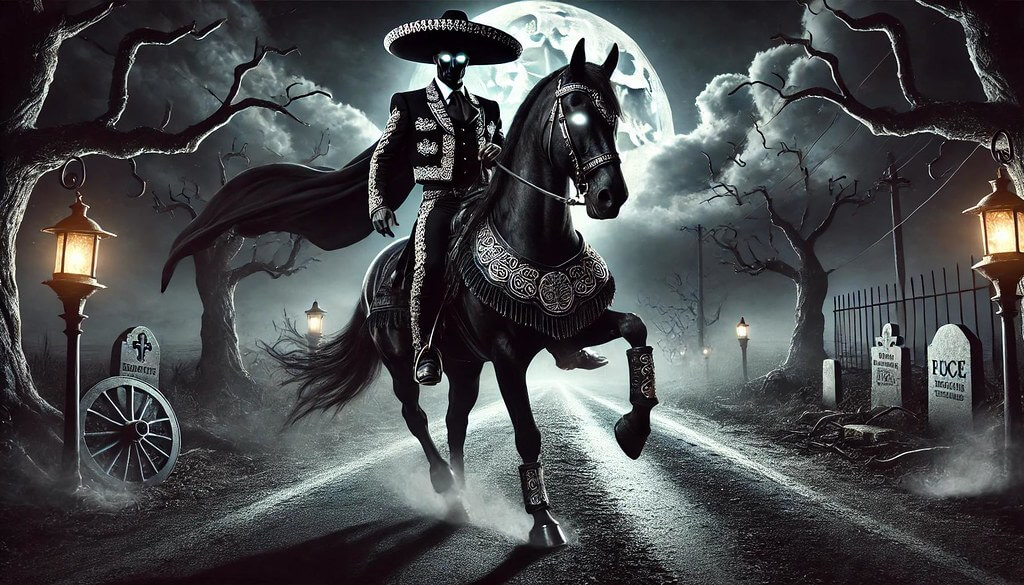
Coming in at number four is El Charro Negro, one of the most visually recognizable supernatural figures in Mexican folklore. He is usually portrayed as a mysterious man dressed entirely in black, wearing a wide-brimmed charro hat and riding a black horse. The character is often associated with the Devil, temptation, greed, and dangerous bargains. El Charro Negro has actually had a significant presence in Mexican cinema, including the 1940 film El Charro Negro and the 1949 film El Charro Negro en el Norte. He also became the central antagonist of the 2018 animated film La Leyenda del Charro Negro. There’s something about that image of a mysterious man in black riding a black horse through the darkness that makes El Charro Negro instantly recognizable, and it’s easy to see why the legend has survived for so long.
3. El Cucuy
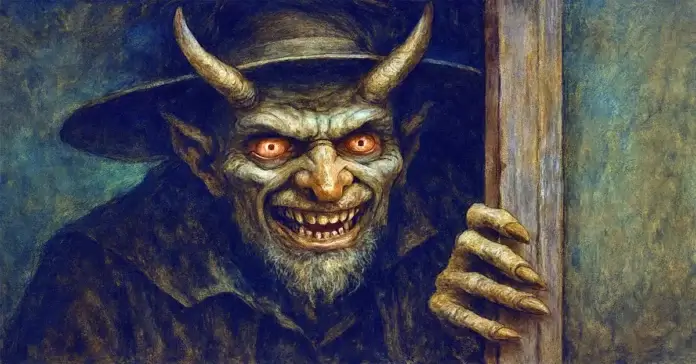
At number three is El Cucuy, the Latino boogeyman. The exact details of the legend vary throughout Spanish-speaking cultures, but the basic idea is that El Cucuy is a supernatural creature used to frighten children into behaving. If you don’t listen to your parents, stay out too late, or wander somewhere you shouldn’t, El Cucuy might come and get you. That makes him one of the most culturally recognizable monsters on this entire list because he isn’t simply a character from a movie. For generations, he has existed as a figure used by parents and grandparents to scare children into staying out of trouble. El Cucuy has appeared in television, music, books, Halloween attractions, and the 2018 horror film Cucuy: The Boogeyman. He may not have a single definitive appearance, but culturally, El Cucuy fills the same basic role that the boogeyman does in American horror, making him one of the most important Latino horror figures around.
2. El Chupacabra
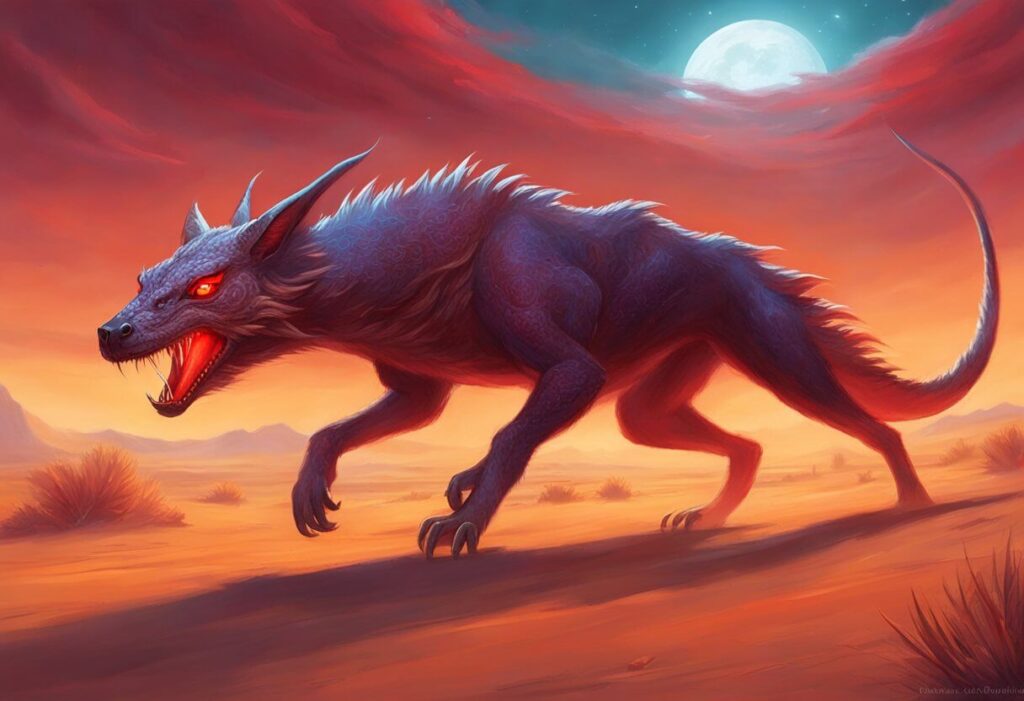
Coming in at number two is El Chupacabra, one of the most famous cryptids to ever emerge from Latin American culture. The legend originated in Puerto Rico during the 1990s and described a mysterious creature that attacked livestock and drained their blood. Over the years, descriptions of the Chupacabra have changed dramatically. Some people imagine a reptilian creature with spikes along its back, while others picture something more resembling a strange hairless dog. The mystery surrounding its appearance has actually helped the legend survive because there isn’t one definitive version of the creature. El Chupacabra has appeared in numerous movies, including Chupacabra Terror, Chupacabra vs. the Alamo, Rise of the Chupacabras, Guns of El Chupacabra, Indigenous, and the animated Mexican film La Leyenda del Chupacabras. Netflix also released the family adventure film Chupa in 2023. The Chupacabra has gone from a Puerto Rican legend to an internationally recognized cryptid, and that makes it one of the biggest Latino monsters in popular culture.
1. La Llorona
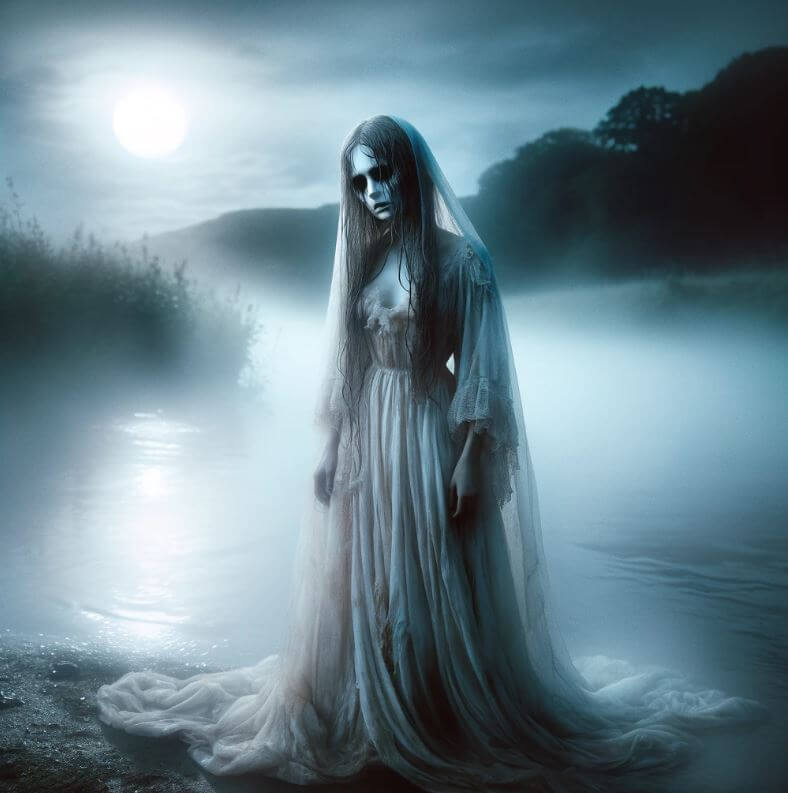
And finally, at number one, there really could only be one choice. La Llorona is arguably the most recognizable Latino horror monster and one of the most famous supernatural figures to come out of Latin American folklore. The legend generally tells the story of a woman who drowned her children and is condemned to wander the earth searching for them while crying out in grief. Different versions of the story exist throughout Mexico and other parts of Latin America, but the image remains the same: a woman in white wandering through the darkness, crying for her lost children. La Llorona has been featured in countless movies, television shows, books, and other adaptations, including the Mexican films La Llorona from 1933 and La Maldición de la Llorona from 1961 (released in 1963), as well as La Leyenda de la Llorona in 2011 and The Curse of La Llorona in 2019. What makes La Llorona stand above the rest isn’t just how many times the character has appeared on screen. It’s the fact that she has remained a part of Latin American folklore for generations and is still instantly recognizable to millions of people. She isn’t simply a monster from a horror movie. She is a cultural horror icon, and that’s what puts La Llorona at number one.
And honestly, the coolest part about folklore is that there are so many other monsters and supernatural figures that could have made this list. From El Sombrerón to the Tzitzimime, the legends of Latin America and the Hispanic world are filled with creatures that could easily inspire entire horror movies. That’s what makes exploring this kind of mythology so much fun. There’s an entire world of Latino and Hispanic horror that deserves to be celebrated, especially during Hispanic Heritage Month. So, whether you grew up hearing stories about La Llorona, El Cucuy, or one of these other monsters, hopefully this list gave you a chance to revisit some of those legends and maybe introduced you to a few you hadn’t heard of before. Happy Hispanic Heritage Month, and here’s to plenty more Latino horror stories.