


By Paulie | The Latino Slant
Published: October 12, 2026
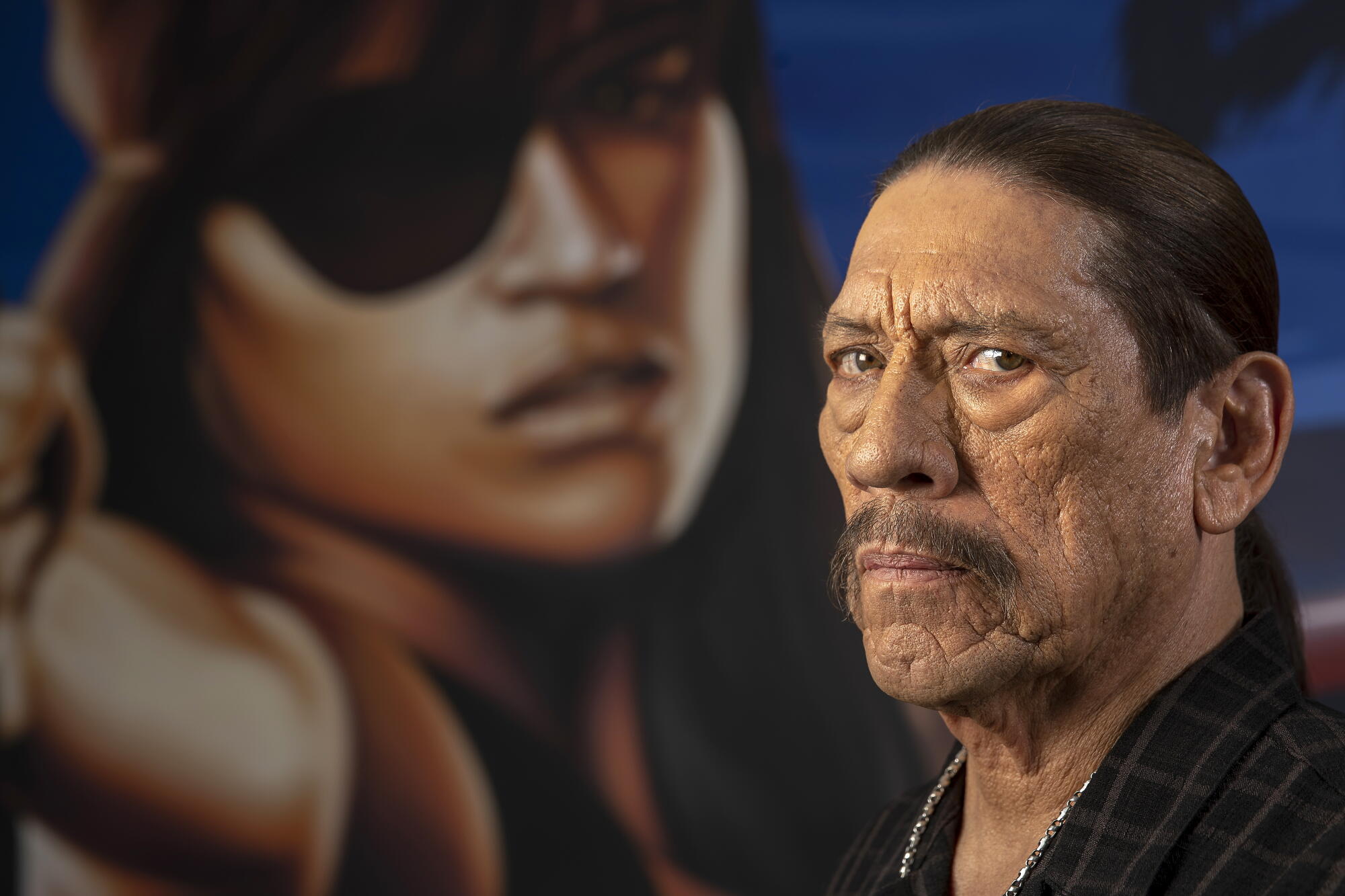
The film industry thrives on contracts, representation, and trust. But what happens when an 82-year-old cultural icon gets signed onto an indie project, only to realize weeks into filming that the political apparatus bankrolling it is the exact opposite of what his community stands for?
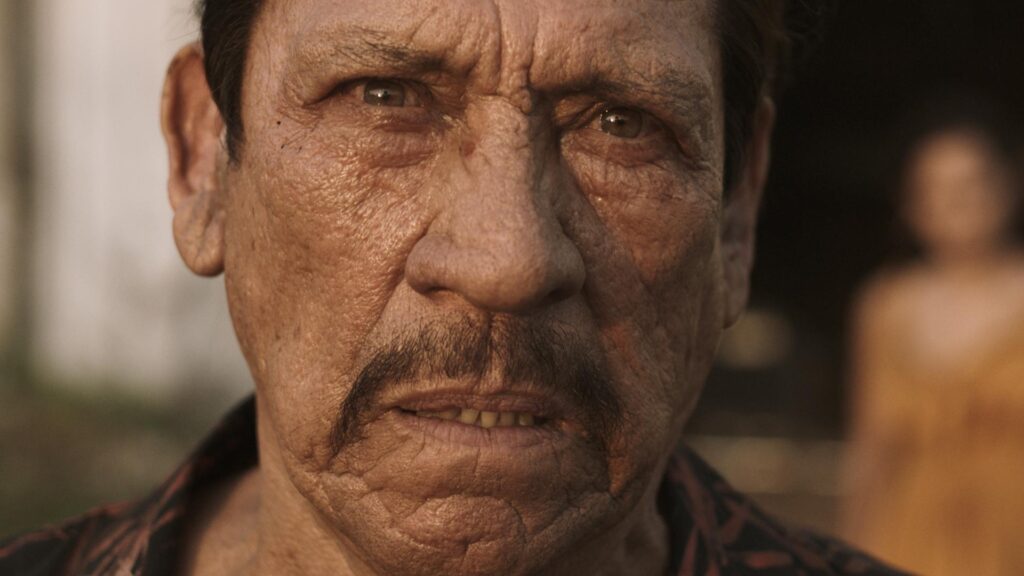
That is the exact storm engulfing veteran actor Danny Trejo and his latest feature, Pawn Shop, an immigration-centered thriller produced by Ben Shapiro’s The Daily Wire and Bonfire Legend.
As public outrage reached a fever pitch across social media and throughout the Hollywood acting community over the weekend, the narrative shifted from a simple “sellout” smear into a much darker, industry-wide reality: a failure of upfront production transparency and the legal handcuffs of Hollywood contracts.
[youtube https://www.youtube.com/watch?v=dKkIVLF-vU8]
The Statement That Ignited Both Sides
The controversy erupted when news surfaced that Trejo was filming Pawn Shop on location in Livingston, Montana alongside co-star Harvey Keitel. The film’s plot follows a federal ICE agent seeking refuge inside a pawn shop amid intense civil unrest—a setup that drew immediate fire from immigrant advocacy groups and Latino peers in the entertainment industry.
In response to initial backlash, Trejo issued a brief statement attempting to separate himself from the politics of immigration enforcement:
“Make no mistake, I’m a proud Mexican who has always been and will always be a supporter of my community. I am also obviously pro-immigrant, but I am not pro-ICE. I know where I come from and I know our struggles. I am an actor; my job is to tell a story.”
Rather than calming the waters, the response sparked fury on both sides. Critics accused him of prioritizing a paycheck over principles, while partisan commentators attacked him for distancing himself from the very film paying his rate.
Gilbert Trejo Breaks His Silence: “He’s Handcuffed”
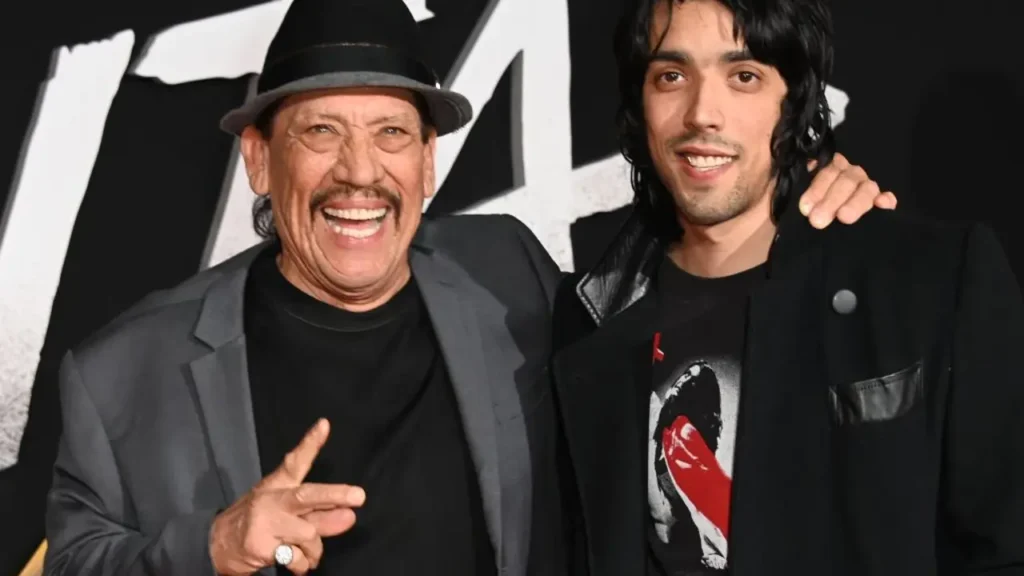
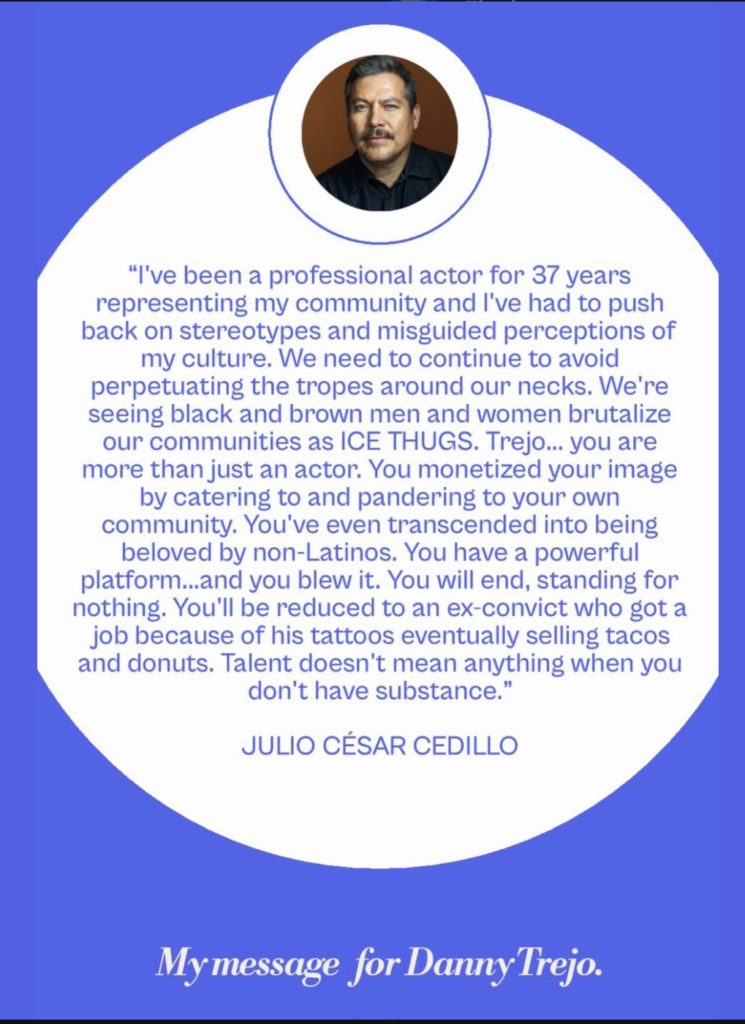
As peers and actors, such as Narco’s Julio Cesar Cedillo, began vocalizing their disappointment, Trejo’s son, Gilbert Trejo, stepped in to defend his father. In an unvarnished social media statement, Gilbert pulled back the curtain on how the production was packaged—and the legal trap that slammed shut on set:
“He was booked on a film, it’s not pro-ICE, it’s not overtly pro anything. His agent described it as ‘a complicated story about a complicated time, where everyone looks bad except you, the hardworking Mexican shop owner who just wants peace.’ He jumped at the idea of playing a good guy.
About 2 weeks into shooting everyone, including us, found out Ben Shapiro was involved. My 82-year-old dad has never heard of Ben Shapiro; I had to explain to him who that is and what kind of guy he is.
My dad contractually can’t badmouth him, the film, or walk away without being sued for breach of contract. He couldn’t even release the statement he wanted to. It’s f***ed up. He’s handcuffed to this stupid project, and swaths of people have instantly turned their back on him without knowing any of the facts.”
Gilbert’s account highlights a critical behind-the-scenes reality: crew members walked off the set upon learning who financed the film, but lead actors bound by binding SAG/AFTRA or direct LLC agreements cannot simply pack up their trailers without inviting catastrophic financial and legal ruin.
Presentation Over Representation: The Ethical Duty of Production
In our latest live broadcast on The Latino Slant, we broke down the legal realities and the broader ethical implications facing talent in modern indie cinema.
Independent filmmakers and political media ventures frequently use third-party LLCs to package, option, and crew up projects. But when partisan platforms like The Daily Wire venture into mainstream drama, concealing polarizing executive producers and distributors until the cameras are rolling crosses from savvy business into deceptive packaging.
At 82 years old, Danny Trejo has spent over five decades giving back to Los Angeles, mentoring youth in recovery, and maintaining an unimpeachable record of community service. Reducing his entire life and career down to an internet dogpile ignores the mechanics of the entertainment industry:
- Vetting Failures: Agents and managers hold a fiduciary duty to ask: Who is cutting the distribution check? Casting breakdowns cannot simply gloss over partisan backers.
- The Non-Disparagement Gag: Gilbert Trejo’s admission that Danny could not release his intended statement illustrates how punitive standard NDAs and non-disparagement riders are once cameras roll.
- Mob Mentality vs. Nuance: Social media rewards outrage over facts. Condemning an actor for staying on a project where walking off triggers a multi-million-dollar breach-of-contract suit demands martyrdom from artists who were misled from the jump.
What Happens Next?
Pawn Shop has already become one of the most talked-about indie productions of the year—not for its cinematic merits, but for the political crossfire swallowing its veteran cast.
If Hollywood wants to hold its artists accountable, that accountability must start at the source. Production entities owe full, unambiguous transparency to every actor and crew member they contract. Anything less is nothing more than a trap.
Keep your slant fuerte.