


By Jeremy Perez
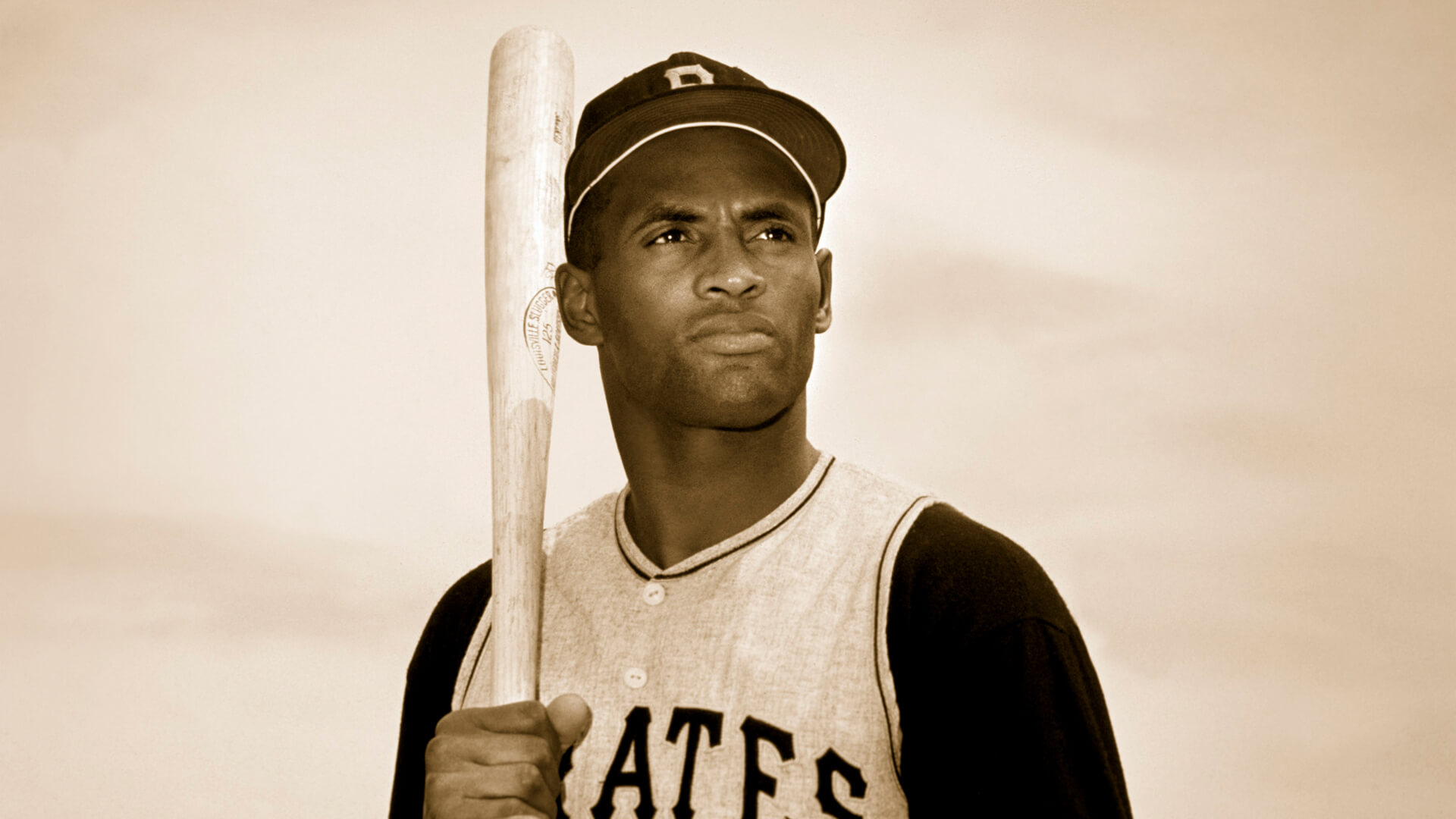
Roberto Clemente. We all know the name and that he’s significant, but I fear many people today don’t understand why. So, it’s time for a refresher on the Hall of Famer.
Roberto Clemente Walker was born on August 18, 1934, in Barrio San Antón, Puerto Rico. His legendary career started on October 9, 1952, when he signed with the Cangrejeros de Santurce of the Puerto Rican Professional Baseball League. There he caught the attention of a Brooklyn Dodgers scout, which led to Clemente signing with the team in 1954. Unfortunately, he ended up hidden away on their International League affiliate, the Montreal Royals, over concerns about having “too many minorities” on the field at once if he stayed with the main roster. That wasn’t the only issue with his ‘54 season. Because his development was mishandled, he played poorly against that level of competition. Thankfully, the Pittsburgh Pirates selected Clemente in the Rule 5 draft that November, and this is where everything changes.
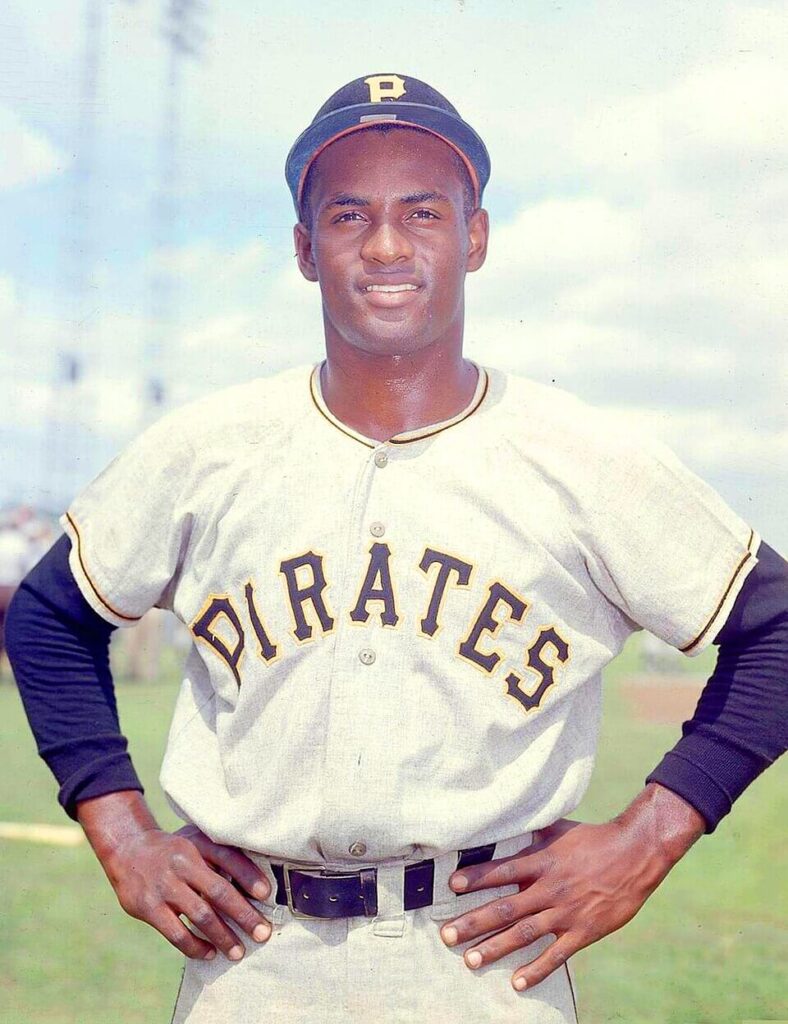
After sending his mother a photograph of himself in a Pirates uniform, signed “To Mother With Love,” he made his Major League Baseball debut on April 17, 1955. The following year, on July 25, 1956, he made history as the only player to hit an inside-the-park walk-off grand slam. For those who don’t know the terminology, he won the game in such a unique way that in the 150-plus years of Major League Baseball, no one else has done the same thing. Mind you, all 30 teams now play at least 162 games a year, not including playoffs. With that much baseball played over the years, pulling off something this rare is one for the history books. After this, the floodgates open for his accolades on and off the field. In 1958 he joined the Marine Corps Reserve, where he broke records for chin-ups and the obstacle course run time. Roberto Clemente was a man destined for greatness no matter where life took him.
Clemente served in the reserves until 1964 alongside his baseball career, which ended in 1972. Over 18 seasons, he racked up 2 World Series titles, a National League MVP award, a World Series MVP award, 4 batting titles, 12 Gold Gloves, and 15 All-Star selections, and he became the first Latin American player to join the 3,000-hit club. That made him a clear-cut case for the Baseball Hall of Fame, and he was inducted posthumously in 1973. He died in a plane crash just months after his final game. The cargo plane was carrying supplies to the people of Nicaragua after a devastating earthquake, and Clemente wanted to make sure the supplies got there. His passing was tied to the greatest aspect of him as a human: his empathy and philanthropy.
As great as his accomplishments were on the field and in the military, his greatest impact was on those in need. From standing up to the blatant racism he and his fellow black teammates faced early in his career, to organizing a relief committee almost immediately after the Nicaragua earthquake, he spent as much time as he could helping others. He even saw baseball as a way to better the lives of Puerto Rican children. He believed in that so thoroughly that his self-proclaimed greatest ambition was to build a “sports city” for Puerto Rican kids, where they could learn the importance of sports and the positive values that come with them. It was a dream that grew out of the baseball clinics he held for thousands of children across Puerto Rico.
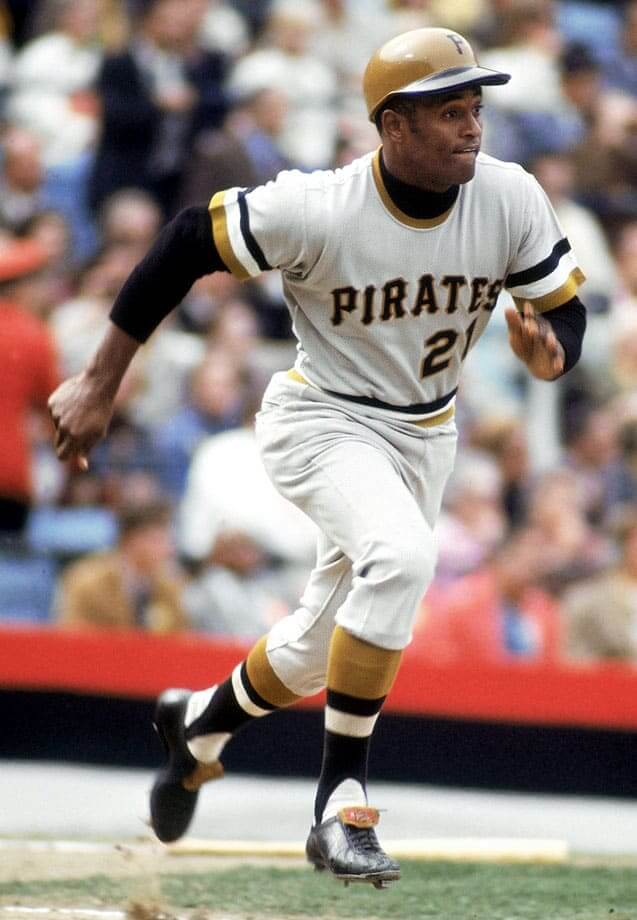
Roberto Clemente wasn’t just a great player, but a great man. He was a role model who tried to uplift everyone around him, especially the less fortunate, and a man who literally laid his life on the line more than once. He’s an inspiration to many, not only to do your best in your craft, but to share your passion and help others. His impact is still felt today through the many dedications in his honor. Every year since 1971, Major League Baseball has presented what is now the Roberto Clemente Award to the player who best exemplifies community service and the honor of helping others. There’s also the Roberto Clemente Foundation, dedicated to “Building Nations of Good,” something especially needed today.
There might never be another player like Roberto Clemente, let alone another person like him. And although we may never have the odd street or middle school named after us like Clemente, the greatest part of his legacy is what we should all strive to do every day: help whoever we can, when we can.