




by Rosa Parra
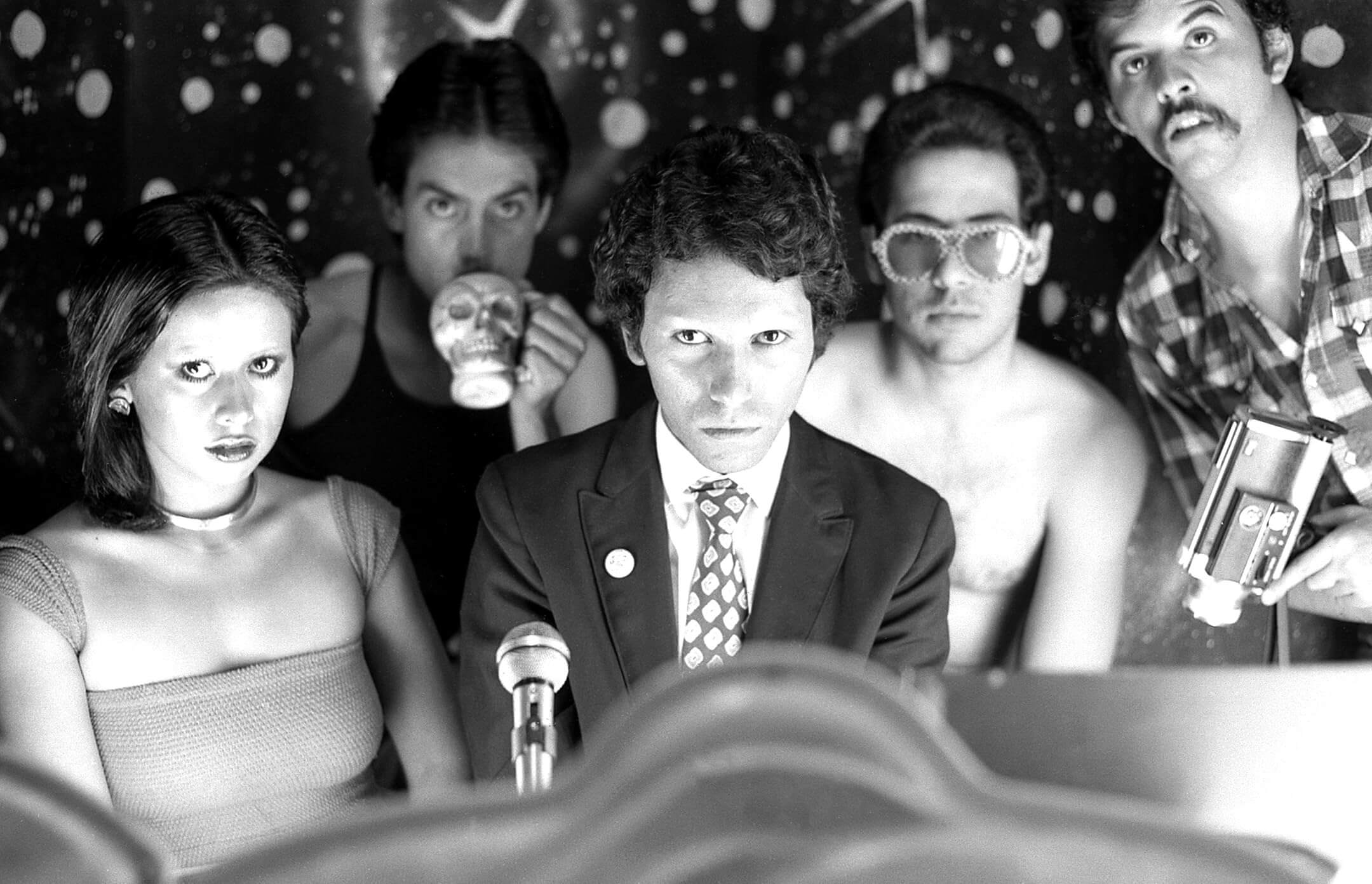
ASCO: Without Permission, directed by Travis Gutiérrez Senger, explores the rise and influence of the ASCO art collective from 1972 to 1987. Founded in East L.A. by Harry Gamboa Jr., Gronk, Willie Herrón III, and Patssi Valdez, the group challenged and reshaped artistic boundaries through a radical, distinctly Chicano perspective. These young Los Angeles artists brought a guerrilla approach to performance and conceptual art, experimenting boldly with form and creating a new artistic language.

I’m embarrassed to admit I had no idea what ASCO stood for—referring to the group, not its Spanish meaning. What’s more frustrating is that this history took place in East L.A., yet it remains absent from most history classes and textbooks.
Rooted in the origins of Chicano identity, these artists initially engaged in activism through political means. Some participated in the Garfield High School walkouts, while others were driven by curiosity about expressing their emotions, experiences, and Mexican American identity. They used conceptual performance, muralism, and multimedia art to confront racism, police brutality, and Latino exclusion.
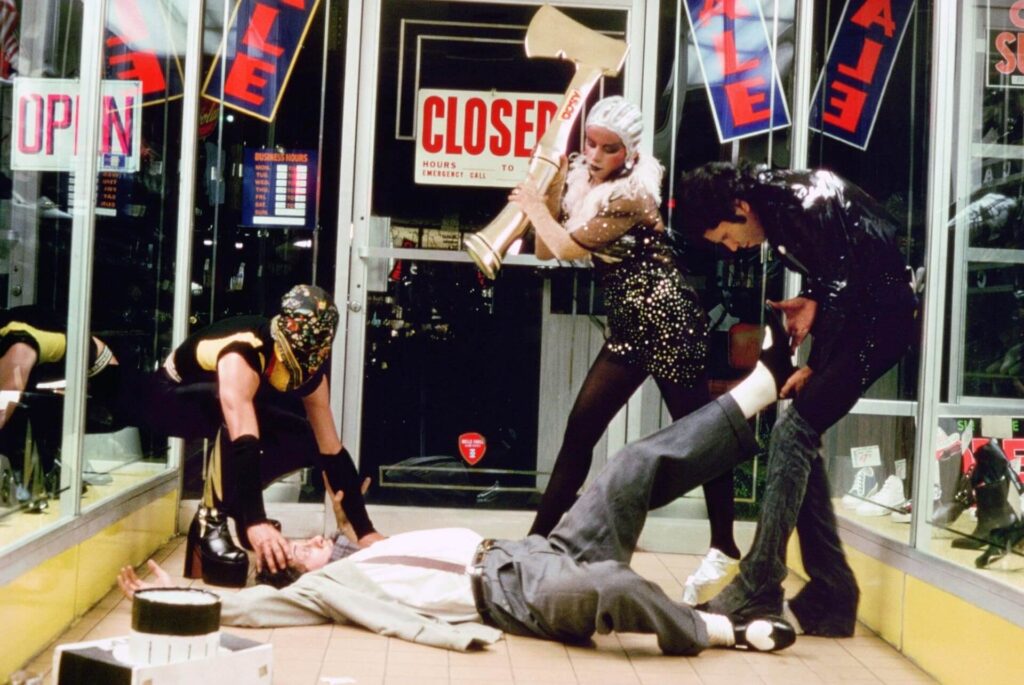
Sadly, but unsurprisingly, parallels exist between Latinos in Hollywood and in the art world. With insights from Michael Pena and Zoe Saldana, they offer a perspective on how even well-known Latino actors struggled early in their careers to secure opportunities. Hollywood’s limited perception of Latinos for decades restricted many actors’ prospects. ASCO was no exception. Rather than lament these limitations, they created their own opportunities by making their own films. It was inspiring to see how they diversified their artistic expression—truly commendable.
This documentary offers a compelling look at a group of artists who challenged the status quo by boldly expressing their views through their work—punk, raw, and authentic. Their story is worth watching because their influence persists today. Though their work remained in obscurity for decades, it is now finally recognized. ASCO was ahead of its time; because it refused to conform to conventional standards, it was temporarily erased from history. Now, they shine brightly, as they always deserved, thanks to their intellectual brilliance.
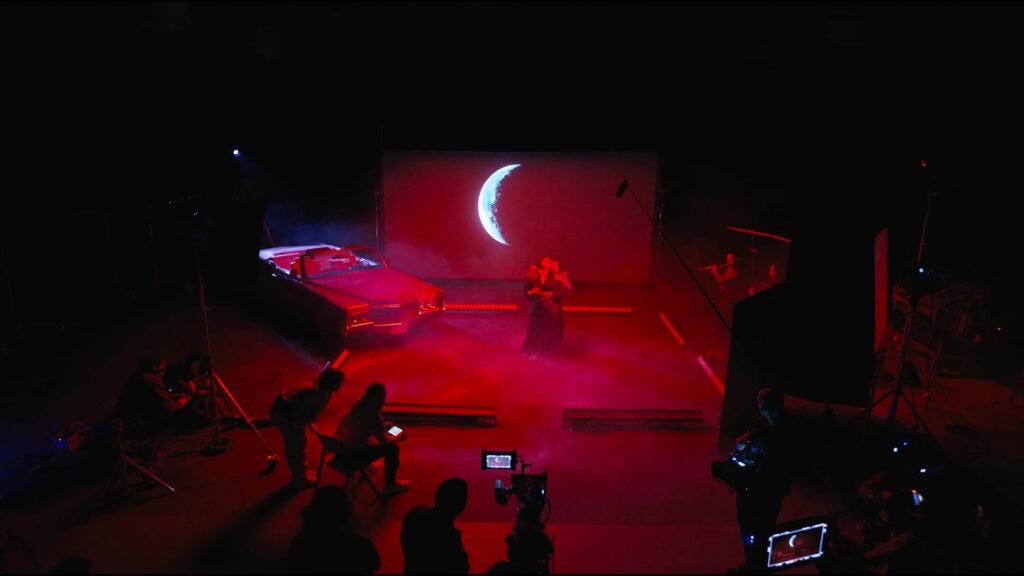
It’s hard to imagine a more fitting full circle moment than having this group’s work showcased at the Los Angeles County Museum of Art. Decades ago, they graffiti-ed their names on the same museum after uncovering the lack of Chicano art in an L.A. institution—a city where Chicanos formed a vibrant minority. This is a must-see film about Chicano history.
Rating: 9/10