




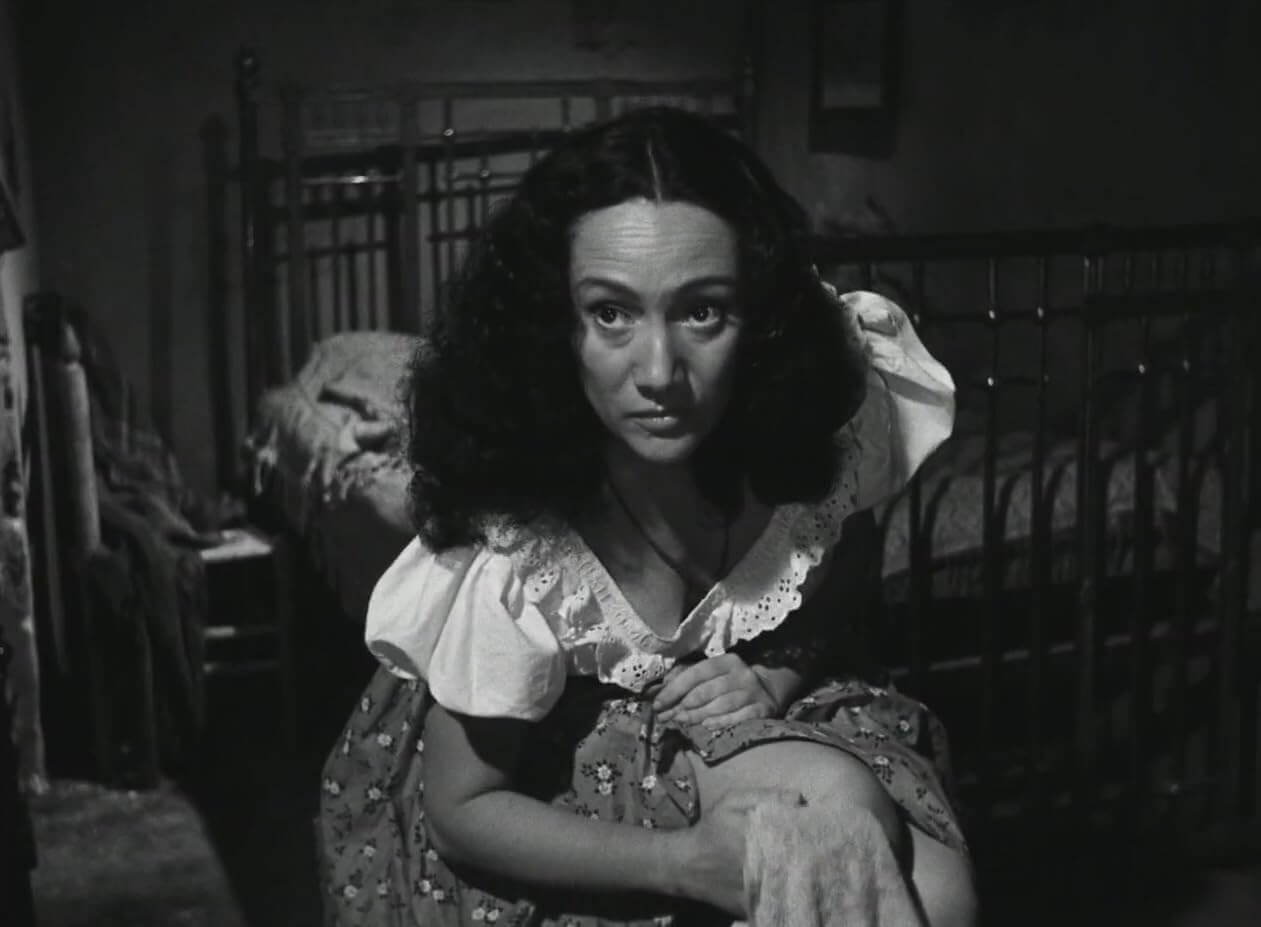
This year, Mexican cinema celebrates its 130th anniversary. And while Lupita Tovar made history as the young woman forced into prostitution in Santa (directed by Antonio Moreno), the first Mexican talkie released in 1932, the story of motherhood in Mexican cinema is an entirely different one.
The so-called Golden Age of Mexican cinema began in 1936 with the enormous success of Allá en el Rancho Grande, directed by Fernando de Fuentes and considered the first great comedia ranchera. But the era’s first iconic mothers appeared in the following decade, particularly in melodramas such as Cuando los hijos se van, directed by Juan Bustillo Oro. In that film, Sara García played the long-suffering mother whose children gradually leave the family home.
A year later, at the age of 43, García became Mexico’s beloved cinematic grandmother—la abuelita de México—after starring in La abuelita, directed by Raphael J. Sevilla. According to legend, she had several healthy teeth extracted in order to secure the role. She would go on to become the on-screen grandmother of stars such as Pedro Infante.
García was not the only actress to transform herself for a challenging role during the Golden Age. Dolores del Río, already an international star in Hollywood, delivered one of the finest performances of her career in Las abandonadas, directed by Emilio Fernández. She played a woman in post-Revolutionary Mexico who, after being abandoned while pregnant, is forced into prostitution. Though she later falls in love with a supposed general—played by Pedro Armendáriz—she eventually discovers he is a bandit. Ultimately, her greatest devotion is to her son, and her self-sacrificing portrayal earned del Río the first-ever Ariel Awards Best Actress prize in 1945.
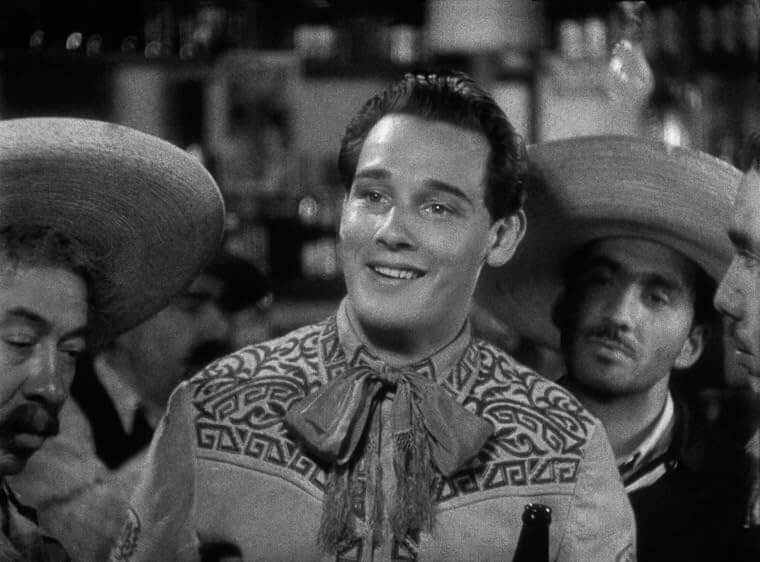
A decade after Allá en el Rancho Grande, Mexico’s film industry was flourishing. It was therefore no surprise that renowned Spanish filmmaker Luis Buñuel found a creative home there. After shocking the world with his surrealist debut Un Chien Andalou and exploring stark social realities in Las Hurdes, Buñuel was driven into exile by the Spanish Civil War. Unable to secure projects in Hollywood, he moved south to Mexico, where he began directing commercial films to survive, starting with Gran Casino, starring Jorge Negrete.
The film was produced by Oscar Dancigers, who reunited with Buñuel for the successful comedy El Gran Calavera. Following the massive box-office success of Nosotros los Pobres and its sequel Ustedes los Ricos—both directed by Ismael Rodríguez and starring Pedro Infante—Buñuel was given the green light to make his third Mexican film: Los Olvidados, set in the impoverished neighborhoods of Mexico City.
Hoping to replicate the commercial success of Nosotros los Pobres, Dancigers hired its screenwriter, Pedro de Urdimalas. Yet Urdimalas ultimately asked for his name to be removed from the credits. During production, resistance to the film was intense. One technician confronted Buñuel, asking why he was making what he called a “pathetic” film instead of a “real” Mexican movie. A hairdresser reportedly quit in anger over one of the scenes.
Mexican audiences initially shared that reaction when Los Olvidados premiered in 1950. Many were offended by its stark depiction of poverty and violence, but perhaps most shocking of all was the mother portrayed by Stella Inda, who openly despises her eldest son, played by Alfonso Mejía.
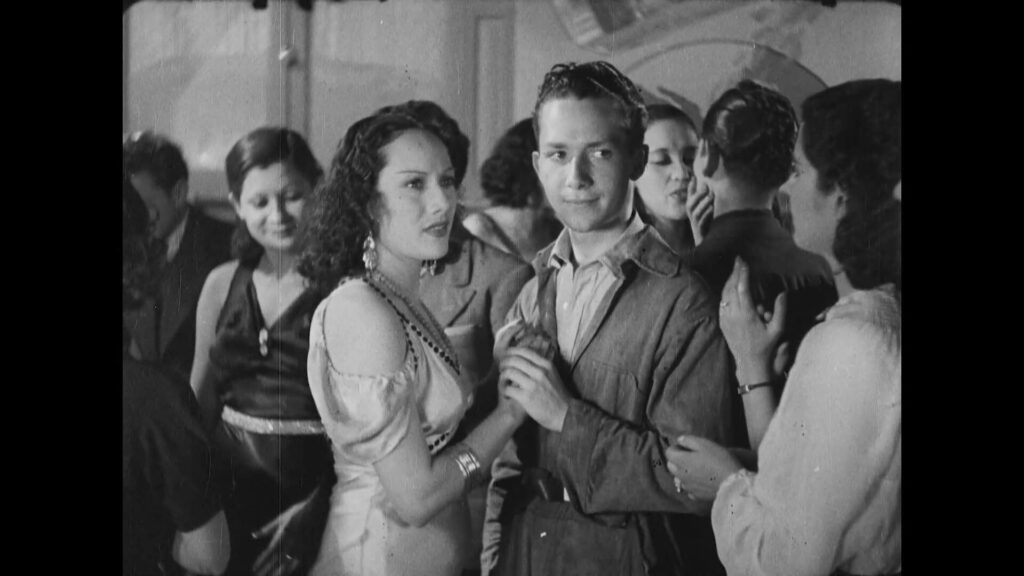
Inda was no stranger to controversial roles. Her first leading performance came in La mancha de sangre, directed by Adolfo Best Maugard. The film was banned by the Mexican government for its portrayal of a dancer and prostitute who feels no guilt about her life and pursues happiness on her own terms. In Los Olvidados, Inda revisited similarly provocative territory, portraying a mother who, in order to pursue an affair with her son’s tormentor—played by Roberto Cobo—casts her child out, pushing him further toward delinquency.
Her performance stood in stark contrast to the redeemed La Tísica, played by Carmen Montejo in Nosotros los Pobres, who returns to her neighborhood seeking her daughter’s forgiveness before she dies.
Los Olvidados was ultimately vindicated. After its difficult initial release, the film triumphed at the 1951 Cannes Film Festival, where Buñuel won Best Director and the film received major international acclaim. Back in Mexico, the influential poet Octavio Paz defended the film for capturing an undeniable social reality. The result was a record-setting 11 Ariel Awards, including Best Picture, Best Director, and Best Supporting Actress for Stella Inda’s unforgettable—and unforgiving—mother.
Happy (Belated) Mother’s Day.