




By D. Movieman
“To think that there are no primitive or intelligent life forms outside the world means to have never grasped the ability of this universe we live in to make what happens in one place possible in another!”
― Mehmet Murat Ildan
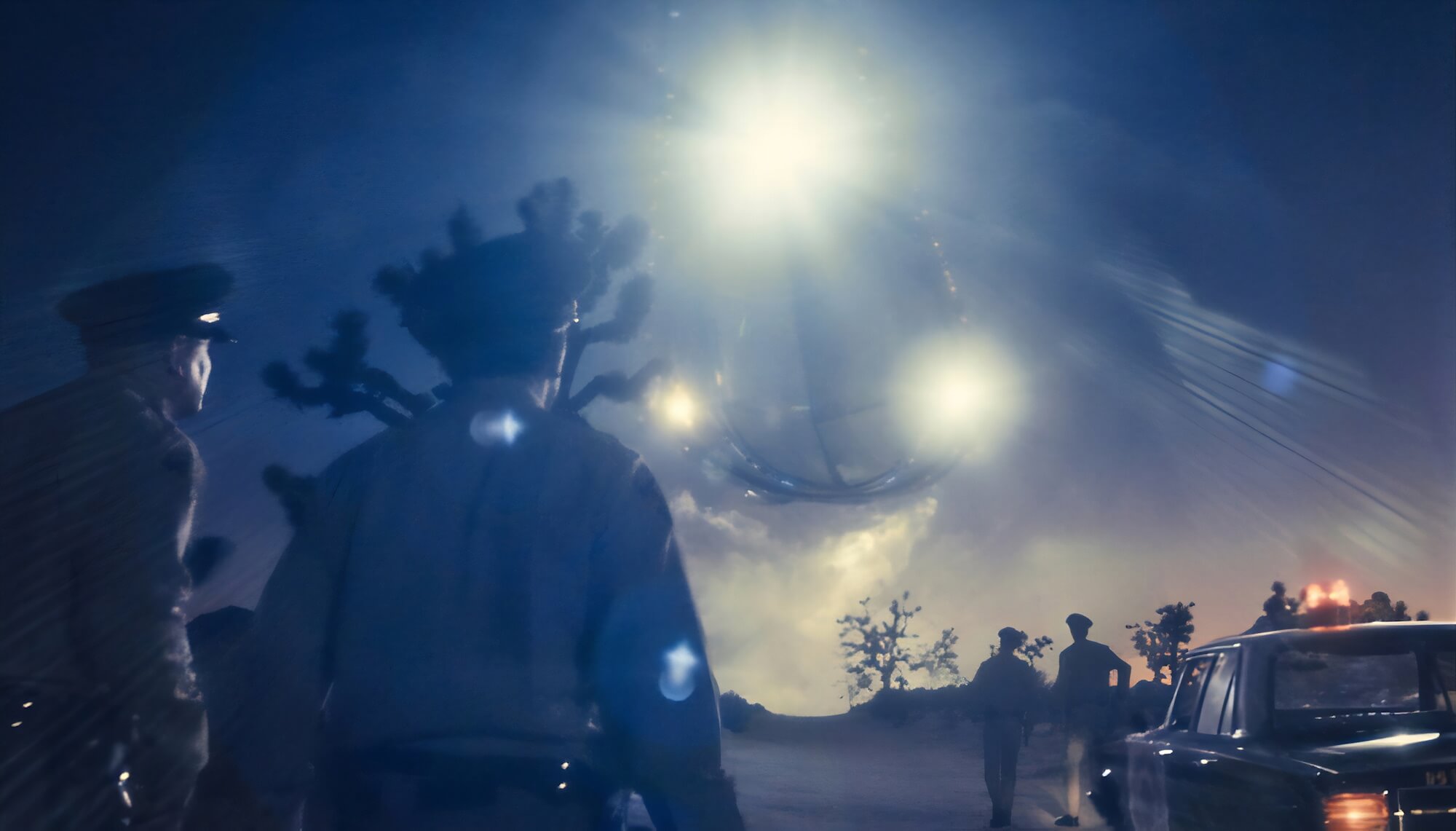
More than a century ago, French filmmaker George Méliès changed the future of cinema forever with A Trip to the Moon. This landmark achievement laid the foundation for science fiction filmmaking as we know it today. Although countless films have left an indelible mark on the genre, Steven Spielberg’s filmography occupies a uniquely influential place within it. More specifically, his fascination with the intergalactic world, as seen in Close Encounters of the Third Kind (1977), E.T. the Extra-Terrestrial (1982), War of the Worlds (2005), and Indiana Jones and the Kingdom of the Crystal Skull (2008).
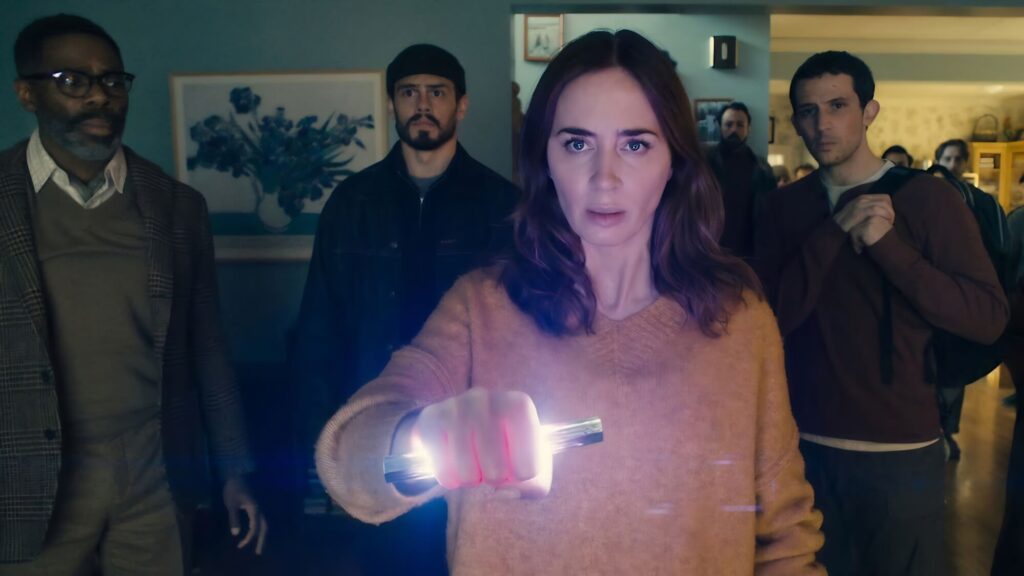
Eighteen years later, Spielberg returns to “The Great Beyond” in his newest directorial effort: Disclosure Day. Story-wise, the film is centered around Daniel Kellner, a young whistleblower who finds himself targeted as he attempts to expose a massive government conspiracy. His pursuit of the truth is further complicated by Margaret Fairchild, a Kansas City TV meteorologist who begins to experience unexplainable metaphysical changes. As their paths converge, the danger surrounding them escalates considerably. Soon enough, they find themselves hurtling toward a revelation that will redefine humanity’s place in the universe.
It’s nearly impossible to fully quantify Steven Spielberg’s contributions to the cinematic landscape. With a career spanning 6 decades and 34 feature films, there’s a palpable excitement that accompanies every new Spielberg release. As such, there’s plenty of that excitement to be found in Disclosure Day. The audience’s enthusiastic response throughout the screening only reinforced that impression.
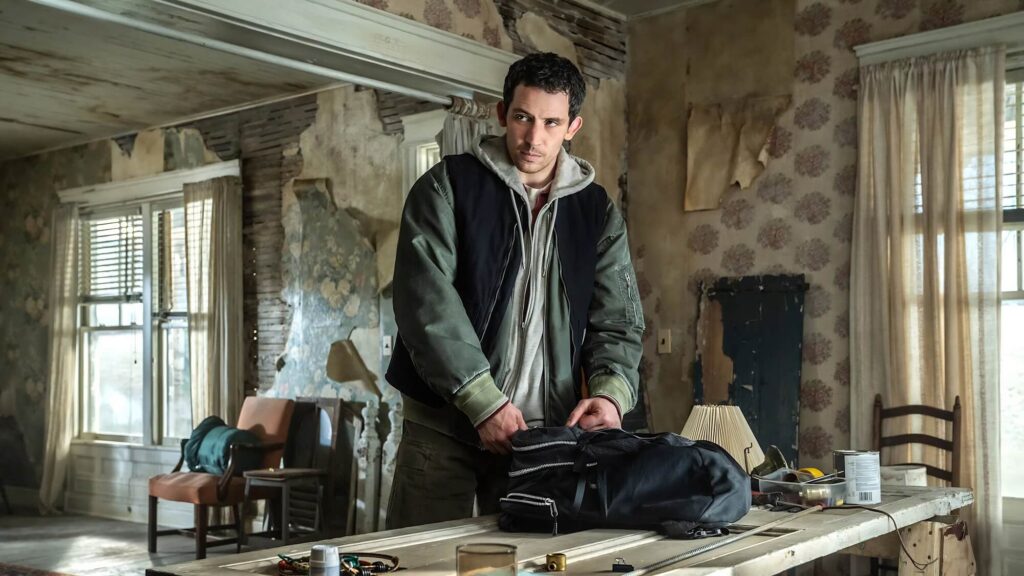
One of the film’s greatest strengths comes from its impressive ensemble cast. Josh O’Connor has been one of my favorite rising actors since his breakthrough performance in God’s Own Country. Here, he captures all of the fear, uncertainty, and persistence present throughout Daniel’s journey. Emily Blunt first graced my theater screen with her hilarious breakout role in The Devil Wears Prada two decades ago. In turn, her embodiment of Margaret is deeply riveting with surprisingly humorous touches.
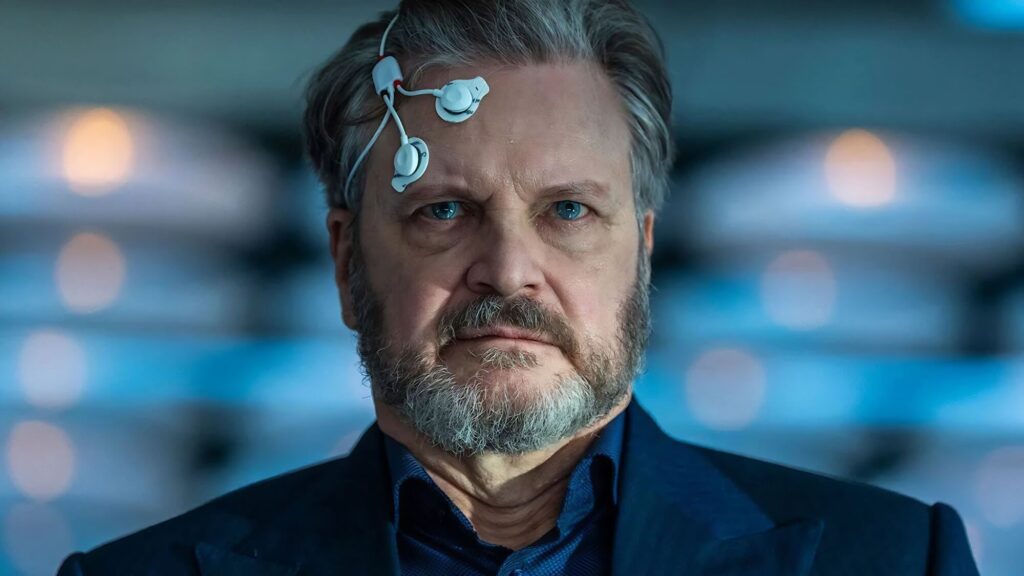
Equally important is the story at the heart of Disclosure Day, which offers a unique perspective and adds new depth to the familiar alien narrative. It does so through the exploration of belief, empathy, humanity, and connection. Case in point? One climatic scene occurs when the film’s antagonist, Noah Scanlon (Colin Firth) uses a cosmic device to “contact” Jane (Eve Hewson), Daniel’s girlfriend. It’s frightening, thrilling, and unsettling all at once. Similarly, watching the evolution of Margaret’s “altered” communication with others is hilariously entertaining.
Despite its merits, with a runtime of 2 hours and 25 minutes, Disclosure Day is rather overstretched. It would certainly benefit from a 15-minute trim. Furthermore, its attempts to balance humor and profundity don’t always work, coming off as schmaltzy instead. The use of CGI animals certainly doesn’t help. For much of its runtime, the film maintains a compelling sense of momentum and intrigue. Yet that buildup never translates into a fully satisfying finale, leaving me oddly underwhelmed instead.
Anyone seeking out a notable addition to Steven Spielberg’s extensive filmography and the alien subgenre will find much to enjoy in Disclosure Day. It’s a film that measures the existence of extraterrestrial life against the potential of humanity’s shared future. Although its payoff doesn’t fully live up to its intriguing setup, Disclosure Day remains a worthwhile addition to the science-fiction genre. Its unique perspective proves that, like Méliès, our fascination with “The Great Beyond” remains as powerful as ever.
Rating: 7.5/10