




by Cyn’s Corner
Biopics often walk a fine line between celebration and exploration, and Michael ultimately leans more toward the former. While far from perfect, the film is also far better than some critical reactions might suggest—especially when judged on the strength of its central performance.
As someone who has considered Michael Jackson my favorite singer for most of my life, my connection to this story runs deep. I still remember my first exposure to him—sitting in math class as a teacher rolled in a TV to play the Thriller music video. I was completely mesmerized… until he turned into a werewolf and scared me half to death. That moment stuck with me, and it sparked a lifelong appreciation for his artistry that inevitably shapes how I view a film like this.
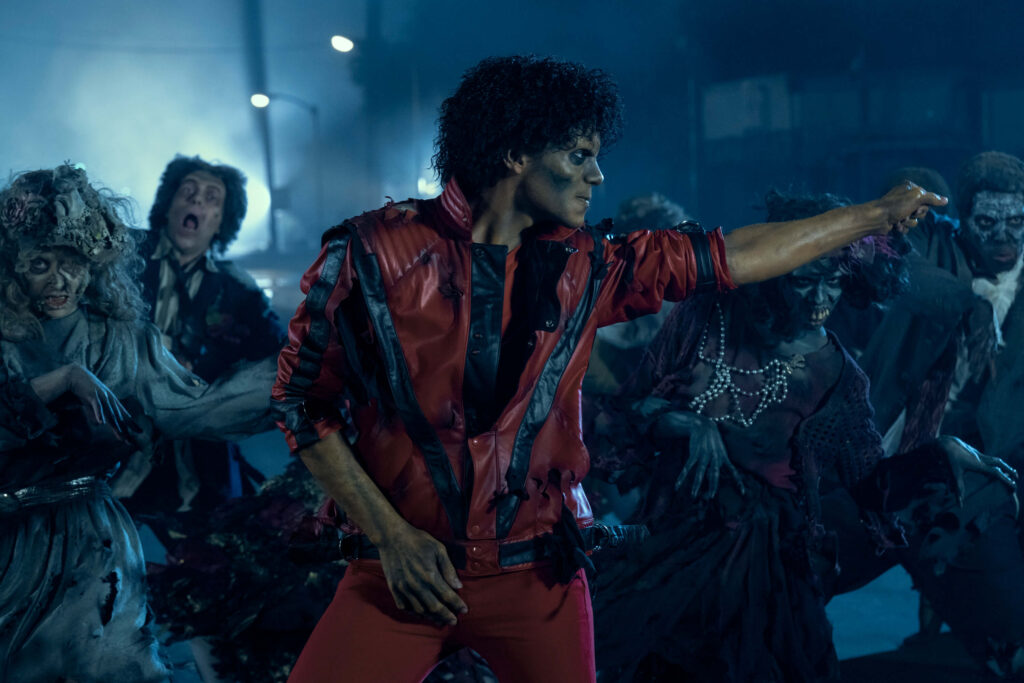
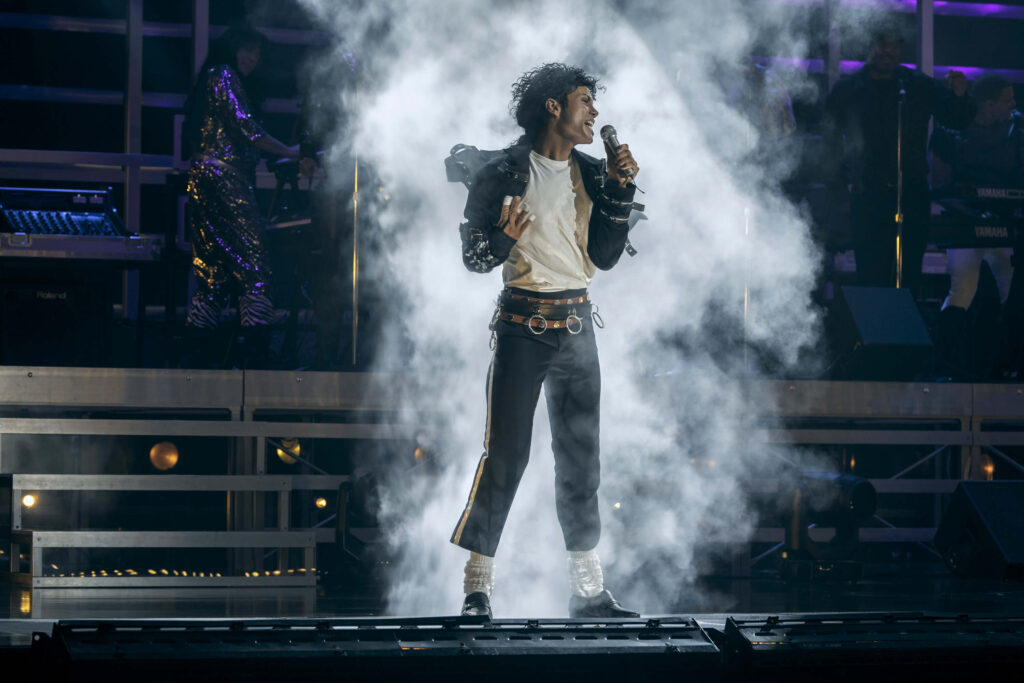
Jaafar Jackson delivers a truly remarkable portrayal of his uncle, embodying Michael Jackson with a level of authenticity that feels uncanny. From the voice and physicality to the emotional nuance, Jackson doesn’t simply imitate—he disappears into the role. It’s an especially impressive feat given that this marks his first major acting performance, and it alone makes the film worth seeing, particularly on the big screen where the concert-style sequences can fully shine.
Covering Michael Jackson’s life from his childhood in the late 1960s through the Bad era, the film does an effective job of conveying just how massive his cultural impact was. Iconic moments—like the creation of Thriller and the staging of his biggest hits—are recreated with care, offering a steady stream of nostalgia. For longtime fans, these sequences are likely to be deeply affecting.
However, the film’s greatest strength is also where it begins to falter. Structurally, Michael follows what Jeremy Jahns has described as a “biopic 101” formula, presenting a highlight reel of defining moments rather than a deeply layered character study. It often feels like a “greatest hits” version of Jackson’s life—as Chris Stuckmann put it—prioritizing the performer over the person. While glimpses of his inner world are present—particularly in his complicated relationship with his father, Joe Jackson—the film doesn’t spend enough time unpacking the emotional and psychological complexities that shaped him.
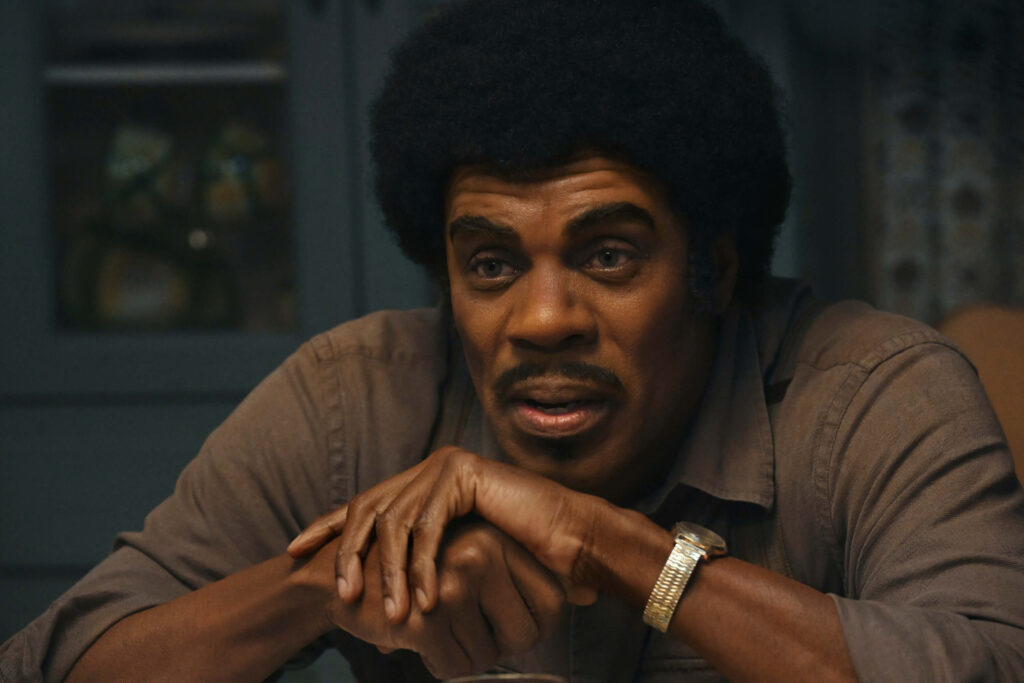
That father-son dynamic becomes one of the film’s most compelling storylines. Joe Jackson is positioned as a harsh, often domineering figure, and Coleman Domingo is excellent in the role—bringing a real weight and presence that makes Joe feel intimidating and fully realized, even if the film largely presents him as a fairly one-note villain. The impact of that upbringing on Michael is evident throughout. These moments hint at a deeper, more personal film that never fully materializes.
There are also signs of a production constrained by circumstances. The film’s final act feels notably incomplete, ending during the Bad tour despite decades of Michael Jackson’s life still left unexplored.
That lack of closure isn’t entirely by design. The production reportedly had to undergo significant reshoots after the filmmakers realized they were not legally allowed to portray the family of Michael Jackson’s accuser in the film. This led to a major rewrite of the final act, which helps explain why the story feels cut short and why it ends where it does rather than exploring the later, more controversial chapters of his life. As of the writing of this review, it’s not yet clear if a follow-up film covering his later years will be made, and that will likely depend on how this one performs.
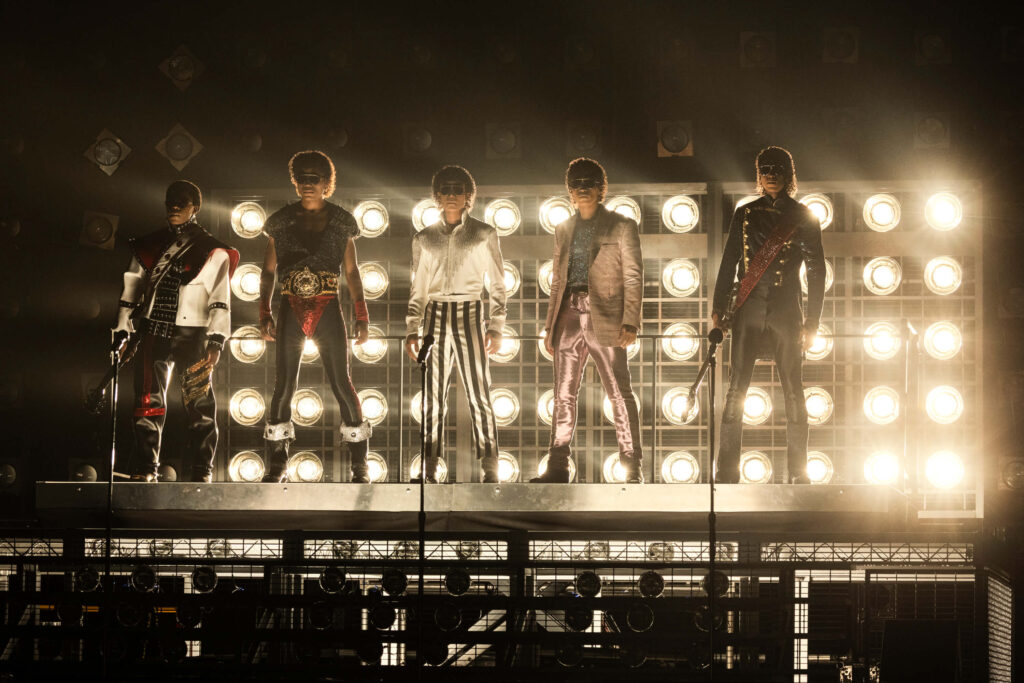
Even so, Michael remains an engaging and often moving experience. It captures the magic of Jackson’s artistry, offers flashes of genuine emotional insight, and is anchored by a standout performance that does justice to his legacy.
In the end, this is a film that works best as a tribute rather than a definitive biography. It may not fully explore the man behind the icon, but it reminds us why Michael Jackson’s impact remains unmatched—and why his story still deserves to be told in full.
Rating: 7.9/10