


Hollywood has a long history of whitewashing—casting white actors in non-white roles, often accompanied by makeup, accents, or other alterations to “fit” the character. This practice stemmed from studio preferences for bankable stars, assumptions about audience appeal, and sometimes outright racial biases. Classic examples include Mickey Rooney’s yellowface in Breakfast at Tiffany’s (1961) or Elizabeth Taylor as Cleopatra. While overt blackface or yellowface has largely faded, subtler forms persist, such as casting white or light-skinned actors in roles tied to specific ethnic or cultural identities.
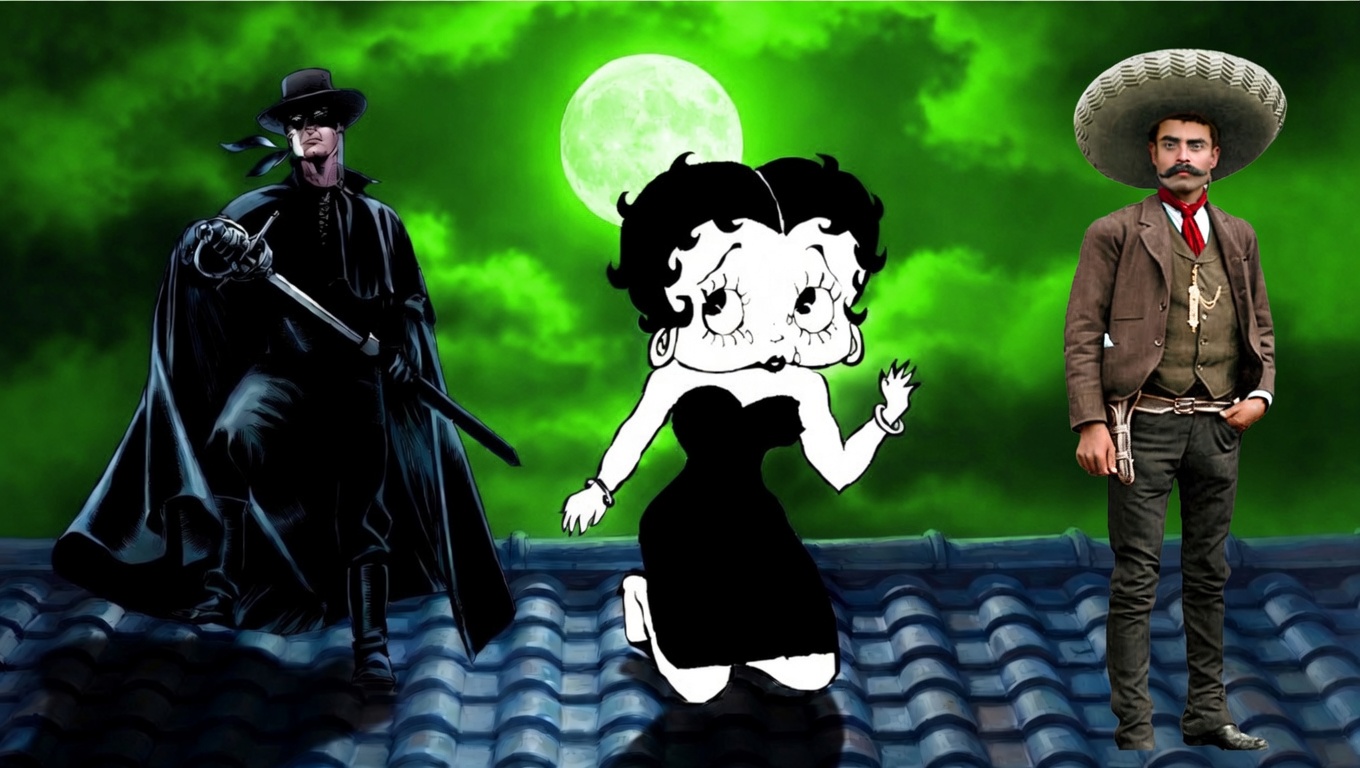
The stories of Zorro, Betty Boop, and Emiliano Zapata illustrate variations on this theme in popular culture and Hollywood. Each shows similarities to traditional whitewashing but also key differences shaped by the era, medium (live-action vs. animation), and evolving cultural sensitivities.
Zorro: The Masked Hero and “Spaniard” Casting
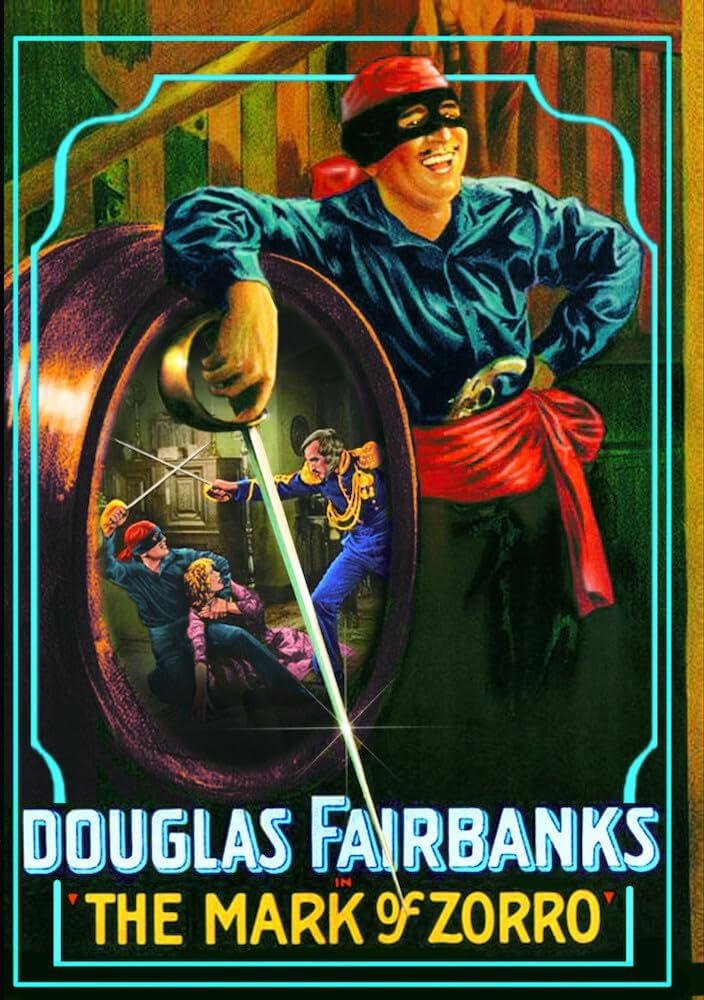
Zorro, created by Johnston McCulley in 1919, is Don Diego de la Vega—a wealthy Californio (Spanish/Mexican heritage) nobleman who fights injustice in Spanish-era California as the masked vigilante. Early live-action portrayals featured white actors like Douglas Fairbanks (1920) and Tyrone Power (1940), reflecting the era’s norms where “exotic” or Latin roles went to Anglo stars for broad appeal. Zorro was indeed inspired by legendary bandit Joaquin Murrieta.
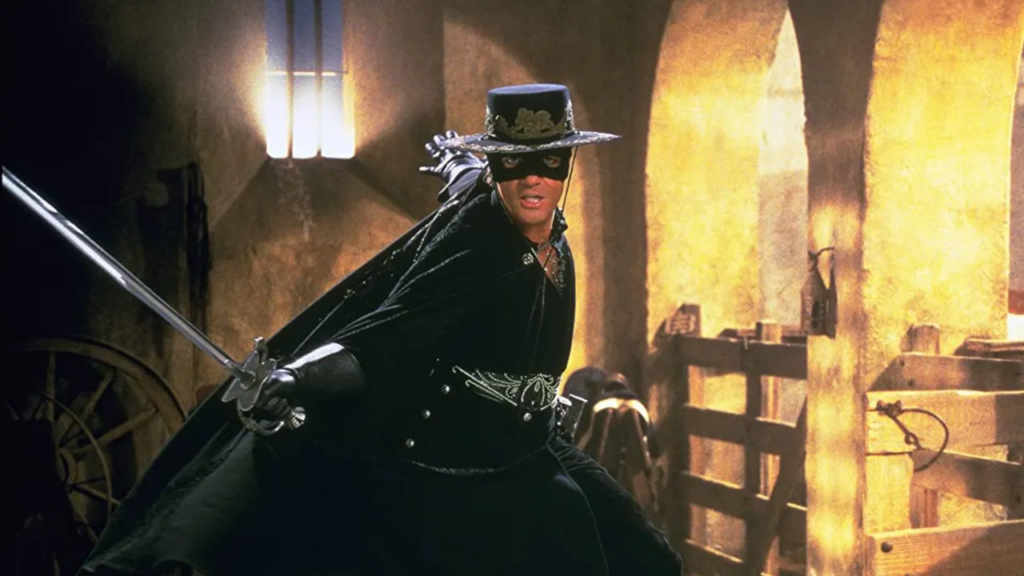
In the 1998 hit The Mask of Zorro, Antonio Banderas (Spanish actor) played the younger Zorro, a relatively authentic choice for the character’s heritage. However, the film drew criticism for whitewashing supporting roles: Welsh actor Anthony Hopkins as the older Don Diego de la Vega and Catherine Zeta-Jones (Welsh) as the love interest Elena. Tom Cruise reportedly turned down the lead role partly due to whitewashing concerns, aware of potential backlash.
Similarities to traditional whitewashing: It prioritizes star power and marketability over ethnic accuracy, much like older films casting white actors in “foreign” roles. Hopkins’ casting echoed decades of Hollywood treating Spanish/Latin identities as interchangeable with European whiteness.
Differences: Banderas’ lead role marked progress compared to purely Anglo casts of the past. Criticism was more vocal in the late 1990s/2000s due to growing awareness of representation. The film avoided heavy makeup but still faced scrutiny for not fully committing to Latino talent across the board.
Betty Boop: Animation, Appropriation, and the “Boop-oop-a-doop” Origins
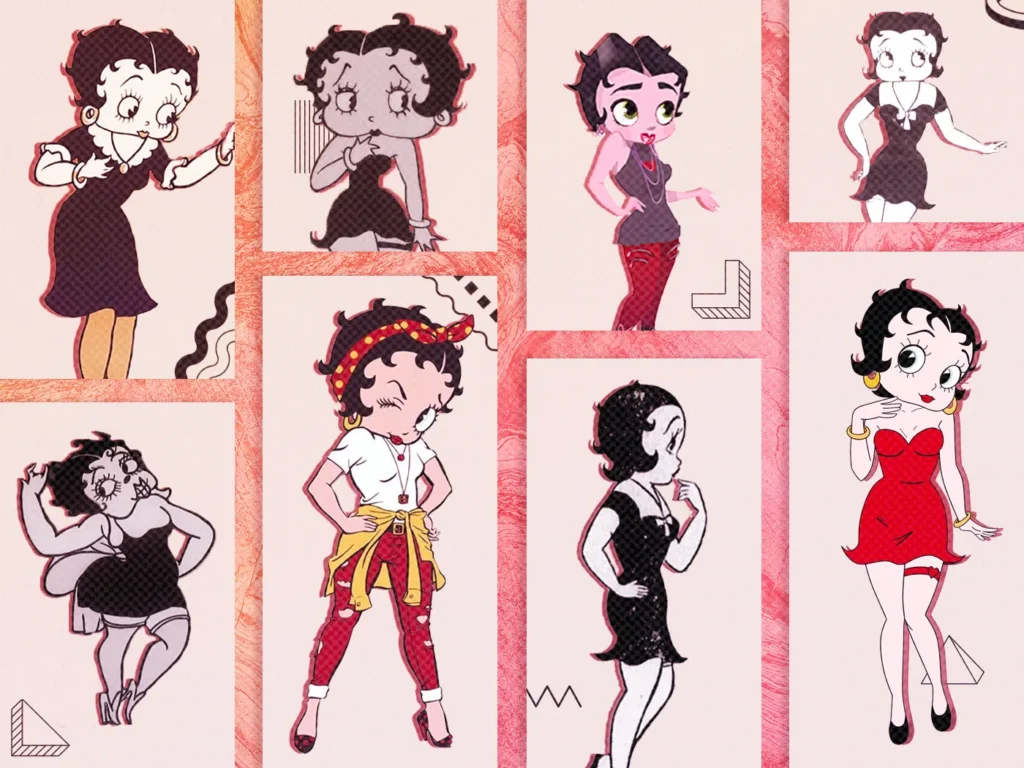
Betty Boop debuted in 1930 as a cartoon flapper with a squeaky voice, signature style, and jazz-infused persona. She is widely seen as white in popular culture—pale skin, black dress, and doe eyes. However, her creation ties into 1920s-1930s Harlem jazz culture.
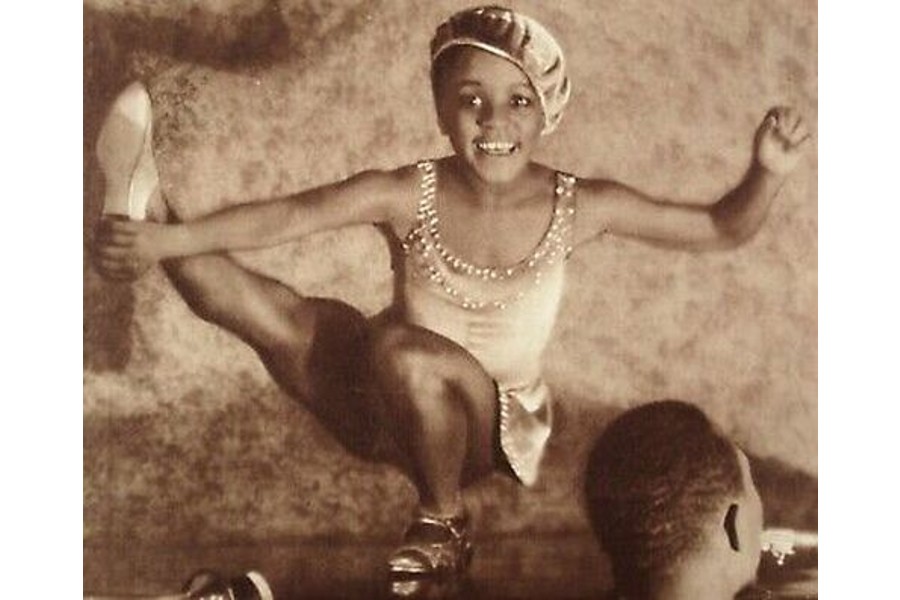
Claims persist that Betty was inspired by Esther “Baby Esther” Jones, a young Black performer known for her “boop-oop-a-doop” singing style. In a 1932 lawsuit by white singer Helen Kane (who claimed the character stole her likeness), testimony highlighted that Kane drew from Black performers like Jones. Fleischer Studios defended by pointing to broader influences, including Kane’s own style (itself influenced by jazz scenes) and Clara Bow. The court ruled against Kane, affirming the style wasn’t uniquely hers.
Similarities to traditional whitewashing: The character’s visual design was “whitened” for mainstream (predominantly white) animation audiences. Jazz and flapper elements from Black and multicultural Harlem scenes were stylized into a cartoonish white archetype, erasing or downplaying origins in a way akin to cultural appropriation. This mirrors how Hollywood often commodified Black innovations while centering white performers.
Differences: This is animation, not live-action casting, so no actor “performed” in makeup. It involves stylistic inspiration rather than a specific historical figure. Defenders argue Betty was a composite (not a direct whitewash of one person), and Fleischer creators emphasized imagination over direct copying. Modern debates often amplify the “stolen from Black woman” narrative, but historical records show a more complex blend of influences. Unlike actor-based whitewashing, the erasure here is cultural and visual in a cartoon medium.
New “Boop” Controversy
Quinta Brunson (Abbott Elementary creator and star) is developing and set to star as Betty Boop in a live-action feature film from Fleischer Studios and her Fifth Chance Productions. The Controversy
The casting has sparked immediate debate online, tying directly into the whitewashing/appropriation discussion we covered earlier:
- Supporters’ view: Many celebrate it as full-circle justice. Betty Boop’s “boop-oop-a-doop” style and flapper persona were heavily inspired by Black performer Esther “Baby Esther” Jones, a young Harlem jazz singer. The character’s visual design was then “whitened” for mainstream appeal. Casting a Black actress like Brunson is seen by some as reclaiming that erased history.

- Critics’ view: Others argue the on-screen Betty has always been depicted as a pale-skinned, white-presenting cartoon, so casting a Black actress is “race-swapping” or inauthentic to the established icon (similar to other live-action adaptations). Some call it unnecessary modernization or predict it will alienate audiences.
This mirrors the Betty Boop section of our article: the character’s origins involve cultural borrowing from Black jazz scenes, followed by visual whitening. Now, a live-action version with a Black lead flips the historical whitewashing dynamic—prompting both praise for correction and accusations of reverse erasure.
It’s early days (project is still in development), so expect more details on tone, script, and visuals soon. Brunson’s involvement as a writer/producer suggests it could be subversive and meta, leaning into the very controversies around Betty’s creation.
Zapata: Brownface and the Mexican Revolutionary

Viva Zapata! (1952), directed by Elia Kazan with a screenplay by John Steinbeck, dramatizes the life of Emiliano Zapata, the iconic Mexican revolutionary leader. Marlon Brando starred as Zapata, using brownface/makeup (including taped eyelids) to appear more “indigenous Mexican.” Anthony Quinn (Mexican heritage) played his brother but in a supporting role.
This was peak mid-century Hollywood: A white American Method actor as the heroic lead in a story of Mexican peasants fighting for land rights.

Similarities to traditional whitewashing: Direct and overt, with Brando darkening his skin and altering features—echoing blackface/yellowface traditions. Studios cast big-name white stars (Brando was a rising powerhouse) over available Latino talent like Quinn, who felt he was better suited for the lead. It prioritized “prestige” filmmaking and box-office draw while distorting historical representation.
Differences: It occurred during a time when social consciousness was shifting (pre-Civil Rights gains), yet brownface was still accepted. Unlike purely fictional characters, this was a real historical figure, making the whitewashing more egregious in terms of cultural erasure. Modern views heavily criticize it, contrasting with Zorro’s more mixed casting or Betty Boop’s animated ambiguity.
Comparisons and Evolution
- Similarities across examples: All reflect Hollywood’s tendency to center whiteness for perceived universality or profitability. They involve reshaping Latin American, Spanish-Californian, or Black-influenced cultural icons to fit dominant aesthetics—whether through casting, makeup, or visual design. This diminishes authentic voices and perpetuates stereotypes or erasure.
- Differences: Zorro shows partial progress (Latino lead with white supports). Betty Boop is about cultural borrowing in animation, sparking ongoing appropriation debates rather than strict actor casting. Zapata represents classic, unapologetic brownface on a real hero. Timing matters: 1950s Zapata was normative; 1990s Zorro drew some pushback; Betty Boop’s story fuels retrospective activism.
Today, Hollywood faces more scrutiny. Casting like Banderas’ is celebrated, while remakes emphasize authenticity. Yet debates continue, highlighting how representation evolves but legacies of whitewashing linger in popular culture’s icons. These cases remind us that “colorblind” casting often defaults to the default—and that true fidelity to stories like Zorro’s fight for justice, Betty’s jazz roots, or Zapata’s revolution requires honoring their cultural contexts.
Quinta Brunson to Develop and Star in ‘Betty Boop’ Feature Film