




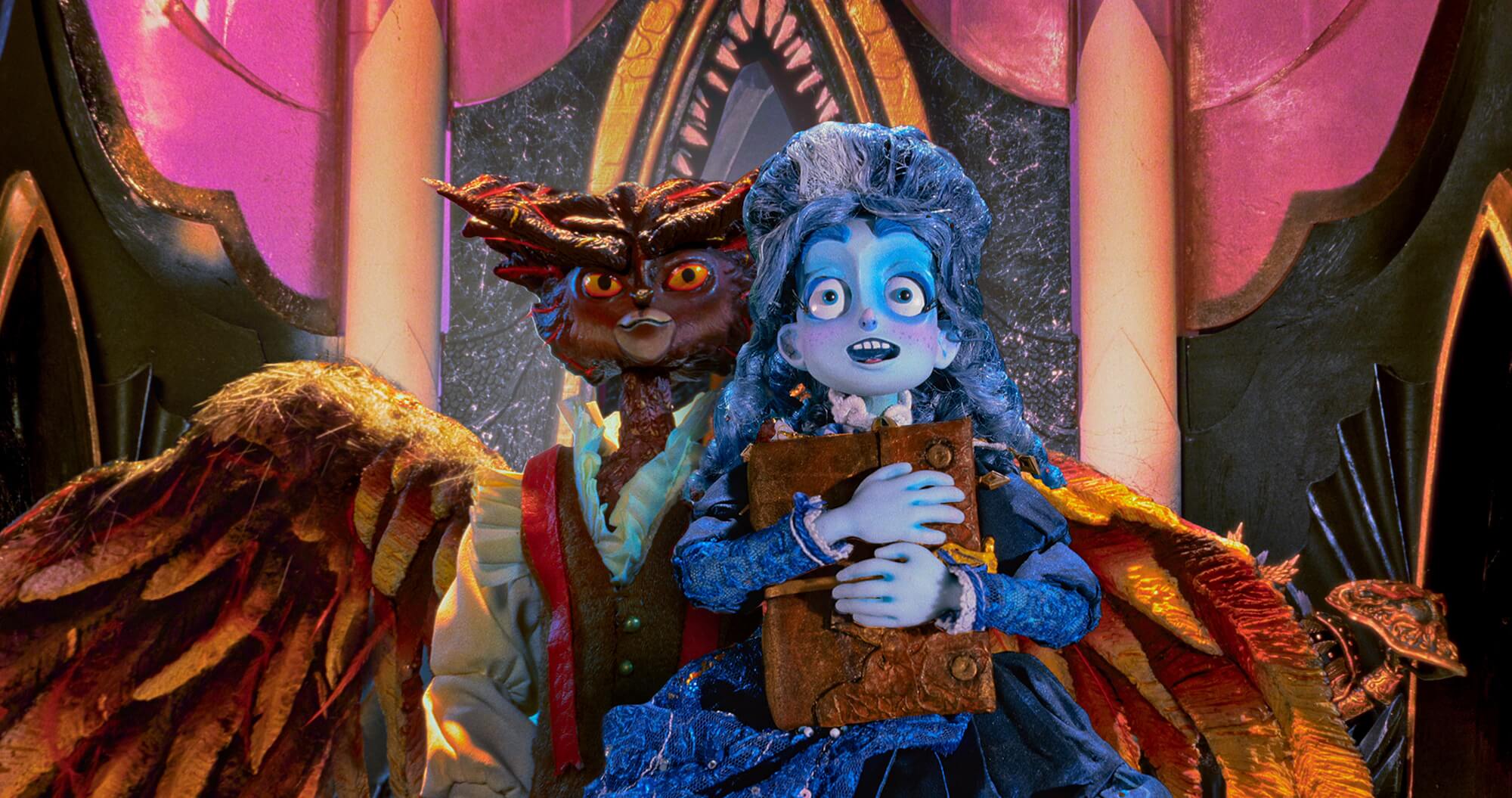
On July 1, Mexican cinema will celebrate a major milestone: the 50th anniversary of the release of the country’s first animated feature film, Los 3 Reyes Magos, directed by Fernando Ruiz and Adolfo Torres Portillo.
Inspired by the story of the Three Wise Men journeying to Bethlehem to worship the newborn Jesus, Torres Portillo wrote the screenplay with the assistance of renowned Mexican playwrights and writers Emilio Carballido and Rosario Castellanos. At the time, the Mexican government actively supported emerging filmmakers who could create artistic works with commercial appeal. Riding the popularity of Hollywood musicals such as Fiddler on the Roof (1971) and Jesus Christ Superstar, both directed by Norman Jewison, the film seemed destined for success, bolstered by the contributions of talented musicians like the Zavala Brothers (El Ceniciento).
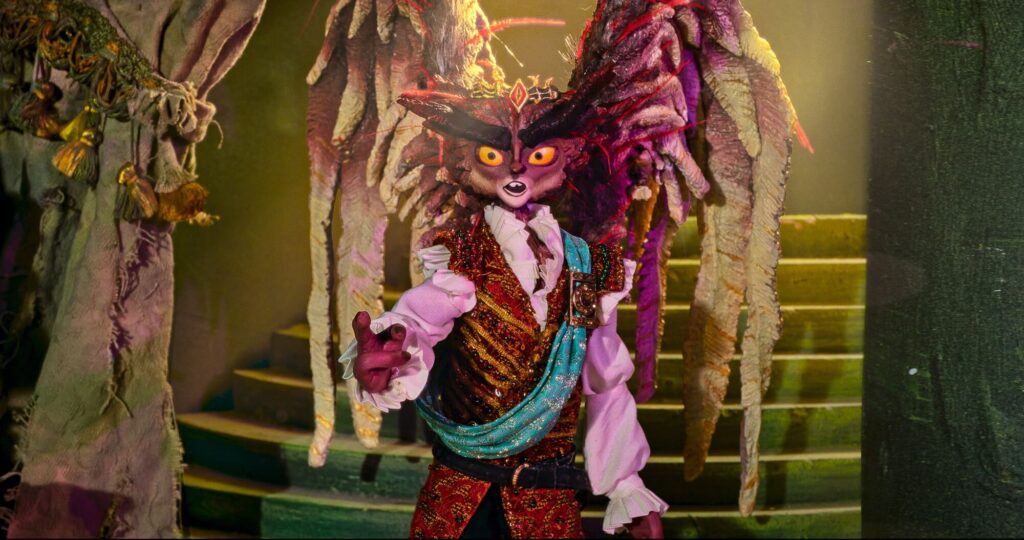
Although children of that era, myself included, embraced the film and its soundtrack—which many of us played repeatedly on our record players after seeing it—the changing priorities of the federal government that took office in December 1976 severely impacted the distribution and production of Mexican cinema. Animated filmmaking once again faded into obscurity. Fortunately, a seed had been planted in a new generation of aspiring filmmakers, including a young boy in Guadalajara named Guillermo del Toro, who produced at least three independent animated short films during the 1980s while working as production manager for Jaime Humberto Hermosillo’s La Pasión Según Berenice.
In the early 1990s, renewed government support helped launch the careers of emerging filmmakers such as Del Toro, whose debut feature was Cronos, and Alfonso Cuarón, who directed Sólo con Tu Pareja. Another beneficiary was Carlos Carrera, director of La Mujer de Benjamín. Having created six animated shorts with clay figures at the age of 12 using a Super 8 camera, Carrera later directed the animated short El Héroe (1994), which won the Palme d’Or for Best Short Film at the Cannes Film Festival—the only time Mexico has achieved that honor. Unfortunately, shifting political priorities once again stalled progress, and Carrera had to wait more than 20 years before releasing his first animated feature, Ana y Bruno.
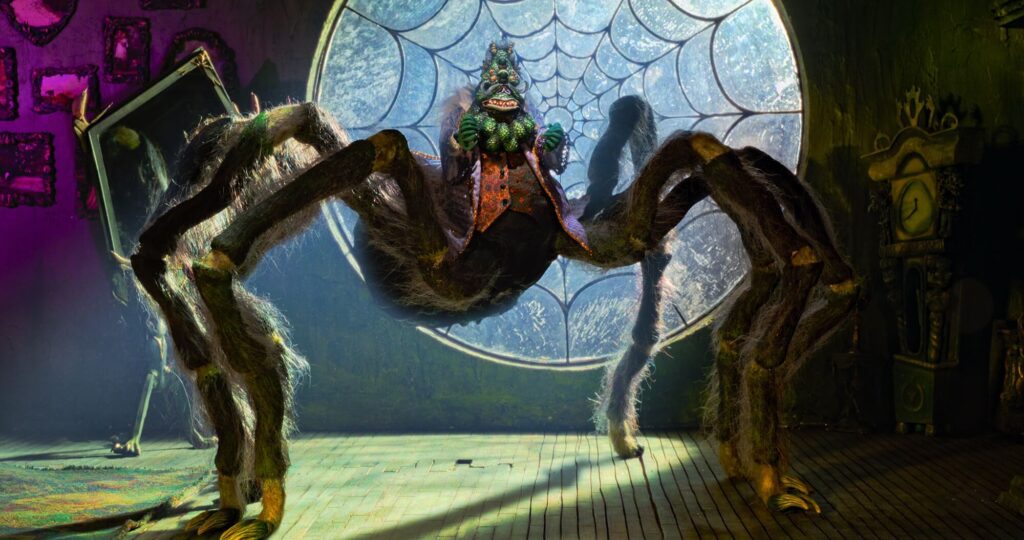
Now, after Guillermo del Toro’s Oscar-winning adaptation of Pinocchio (2022), a new chapter in Mexican animation has arrived. Netflix has released I Am Frankelda, the feature debut of Mexican filmmakers Arturo and Roy Ambriz. The film serves as a worthy heir to the tradition established by Los 3 Reyes Magos, blending the musical storytelling of that classic with the modern stop-motion artistry popularized by Pinocchio.
Set across two parallel worlds—one in Real del Monte, Mexico, in 1866, and the other in the supernatural Plano de los Sustos—the story follows aspiring writer Francisca Imelda. Struggling against the limitations imposed on women in a rigid society, she channels her frustrations into writing horror stories.
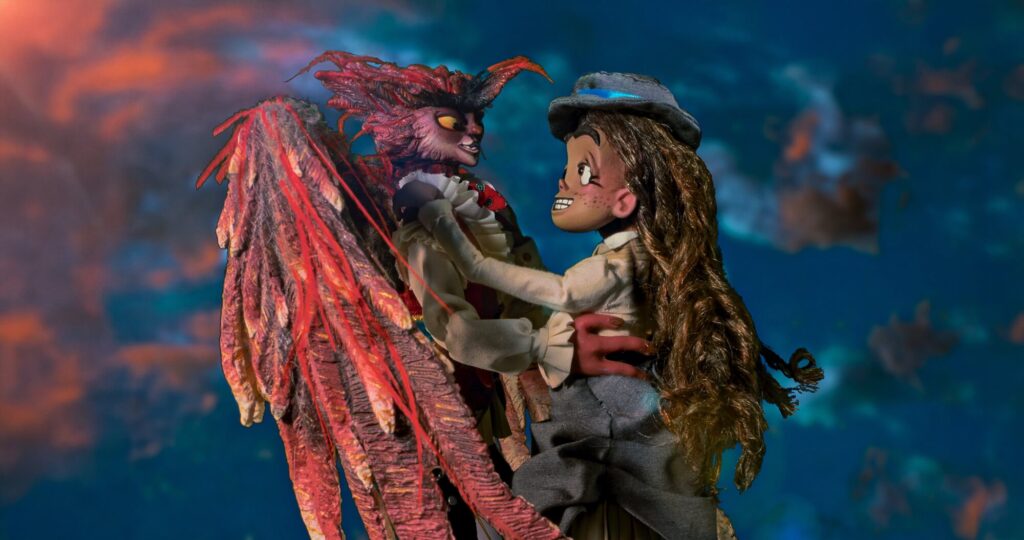
Her guide is Herneval, the “Prince of Spooks,” who enlists her help in preserving the balance between the Realm of Fiction and the Realm of Existence. Using her gift for storytelling, Francisca embarks on a fantastical journey. However, the heroine eventually transforms into the witch known as Frankelda, threatening both realities and the loved ones who inhabit them.
I Am Frankelda had its world premiere at the Guadalajara International Film Festival on June 6, 2025, and was released in Mexican theaters later that year. As the film reaches a wider audience through Netflix, it may mark the beginning of a promising new era for Mexican animation. With increased investment in film production announced by Mexico’s first female president alongside Netflix CEO Ted Sarandos, and with creative leaders such as Guillermo del Toro and the Ambriz brothers helping guide the medium forward, the future appears bright.
As Frankelda herself says near the end of the film, “There is a way for more stories.” For Mexican animation, that sentiment feels especially true.