

The 30% Paradox: Hollywood’s Hidden Life Support System (And the Filmmakers Unplugging It)
by The Latino Slant
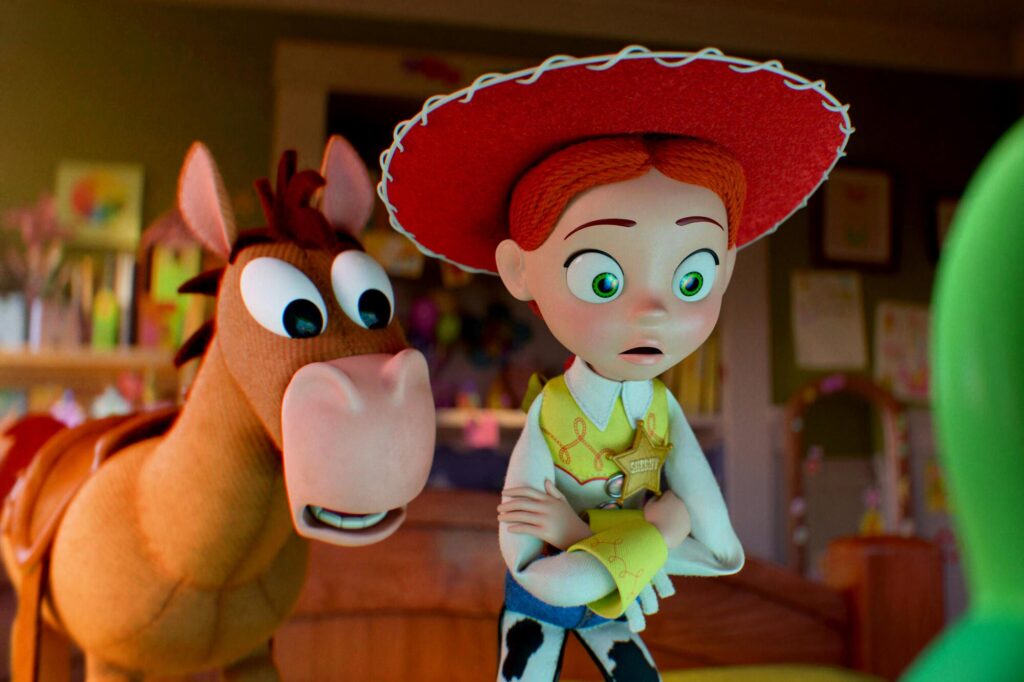
When the final box office tallies for Toy Story 5 rolled in, the industry breathed a familiar sigh of relief. But the real story wasn’t just the overall gross; it was the anatomy of the audience. Latino and Hispanic moviegoers made up an astounding 32% of the film’s turnout. Relative to general U.S. population trends, they were the highest-performing demographic in the theater. This wasn’t an anomaly. It was the latest manifestation of a deeply entrenched market reality: Latino ticket buyers, who make up roughly 19% of the U.S. population, routinely account for 25% to 30% or more of opening weekend audiences for major Hollywood blockbusters. Driven by high core moviegoing trends, a vibrant, multigenerational family culture where large groups multiply ticket sales, and a historical brand loyalty forged by Pixar milestones like Coco, this community has effectively become the ultimate theatrical safety net. Yet, this powerhouse audience is left holding a bizarre ticket: they are saving a cinematic house that rarely invites them to look in the mirror.
This stark disconnect exposes how fundamentally out of touch corporate Hollywood’s approach to Diversity, Equity, and Inclusion (DEI) truly is. As Ana Valdez and the Latino Donor Collective have pointed out in Variety, studio executives routinely treat diversity as a superficial corporate box to check or a defensive public relations strategy. They operate under a bizarre corporate timidity, viewing nuanced Latino stories as risky financial gambles while simultaneously using Latino dollars to bail out their most expensive, generic intellectual properties. Traditional gatekeepers remain trapped in a creative deficit, waiting for permission to greenlight authentic representation, entirely blind to the multi-billion-dollar economic engine sitting right under their noses.
Tired of waiting for the boardroom to wake up, a fierce grassroots movement has adopted a new mantra: Don’t wait for Hollywood. Build it yourself. Across the country, a self-sustaining ecosystem of independent creators, community film festivals, and innovative media fundraising models is bypassing traditional studio gatekeepers entirely. We have heavily documented this rising tide right here on The Slant. These filmmakers aren’t asking for a seat at a broken table; they are building their own studios.
The proof of this DIY revolution is already written in the independent market. Take the direct-to-theater and regional disruptors: the documentary American Homeboy proved the hunger for raw cultural narratives by going straight to local theaters, packing out sold-out audiences nationwide. Similarly, the independent project Las Tres Sisters debuted at the Los Angeles Latino International Film Festival (LALIFF) and bypassed a multi-thousand-theater rollout entirely. Partnering with Myriad Pictures, the filmmakers utilized a hyper-targeted regional strategy, proving that localized, community-first distribution can yield sustainable commercial success.
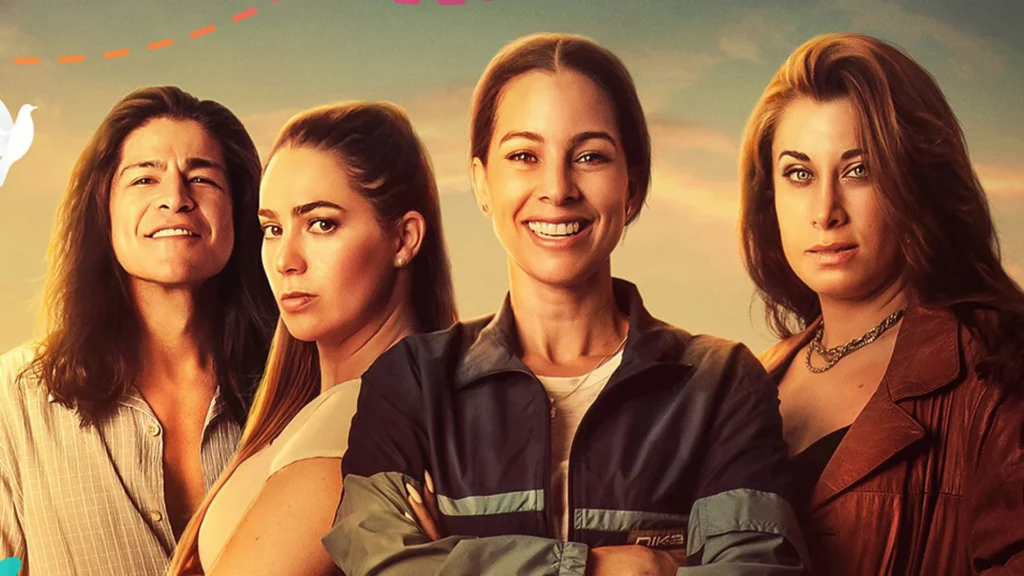
Las Tres Sisters debuted at the Los Angeles Latino International Film Festival (LALIFF) and bypassed a multi-thousand-theater rollout entirely
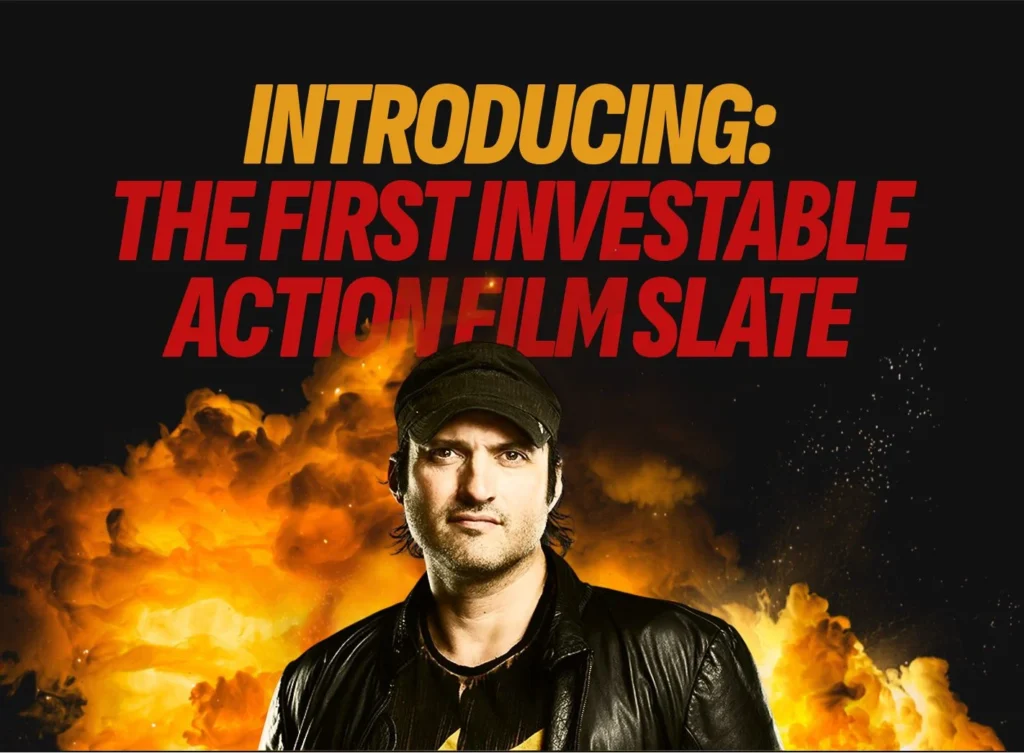
Meanwhile, a new wave of genre and digital pioneers is redefining the pipeline. Alejandro Montoya Marin leveraged his award-winning YouTube shorts and indie grit into the feature film Unexpecteds, catching the eye of Kevin Smith, who stepped in as executive producer. Writer and director Kenneth Castillo has carved out a prolific career by independently producing over six urban genre films, ignoring the mainstream machine entirely. In the micro-budget and streaming space, creators are playing the distribution game with surgical precision. The film Clicka was made for a lean $2 million, picked up by Sony for theatrical distribution, and successfully flipped onto Netflix. Actress and producer Sofia Yepes mastered this modern arbitrage by producing, starring in, and placing The Sweetest Kill directly onto major streaming platforms. Even the old guard is changing the rules; iconic director Robert Rodriguez launched his Brass Knuckle Films initiative, creating a fan-driven, crowdfunded action movie studio that uses GoFundMe-style models to completely cut out traditional studio financing.
Robert Rodriguez launched his Brass Knuckle Films initiative, a crowdfunded action movie studio
When you look at the raw numbers—the 19% population baseline versus the staggering 30% box office footprint—the ultimate question inevitably surfaces: Does Hollywood owe the Latino audience equal representation on screen? The cold, transaction-driven truth of the entertainment business is that Hollywood morally owes us nada. It doesn’t operate on ethical debts, nor is it designed to award equity out of the goodness of its heart. But as the independent boom proves, that question is becoming entirely obsolete. Latino filmmakers and audiences no longer need to beg out-of-touch executives for a crumb of validation. By constructing their own production companies, mastering crowdfunding, and packing out localized theatrical releases, creators are proving that they don’t need Hollywood’s permission to thrive. Hollywood doesn’t owe the Latino community representation—rather, if the major studios want to survive an increasingly fragile theatrical landscape, Hollywood is the one that desperately needs them.